
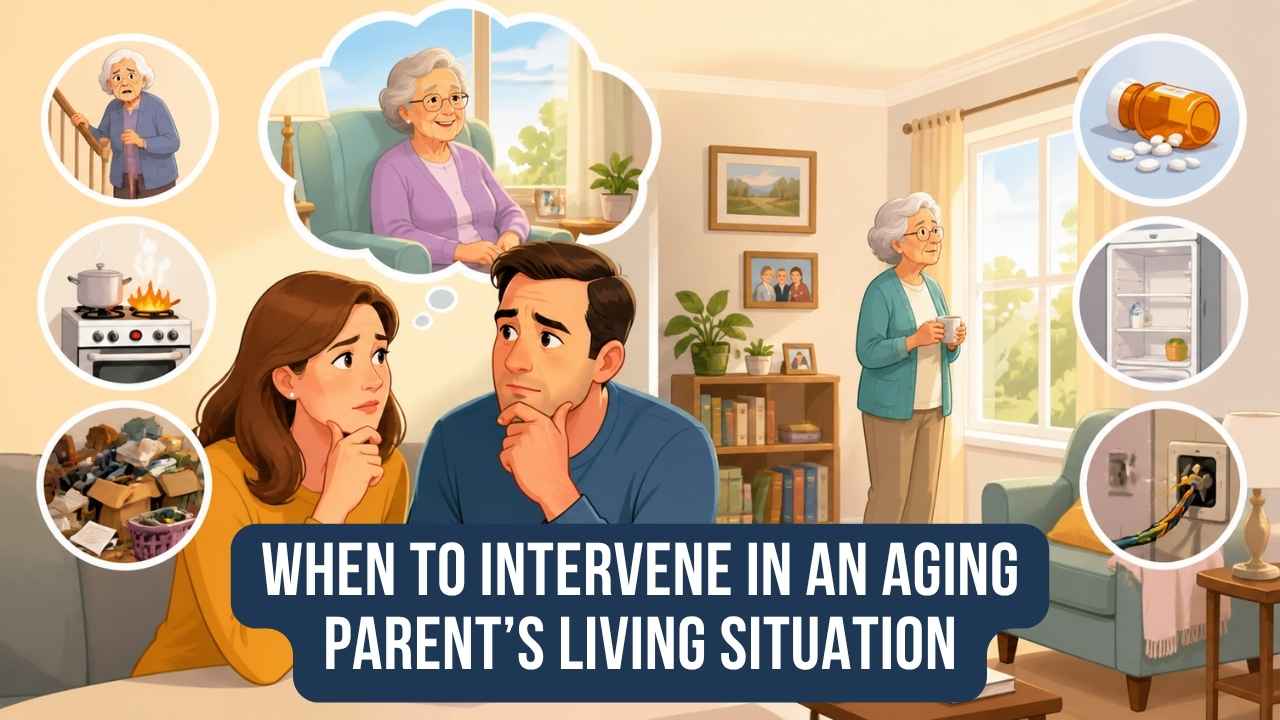

Caring for an aging parent often involves balancing respect for independence with real safety concerns. Intervening too early can strain relationships; waiting too long can lead to preventable harm. The key is recognizing objective warning signs and responding with structured, respectful solutions.
Below are 7 evidence-based indicators that it may be time to step in—along with practical next steps.
1. Frequent Falls or Unexplained Injuries


Why it matters: Falls are a leading cause of injury among older adults and often signal declining mobility, balance, or unsafe home conditions.
What to do:
- Schedule a medical evaluation for balance or neurological issues
- Install grab bars, improve lighting, remove loose rugs
- Consider a physical therapy referral
2. Noticeable Cognitive Decline or Confusion
![¿Qué es la Desorientación en Ancianos? [Guía Completa]](https://images.openai.com/static-rsc-4/AtwjCAofdsN5m8cQls2u--44ZF2rpGs5FbWnDeQein2_CbKXkvJIUkyx-Sq99Ap5yJ_lFBxM9usrQJEzS4SwcEh3hWYPXeD4tnQ1_H7tTM82Hc43BSuUkpAGEWU_1OeCUh6-hbFkIx9mgq8K4irBchLP9S6Q0QqbXJLi0D0yvh63NGpB1VMS-i2EB5Y2ncCq?purpose=fullsize)


Why it matters: Memory lapses—like leaving the stove on or getting lost—can quickly become life-threatening.
What to do:
- Seek assessment for conditions like Dementia or Alzheimer’s disease
- Simplify the home layout and label key areas
- Introduce medication management systems or supervision
3. Poor Personal Hygiene or Neglected Living Conditions


Why it matters: Declining hygiene or a deteriorating home environment can indicate physical limitations, depression, or cognitive decline.
What to do:
- Arrange in-home support or cleaning assistance
- Evaluate for underlying depression or mobility issues
- Start with small, non-invasive interventions
4. Missed Medications or Medical Appointments


Why it matters: Medication errors can lead to serious complications, hospitalizations, or worsening chronic conditions.
What to do:
- Use pill organizers or automated dispensers
- Set reminders via phones or smart devices
- Coordinate with healthcare providers for simplified regimens
5. Isolation, Depression, or Behavioral Changes


Why it matters: Social isolation is strongly associated with declining physical and mental health outcomes.
What to do:
- Encourage structured social activities or community engagement
- Explore senior centers or companion care
- Consult a professional if symptoms of depression persist
6. Financial Mismanagement or Unusual Spending


Why it matters: Cognitive decline can impair judgment, increasing vulnerability to scams or unpaid bills.
What to do:
- Monitor accounts or set up alerts
- Consider a trusted financial proxy or power of attorney
- Educate about common fraud risks
7. Unsafe Home Environment or Neglected Maintenance


Why it matters: Structural hazards can escalate quickly into serious injuries or emergencies.
What to do:
- Conduct a full home safety audit
- Address repairs immediately (lighting, stairs, wiring)
- Consider downsizing or transitioning to safer housing if risks persist
Final Thought
Intervening doesn’t mean taking control—it means creating a safer framework for independence. The earlier families act on objective warning signs, the more options remain available, from minor home modifications to supportive care planning.
Disclaimer
This article is for informational purposes only and does not constitute medical, legal, or financial advice. Decisions regarding a parent’s living situation should be made in consultation with qualified professionals, including licensed healthcare providers, legal advisors, and social workers. Individual circumstances vary, and professional evaluation is strongly recommended before making significant changes.
Download these helpful checklists to guide you through your buying and selling journey.

Home Buyer’s Checklist

Home Seller’s Checklist

Mistakes To Avoid

10 Body Changes After 60 Worth Discussing With Your Doctor
Download these helpful checklists to guide you through your buying and selling journey.Home Buyer's ChecklistHome Seller's ChecklistMistakes To Avoid
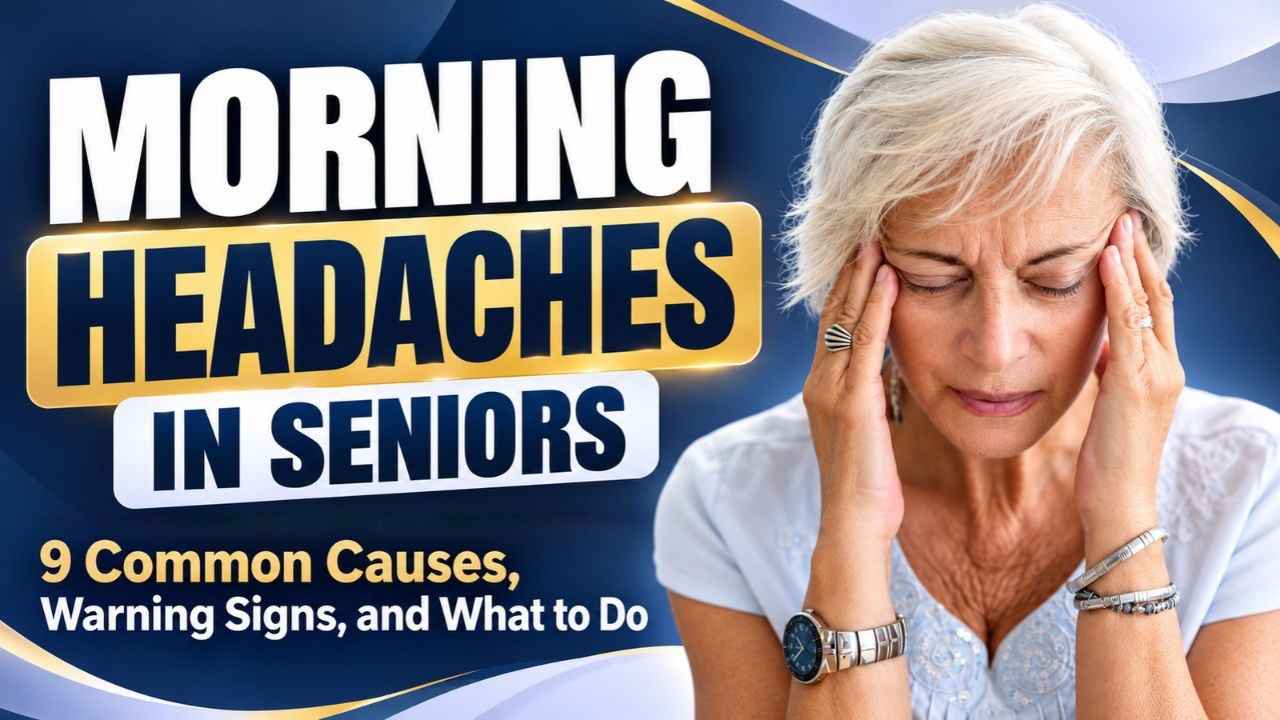
Morning Headaches in Seniors: 9 Causes, Warning Signs and What to Do
Download these helpful checklists to guide you through your buying and selling journey.Home Buyer's ChecklistHome Seller's ChecklistMistakes To Avoid
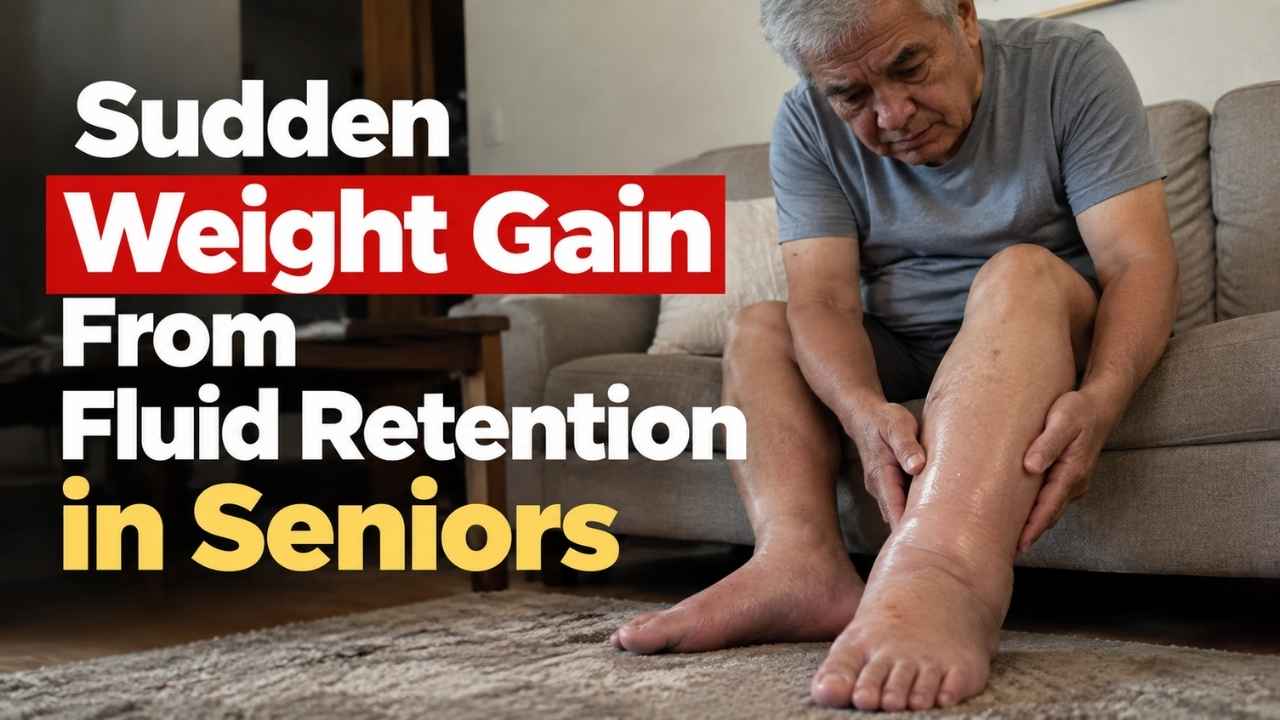
Sudden Weight Gain From Fluid Retention: Causes, Warning Signs & What to Do
Download these helpful checklists to guide you through your buying and selling journey.Home Buyer's ChecklistHome Seller's ChecklistMistakes To Avoid