
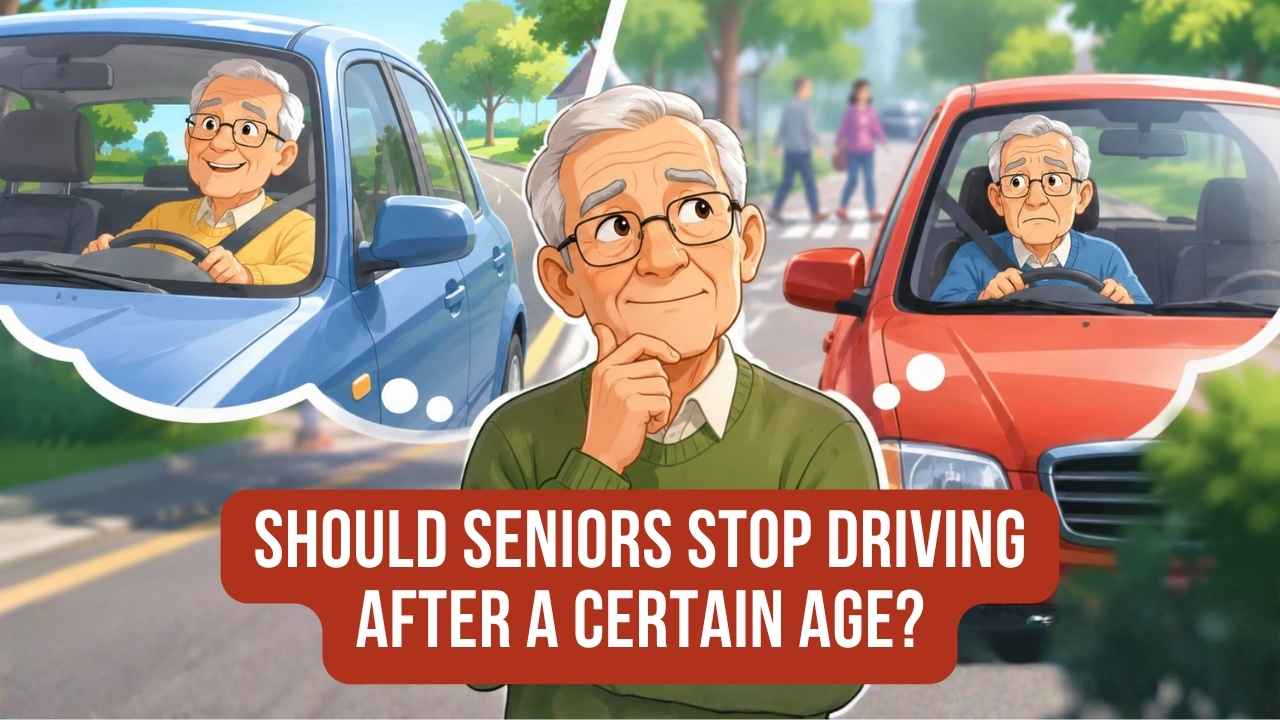

Driving represents freedom, independence, and confidence for many older adults. But as people age, physical and cognitive changes can affect driving ability. This raises a difficult but important question: should seniors stop driving after a certain age?
The answer is not based on age alone. Many seniors in their 70s, 80s, and even 90s still drive safely. However, certain health conditions and warning signs may increase risks on the road.
1. Age Alone Does Not Determine Driving Ability
Many older adults remain safe drivers because of years of experience, cautious habits, and defensive driving skills. According to safety experts, driving ability depends more on health and reaction time than age itself.
Some seniors naturally limit nighttime driving, avoid highways, or stay close to home to remain safe.

2. Certain Health Changes Can Affect Driving
Aging may bring slower reflexes, vision problems, hearing loss, arthritis, or memory concerns. Conditions such as dementia, Parkinson’s disease, stroke recovery, or medication side effects can make driving dangerous.
Warning signs may include:
- Frequent close calls
- Getting lost in familiar places
- Difficulty parking
- Delayed reaction times
- Increased traffic tickets or accidents

3. Families Often Face Emotional Conversations
Talking to a parent or grandparent about driving can be uncomfortable. Many seniors fear losing independence or becoming isolated.
Experts recommend approaching the conversation calmly and respectfully. Instead of focusing on age, focus on safety, health, and quality of life.
Helpful approaches include:
- Offering rides occasionally
- Exploring ride-share apps
- Using community transportation services
- Scheduling regular driving evaluations

4. There Are Safer Alternatives to Driving
Giving up driving does not always mean losing independence. Today, seniors have more transportation options than ever before.
Possible alternatives include:
- Ride-sharing services
- Senior transportation programs
- Grocery delivery services
- Public transportation
- Family ride schedules
- Walkable senior communities
Technology has also made staying connected easier through online shopping, telehealth, and video calls.

5. Regular Driving Assessments Can Help
Some experts support regular driving evaluations for seniors, especially after certain medical diagnoses. These assessments can identify risks early while helping safe drivers stay on the road longer.
Simple changes may improve safety:
- Avoiding night driving
- Wearing updated prescription glasses
- Taking refresher driving courses
- Using vehicles with modern safety features

Final Thoughts
There is no universal age when seniors should stop driving. The real issue is whether a person can continue driving safely and responsibly. Honest conversations, medical guidance, and practical alternatives can help older adults maintain independence while protecting themselves and others on the road.
For many families, the goal is not simply taking away car keys — it is preserving dignity, mobility, and quality of life.
Disclaimer
This article is for informational and educational purposes only and should not be considered medical, legal, or professional driving advice. Driving ability varies from person to person. Families should consult licensed healthcare providers, driving specialists, or local motor vehicle authorities regarding specific concerns about senior driving safety.

10 Body Changes After 60 Worth Discussing With Your Doctor
Download these helpful checklists to guide you through your buying and selling journey.Home Buyer's ChecklistHome Seller's ChecklistMistakes To Avoid
Morning Headaches in Seniors: 9 Causes, Warning Signs and What to Do
Download these helpful checklists to guide you through your buying and selling journey.Home Buyer's ChecklistHome Seller's ChecklistMistakes To Avoid

Sudden Weight Gain From Fluid Retention: Causes, Warning Signs & What to Do
Download these helpful checklists to guide you through your buying and selling journey.Home Buyer's ChecklistHome Seller's ChecklistMistakes To Avoid
Download these helpful checklists to guide you through your buying and selling journey.

Home Buyer’s Checklist

Home Seller’s Checklist

Mistakes To Avoid