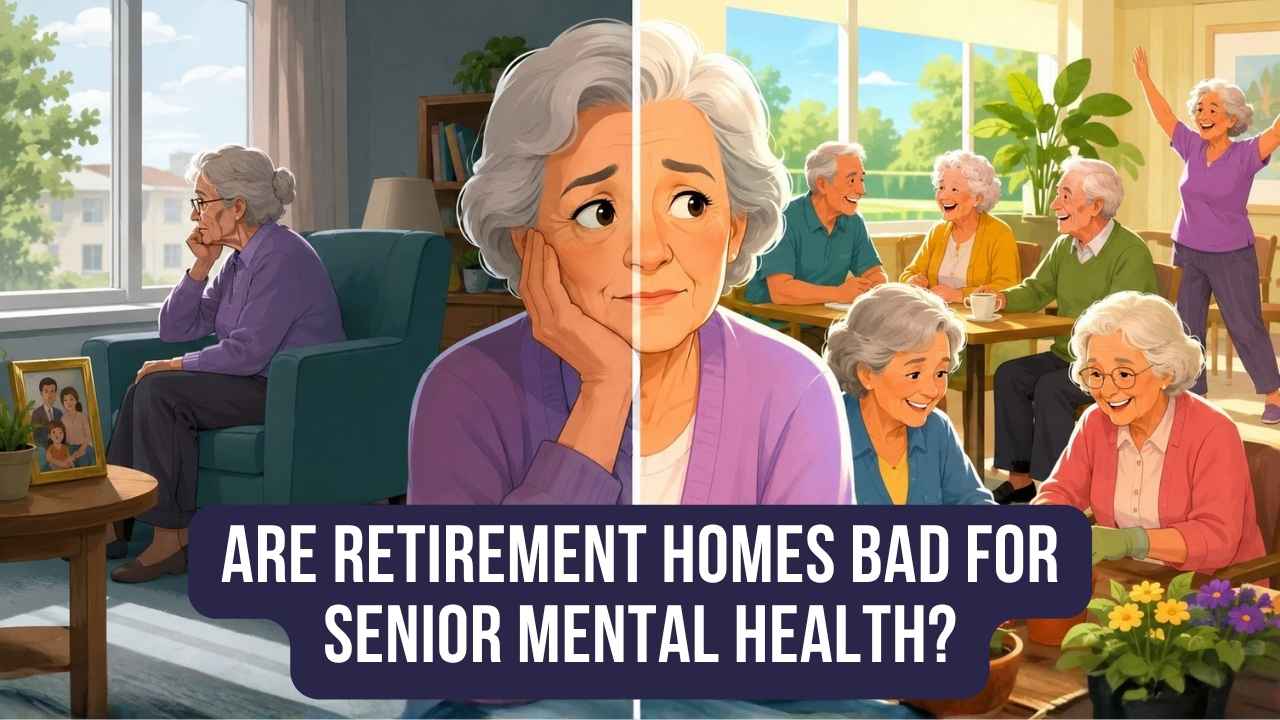

For many families, moving an aging loved one into a retirement home can be one of the hardest decisions they ever make. While retirement communities and assisted living facilities can provide safety, medical support, and social opportunities, some seniors may also experience emotional struggles after the transition.
The truth is: retirement homes are not automatically harmful — but emotional challenges can happen depending on the environment, level of support, and the senior’s personal situation.
1. Loss of Independence Can Trigger Emotional Distress
One of the biggest emotional challenges seniors face is the feeling of losing control over their lives. Moving from a longtime family home into a smaller room or shared community can create feelings of sadness, frustration, or helplessness.
Many seniors associate independence with dignity. When daily routines suddenly change, it can affect self-esteem and emotional health.

Helpful Solution
Families can help seniors feel more involved by allowing them to make choices about decorations, schedules, activities, and even meal preferences whenever possible.
2. Social Isolation Can Still Happen in Retirement Homes
Many people assume retirement homes automatically solve loneliness. However, some seniors may still feel emotionally isolated even when surrounded by others.
Health conditions, hearing problems, mobility limitations, or personality differences can make socializing difficult. Some seniors may struggle to form new friendships after leaving familiar neighborhoods and routines.

Helpful Solution
Regular family visits, video calls, music therapy, hobby groups, and community events can significantly improve emotional well-being.
3. Some Retirement Homes Improve Mental Health
Not all experiences are negative. In fact, many seniors thrive emotionally in supportive retirement communities.
For older adults who previously lived alone, retirement homes may provide companionship, structure, safety, and reduced stress. Some facilities also offer fitness classes, wellness programs, transportation, and social events that improve quality of life.

Helpful Solution
Choosing the right facility matters. Families should look for retirement communities that encourage social engagement, independence, and emotional support — not just medical care.
4. Emotional Health Should Be Monitored Closely
Depression and anxiety among older adults are often overlooked. Warning signs may include:
- Withdrawal from activities
- Changes in appetite
- Sleeping too much or too little
- Increased confusion
- Loss of interest in hobbies
Early emotional support can make a major difference.

Helpful Solution
Open communication between seniors, caregivers, doctors, and family members is essential for identifying emotional concerns early.
Final Thoughts
Retirement homes are not emotionally harmful by default, but emotional adjustment is very real for many seniors. The experience depends heavily on the quality of care, social opportunities, family involvement, and the senior’s personal needs.
A supportive environment can improve safety, reduce loneliness, and even enhance happiness later in life. However, emotional well-being should always be treated as seriously as physical health.
Disclaimer
This article is for informational and educational purposes only and should not be considered medical, psychological, or legal advice. Emotional and mental health experiences vary from person to person. Families should consult qualified healthcare professionals, mental health specialists, or elder care experts when making decisions regarding retirement homes or assisted living arrangements.

10 Body Changes After 60 Worth Discussing With Your Doctor
Download these helpful checklists to guide you through your buying and selling journey.Home Buyer's ChecklistHome Seller's ChecklistMistakes To Avoid
Morning Headaches in Seniors: 9 Causes, Warning Signs and What to Do
Download these helpful checklists to guide you through your buying and selling journey.Home Buyer's ChecklistHome Seller's ChecklistMistakes To Avoid
Sudden Weight Gain From Fluid Retention: Causes, Warning Signs & What to Do
Download these helpful checklists to guide you through your buying and selling journey.Home Buyer's ChecklistHome Seller's ChecklistMistakes To Avoid
Download these helpful checklists to guide you through your buying and selling journey.

Home Buyer’s Checklist

Home Seller’s Checklist

Mistakes To Avoid