
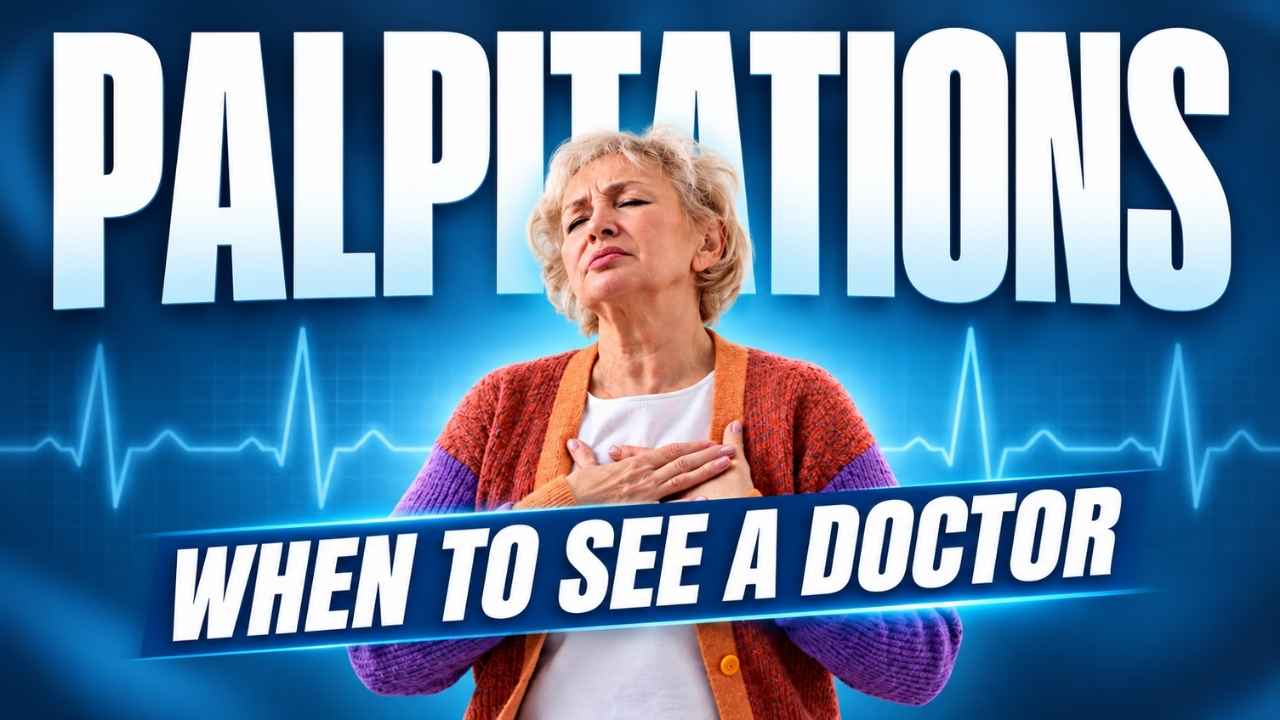

Have you ever felt your heart suddenly flip, flutter, race, or slam against your chest like it skipped a beat? Maybe it happened while you were lying in bed at night, sipping your third cup of coffee, or in the middle of a stressful meeting. Your mind immediately jumps to the worst case scenario. Is something wrong with your heart?
Take a breath. In most cases, what you're feeling is a heart palpitation, and it is far more common (and far less scary) than it feels in the moment. Let's break down what's actually happening inside your chest, why it happens, and the specific signs that tell you it's time to stop guessing and see a doctor.
What Exactly Is a Heart Palpitation?
Think of a heart palpitation as your heart briefly "announcing itself." Normally, your heart beats around 60 to 100 times a minute without you ever noticing. A palpitation is simply a moment where you suddenly become aware of your heartbeat, and it may feel like your heart is:
- Pounding or thudding heavily in your chest
- Racing, like it's suddenly sprinting
- Fluttering, like a butterfly trapped inside your ribcage
- Skipping a beat or doing a little flip-flop
- Beating irregularly, out of its normal rhythm
You might feel this in your chest, but it can also show up as a strange sensation in your neck or throat. It can happen while you're active or even while you're sitting perfectly still.
Why Does This Happen? Common Causes of Heart Palpitations
Here's the reassuring part: doctors often can't even pinpoint an exact cause, because palpitations are frequently your body's normal reaction to something simple. The most common triggers include:
Stress, anxiety, and strong emotions
A jolt of adrenaline from a panic attack, an argument, or even excitement can make your heart pound. This is one of the single biggest causes of palpitations, and it's directly tied to how anxiety physically affects the body.
Stimulants
Caffeine, nicotine, energy drinks, certain cold medicines with decongestants, and recreational drugs like cocaine or amphetamines can all rev up your heart rate.
Hormonal shifts
Many women notice palpitations around their menstrual cycle, during pregnancy, or through menopause, thanks to fluctuating hormone levels.
Thyroid problems
An overactive thyroid (hyperthyroidism) speeds up nearly everything in your body, including your heart rate.
Fever and dehydration
When your body is fighting an infection or running low on fluids, your heart has to work harder and faster to keep up.
Low blood sugar or electrolyte imbalances
Skipping meals or having low potassium or magnesium levels can throw off your heart's electrical signals.
Strenuous exercise
A racing heart after a hard workout is completely normal; it's your heart doing exactly what it's supposed to do.
Medications
Certain asthma inhalers, blood pressure medications, and antidepressants can list palpitations as a side effect.
In rare cases, palpitations point to something more serious called an arrhythmia, which simply means an irregular heart rhythm. This includes conditions like atrial fibrillation (often called AFib), where the heart's upper chambers quiver instead of beating properly, or a fast heartbeat called tachycardia. This is why persistent or worsening palpitations deserve a proper medical evaluation rather than a guess.
When Should You Actually Worry?
Here's the simple rule of thumb: a palpitation that lasts a few seconds and goes away on its own, especially after coffee or a stressful moment, usually isn't an emergency.
However, you should call your doctor if:
- Palpitations are happening more often or lasting longer than usual
- You have a personal or family history of heart disease
- They seem to be getting worse over time
You should seek emergency care immediately (call your local emergency number) if palpitations happen along with:
- Chest pain or tightness
- Fainting or feeling like you're about to pass out
- Severe shortness of breath
- Intense dizziness or lightheadedness
- Unusual, cold sweating
If any of those symptoms show up together, don't wait it out. Get checked immediately.
How Doctors Figure Out What's Going On
If you bring up palpitations at an appointment, don't be surprised if your doctor asks very specific questions: When do they happen? How long do they last? Does anything trigger them? This detective work matters, because "palpitations" is really just an umbrella term for many different underlying rhythms.
To get a clearer picture, your doctor may recommend:
An electrocardiogram (EKG or ECG)
A quick, painless test that records your heart's electrical activity.
A Holter monitor or wearable heart monitor
Worn for a day or more to catch episodes that come and go.
Blood tests
To check your thyroid function, blood sugar, and electrolyte levels.
An echocardiogram
An ultrasound that looks at your heart's structure and how well it's pumping.
📝 Helpful tip: Keeping a simple log of when your palpitations happen, how long they last, and what you were doing beforehand can be incredibly helpful for your doctor and can speed up getting an answer.
Practical Ways to Calm a Fluttering Heart
If your doctor has ruled out anything serious, there's a lot you can do on your own to reduce how often palpitations happen:
Cut back on stimulants
Try reducing your caffeine and nicotine intake gradually and see if your symptoms improve.
Manage your stress
Deep breathing exercises, meditation, yoga, or simply stepping outside for a walk can lower the adrenaline that triggers palpitations.
Stay hydrated and eat regularly
Don't skip meals, and drink enough water throughout the day, especially in hot weather or after exercise.
Watch your alcohol intake
Alcohol, especially in larger amounts, is a well-known palpitation trigger for many people.
Get enough sleep
Poor sleep and exhaustion make your nervous system more reactive, which can bring on palpitations, especially at night when you're finally lying still and paying attention to your body.
Move your body regularly
Regular, moderate exercise (cleared by your doctor) actually strengthens your heart and can reduce palpitation frequency over time.
Know your triggers
If you notice a pattern, like palpitations after a particular food, drink, or medication, that's valuable information to bring to your next appointment.
The Bottom Line
Feeling your heart flutter or pound out of nowhere is unsettling, but in the vast majority of cases, it is your body's normal response to stress, stimulants, hormones, or simple everyday triggers. That said, your heart is not something to guess about. If your palpitations are frequent, worsening, or paired with chest pain, fainting, or severe shortness of breath, don't try to self-diagnose. A conversation with your doctor and a simple test or two can give you real answers and real peace of mind.
📚 Trusted Sources Behind This Guide
💛 A Caring Note Before You Go
Disclaimer: This article is for general educational and informational purposes only and is not intended to be, and should not be taken as, medical advice. It is not a substitute for professional medical diagnosis, treatment, or consultation. Always seek the advice of a qualified physician or other licensed healthcare provider with any questions you may have regarding a medical condition, including heart palpitations. Never disregard professional medical advice or delay seeking it because of something you have read here. If you believe you may be experiencing a medical emergency, call your local emergency number or go to the nearest emergency room immediately. Reliance on any information provided in this article is solely at your own risk.
Disclaimer: This article is for general educational and informational purposes only and is not intended to be, and should not be taken as, medical advice. It is not a substitute for professional medical diagnosis, treatment, or consultation. Always seek the advice of a qualified physician or other licensed healthcare provider with any questions you may have regarding a medical condition, including heart palpitations. Never disregard professional medical advice or delay seeking it because of something you have read here. If you believe you may be experiencing a medical emergency, call your local emergency number or go to the nearest emergency room immediately. Reliance on any information provided in this article is solely at your own risk.
Ready for Your Next Move?
Whether you're planning to buy, sell, or simply exploring your options, fill out the form below. Tell us a little about what you're looking for, and we'll help connect you with the right real estate professional.
David Reis, MD
New York, New York 10036
Tell Us About Your Move
Complete the short form and we'll be in touch.
Download these helpful checklists to guide you through your buying and selling journey.

Home Buyer’s Checklist

Home Seller’s Checklist
Mistakes To Avoid