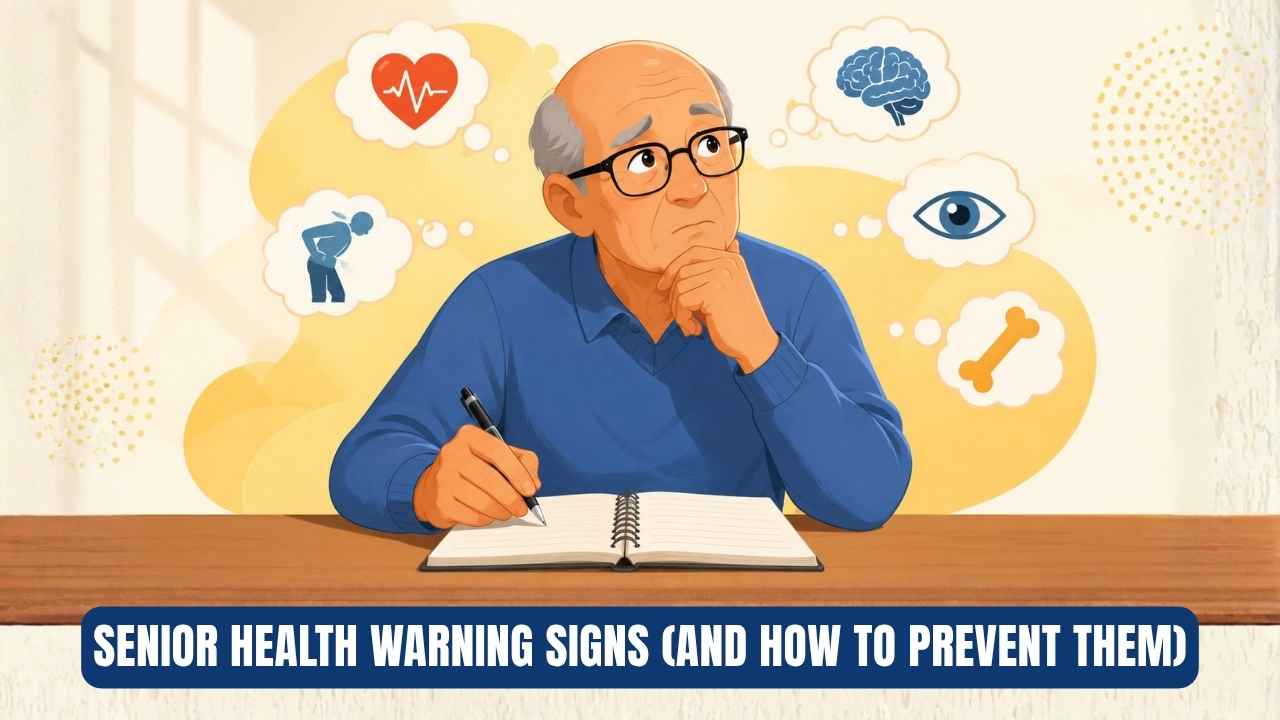

Golden Years, Guarded Health: The Senior Illnesses to Watch For — and How to Stay Ahead of Them
Let’s be honest — nobody wants to think about getting older. But here’s the thing: the more you know about what could happen, the more power you have to stop it before it starts. That’s really what this guide is about. Not scaring you, but arming you (or the parent, grandparent, or spouse you’re caring for) with the kind of knowledge that turns “I wish I’d caught that sooner” into “good thing we caught that early.”
Aging isn’t a countdown to illness. It’s a stage of life with its own rulebook — and once you know the rules, you can play the game a lot smarter. So let’s walk through the common health problems in elderly adults, the early warning signs that are easy to miss, and the prevention habits that actually make a difference.
Why Senior Health Deserves Extra Attention
As we age, the body’s ability to bounce back — from infections, injuries, even everyday stress — naturally slows down. That doesn’t mean decline is inevitable. It means early detection and prevention become the two most powerful tools a senior (or their caregiver) has. Many of the conditions below develop quietly, with subtle signs that are often brushed off as “just getting older.” That mindset is exactly what we want to change.
1. Heart Disease: The Leading Health Threat for Seniors

Heart disease remains the top cause of death among older adults, and it often develops silently over years before symptoms show up.
Watch for:
- Shortness of breath during light activity
- Swelling in the ankles or feet
- Fatigue that doesn’t match your activity level
- Chest tightness or discomfort
Prevention that works:
- Keep blood pressure and cholesterol in check with regular screenings
- Aim for at least 30 minutes of moderate movement most days — walking counts
- Cut back on sodium and processed foods
- Don’t skip your annual physical, even if you “feel fine”
2. Cognitive Decline and Dementia

Some forgetfulness is a normal part of aging, but there’s a real difference between misplacing your keys and forgetting how to get home from the grocery store you’ve shopped at for 20 years.
Watch for:
- Repeating questions or stories within a short time span
- Getting lost in familiar places
- Difficulty following conversations or finding the right words
- Withdrawing from hobbies or social activities
Prevention that works:
- Stay mentally active — puzzles, reading, learning a new skill
- Prioritize sleep and manage stress
- Stay socially connected; isolation is a major risk factor
- Manage cardiovascular health, since heart and brain health are closely linked
3. Osteoporosis and Bone Health

Bones naturally lose density with age, and osteoporosis often goes undiagnosed until a fracture happens.
Watch for:
- Back pain from a compressed or fractured vertebra
- Loss of height over time
- A stooped posture
- A bone that breaks more easily than expected
Prevention that works:
- Get enough calcium and vitamin D
- Weight-bearing exercise (walking, light resistance training) builds bone strength
- Ask your doctor about a bone density screening
- Limit alcohol and avoid smoking
4. Falls and Balance Issues

Falls are the leading cause of injury among older adults — and one fall can trigger a cascade of complications, from fractures to a lasting fear of moving around.
Watch for:
- Dizziness when standing up
- Unsteady gait or shuffling
- Vision changes
- Multiple medications that could interact and cause drowsiness
Prevention that works:
- Remove trip hazards at home (loose rugs, clutter, poor lighting)
- Install grab bars in bathrooms
- Review medications with a doctor or pharmacist regularly
- Try balance-focused exercise like tai chi
5. Type 2 Diabetes

Roughly a third of adults 65 and older live with diabetes, and it’s often missed because early symptoms are vague.
Watch for:
- Increased thirst or frequent urination
- Unexplained fatigue
- Slow-healing cuts or wounds
- Blurry vision
Prevention that works:
- Maintain a balanced diet low in refined sugar
- Regular physical activity improves insulin sensitivity
- Routine blood sugar screenings, especially with a family history
- Maintain a healthy weight
6. Respiratory Illness (COPD, Pneumonia, Flu)
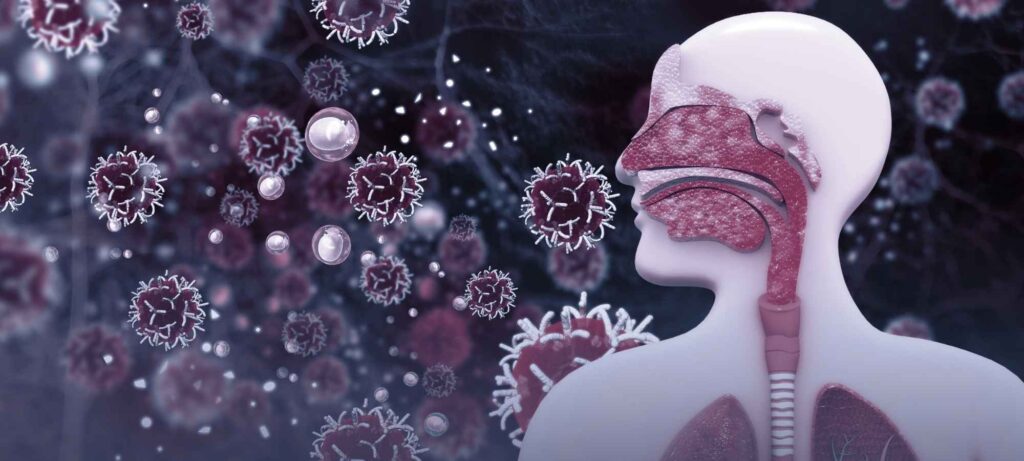
Aging lungs are more vulnerable to infection, and conditions like COPD develop gradually, often mistaken for normal breathlessness.
Watch for:
- Persistent cough or wheezing
- Shortness of breath during simple tasks
- Frequent respiratory infections
- Chest tightness
Prevention that works:
- Get annual flu shots and recommended vaccines (pneumonia, COVID-19, shingles)
- Avoid smoking and secondhand smoke
- Practice good hand hygiene, especially during cold and flu season
- Don’t ignore a cough that lingers more than a few weeks
7. Depression and Mental Health Decline

This one is easy to overlook because it doesn’t show up on a blood test — but depression in seniors is common, often tied to isolation, loss, or chronic illness, and it’s very treatable.
Watch for:
- Persistent sadness or a flat mood
- Loss of interest in activities once enjoyed
- Changes in appetite or sleep
- Trouble concentrating or making decisions
Prevention that works:
- Encourage regular social contact — visits, calls, community groups
- Physical activity supports mood as much as it supports the body
- Don’t dismiss mood changes as “just aging” — talk to a doctor
- Purpose and routine matter: hobbies, volunteering, and connection all help
8. Cancer Risk

Cancer risk increases with age, but so does the effectiveness of catching it early through screening.
Watch for:
- Unexplained weight loss
- Unusual lumps, bleeding, or persistent pain
- Changes in bowel or bladder habits
- Fatigue that doesn’t improve with rest
Prevention that works:
- Stay current on recommended screenings (colonoscopy, mammogram, prostate exam, skin checks)
- Maintain a healthy diet rich in fruits, vegetables, and fiber
- Avoid tobacco and limit alcohol
- Don’t delay a doctor’s visit over a symptom “that’s probably nothing”
The Bigger Picture: Prevention Is a Daily Habit, Not a One-Time Fix
If there’s one thread running through everything above, it’s this: early detection saves lives, and small daily habits build real protection. Regular checkups, movement, good nutrition, social connection, and simply paying attention to what’s normal versus what’s new are the most powerful tools seniors and caregivers have.
Aging well isn’t about avoiding every risk — it’s about staying informed, staying proactive, and not brushing off changes as “just part of getting older.” Because often, they’re not. They’re signals. And signals are worth listening to.
A Quick Checklist for Seniors and Caregivers
- ✅ Schedule annual physicals and age-appropriate screenings
- ✅ Track any new or unusual symptoms — don’t wait them out
- ✅ Review medications with a doctor or pharmacist yearly
- ✅ Stay physically active in a way that fits your ability
- ✅ Prioritize sleep, nutrition, and social connection
- ✅ Fall-proof the home environment
- ✅ Keep vaccinations up to date
Disclaimer
This article is for general informational and educational purposes only and is not intended as, and should not be substituted for, professional medical advice, diagnosis, or treatment. Always seek the guidance of a qualified physician or other healthcare provider with any questions you may have regarding a medical condition, symptom, or treatment, and before making any changes to diet, exercise, medication, or lifestyle. Never disregard professional medical advice or delay seeking it because of something you have read in this article. If you or a loved one is experiencing a medical emergency, call your local emergency services immediately.

10 Body Changes After 60 Worth Discussing With Your Doctor
Download these helpful checklists to guide you through your buying and selling journey.Home Buyer's ChecklistHome Seller's ChecklistMistakes To Avoid
Morning Headaches in Seniors: 9 Causes, Warning Signs and What to Do
Download these helpful checklists to guide you through your buying and selling journey.Home Buyer's ChecklistHome Seller's ChecklistMistakes To Avoid
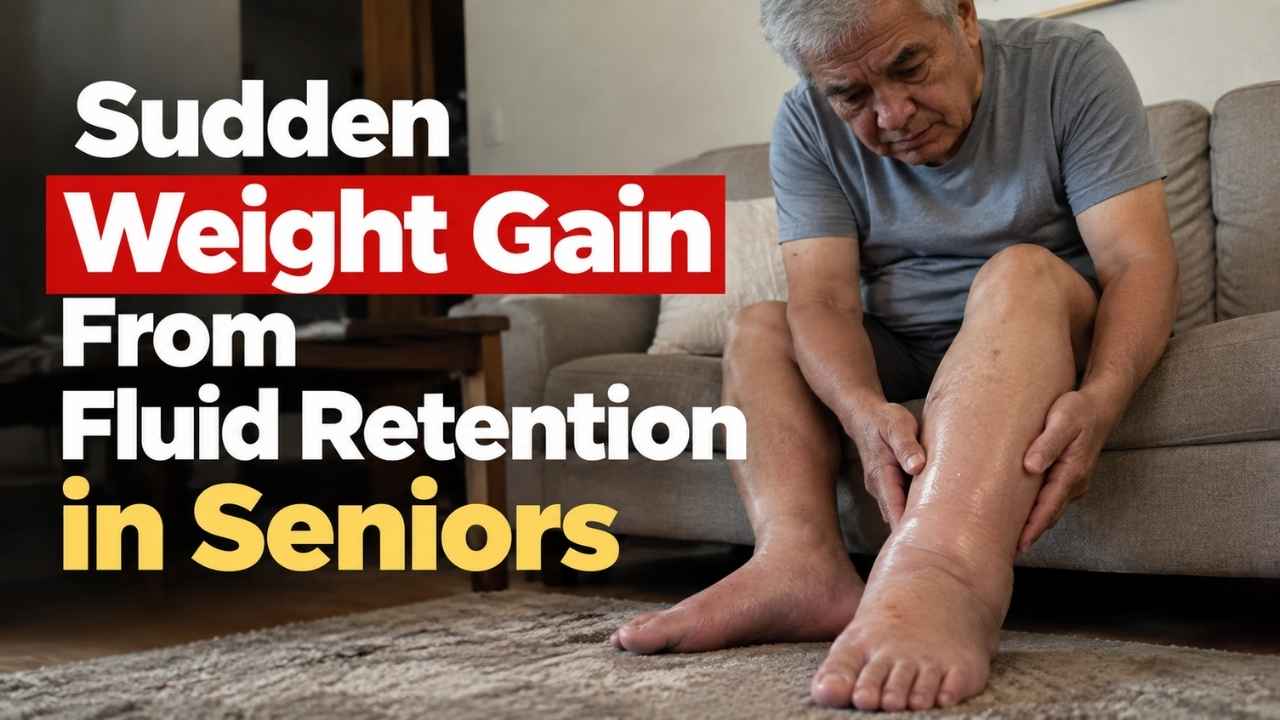
Sudden Weight Gain From Fluid Retention: Causes, Warning Signs & What to Do
Download these helpful checklists to guide you through your buying and selling journey.Home Buyer's ChecklistHome Seller's ChecklistMistakes To Avoid
Download these helpful checklists to guide you through your buying and selling journey.

Home Buyer’s Checklist

Home Seller’s Checklist

Mistakes To Avoid