
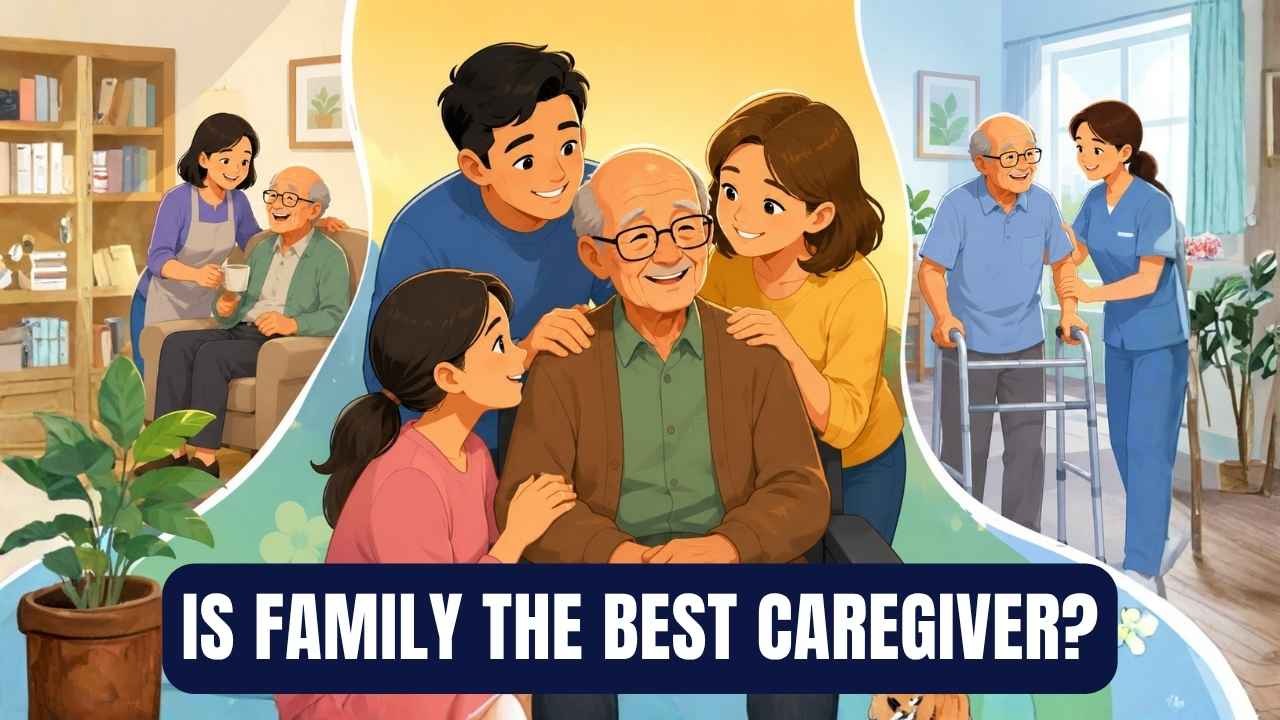
Caring for an aging parent or loved one is one of the most meaningful responsibilities a family can take on. Many people assume that family members automatically make the best caregivers, but the reality is far more complex.
Love is important—but effective caregiving also requires time, physical ability, emotional resilience, financial stability, and sometimes professional training.
The best caregiver isn’t always the closest relative. It’s the person—or team—who can consistently provide safe, compassionate, and appropriate care.
Here are some important factors to consider.
1. Family Knows the Senior Best


Family members understand a loved one’s:
- Daily habits
- Favorite foods
- Personality
- Medical history
- Emotional needs
This familiarity often helps seniors feel more comfortable, especially when living with dementia or memory loss.
Example:
An elderly father with memory problems may become anxious around unfamiliar caregivers but remain calm when his daughter helps him with meals and medications.
Solution
Create a written daily routine so every caregiver—family or professional—provides consistent care.
2. Love Doesn’t Prevent Caregiver Burnout


Family caregivers frequently juggle:
- Full-time jobs
- Raising children
- Household responsibilities
- Medical appointments
Over time, stress can become overwhelming.
Research consistently shows family caregivers experience higher rates of anxiety, depression, sleep problems, and chronic stress.
Example:
A son spends every evening caring for his mother after working ten-hour shifts. Within months, his own health begins to decline.
Solution
- Share caregiving responsibilities.
- Accept help from relatives.
- Schedule regular breaks.
- Consider respite care.
Remember: a healthy caregiver provides better care.
3. Some Medical Needs Require Professionals


Not every caregiving task can safely be handled by family.
Some seniors require:
- Wound care
- Medication management
- Physical therapy
- Dementia care
- Mobility assistance
- Chronic disease monitoring
Professional caregivers receive specialized training that many family members do not.
Example
An elderly woman recovering from surgery may require wound dressing changes that should be performed by a trained healthcare professional.
Solution
Combine family support with professional home health services when medical needs become more complex.
4. Seniors Also Need Independence


Good caregiving isn’t doing everything for someone.
It’s helping them remain as independent as safely possible.
Encouraging independence helps preserve:
- Confidence
- Physical strength
- Mental health
- Self-esteem
Example
Instead of dressing an older adult completely, encourage them to do the parts they can safely manage.
Solution
Offer assistance only where needed while allowing seniors to stay involved in everyday activities.
5. Communication Matters More Than Who Provides Care


Many caregiving conflicts happen because families never discuss expectations.
Questions every family should answer include:
- Who handles appointments?
- Who manages finances?
- Who provides transportation?
- What happens during emergencies?
- When should professional help be added?
Example
Three siblings assume someone else is taking Dad to his medical appointments—until one is missed.
Solution
Hold regular family meetings and create a shared caregiving plan.
The Bottom Line
The best caregiver isn’t determined by blood relation alone.
The best caregiver is someone who can consistently provide:
- Compassion
- Safety
- Reliability
- Patience
- Appropriate medical support
- Respect for the senior’s independence
For many families, the ideal solution is a combination of family involvement and professional care.
As care needs change over time, the caregiving plan should evolve too.
Providing excellent care isn’t about doing everything yourself—it’s about ensuring your loved one receives the support they truly need.
Disclaimer
This article is intended for informational and educational purposes only and should not be considered medical, legal, financial, or professional caregiving advice. Every senior has unique health, cognitive, and personal care needs. Always consult qualified healthcare providers, licensed home care professionals, elder law attorneys, or financial advisors before making decisions regarding caregiving, medical treatment, housing, or long-term care. Individual circumstances may vary.

10 Body Changes After 60 Worth Discussing With Your Doctor
Download these helpful checklists to guide you through your buying and selling journey.Home Buyer's ChecklistHome Seller's ChecklistMistakes To Avoid
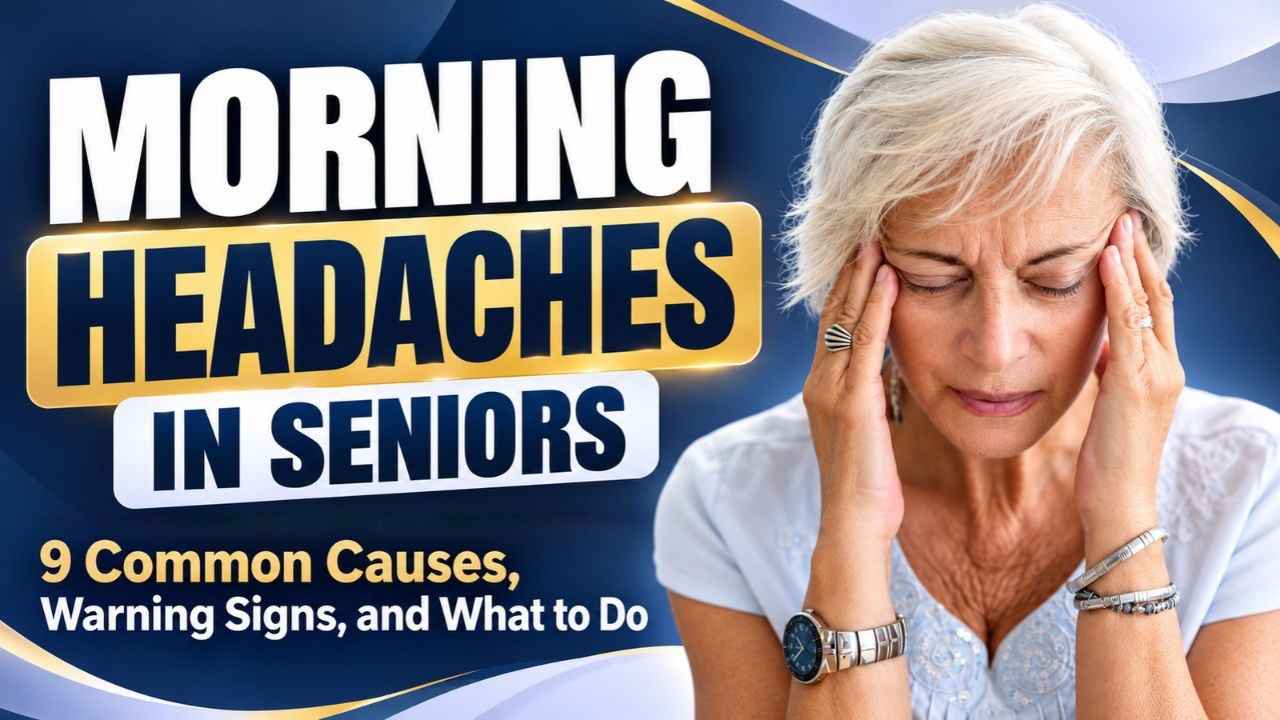
Morning Headaches in Seniors: 9 Causes, Warning Signs and What to Do
Download these helpful checklists to guide you through your buying and selling journey.Home Buyer's ChecklistHome Seller's ChecklistMistakes To Avoid
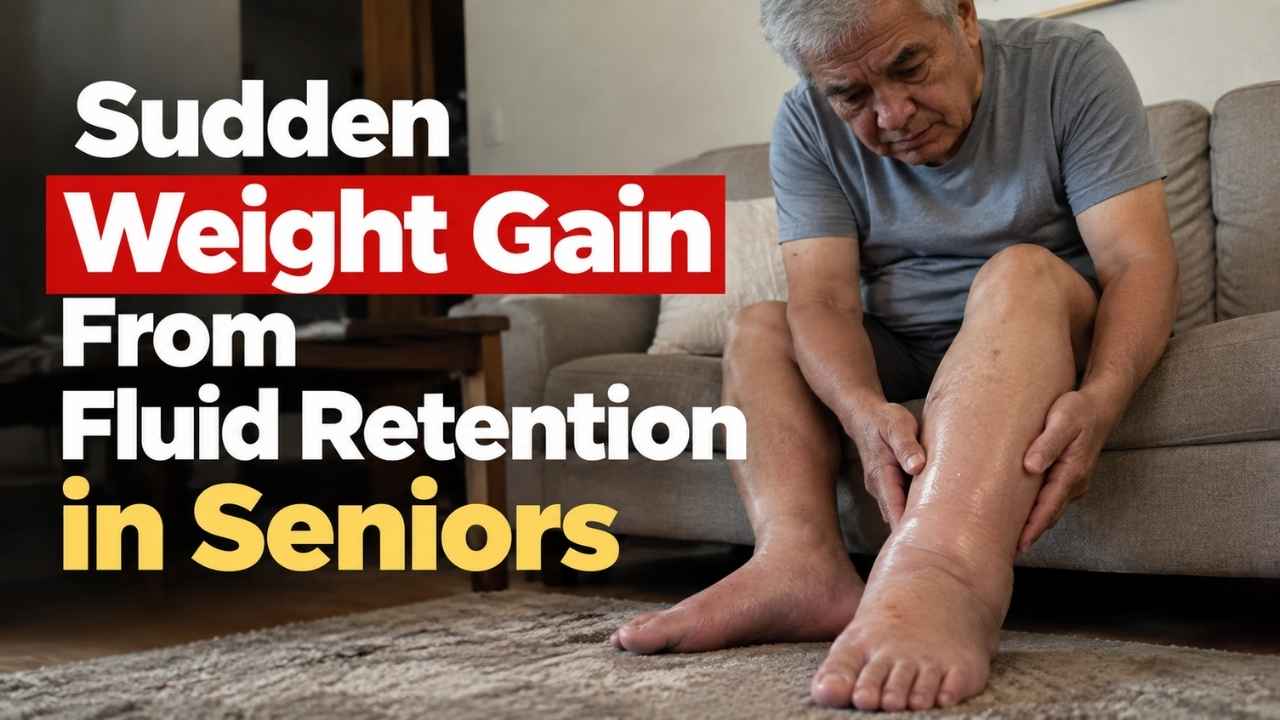
Sudden Weight Gain From Fluid Retention: Causes, Warning Signs & What to Do
Download these helpful checklists to guide you through your buying and selling journey.Home Buyer's ChecklistHome Seller's ChecklistMistakes To Avoid
Download these helpful checklists to guide you through your buying and selling journey.

Home Buyer’s Checklist

Home Seller’s Checklist

Mistakes To Avoid