
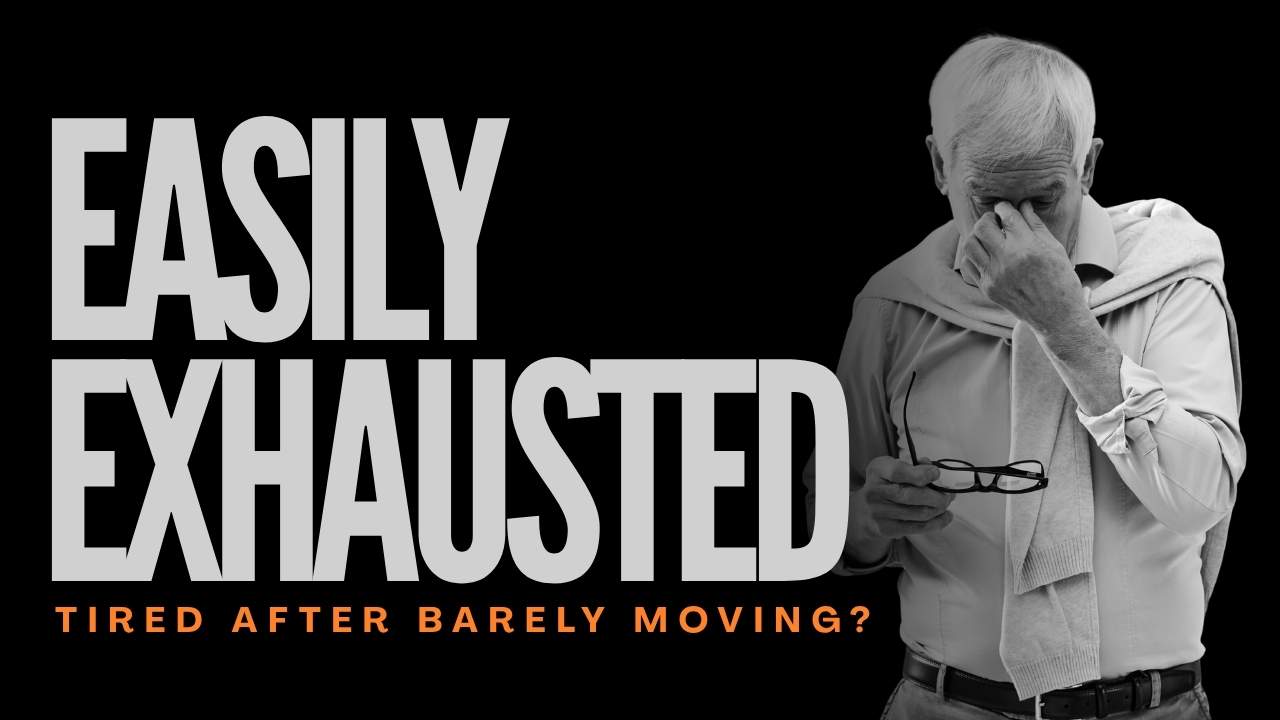

Folding laundry. Walking to the mailbox. Climbing one flight of stairs. If tasks like these used to be no big deal and now leave you (or someone you love) completely drained, you're not imagining it — and you're definitely not alone.
A lot of families brush this off as "just getting older." Sometimes that's true. But fatigue after minor exertion in seniors can also be one of the earliest, quietest signals that something in the body needs attention. The tricky part is telling the difference between normal, everyday tiredness and fatigue that deserves a closer look.
Let's walk through both, in plain language, so you know what's typical, what's not, and when it's actually time to make that doctor's appointment.
What Counts as "Normal" Tiredness With Age
Some slowdown really is a natural part of aging. Muscle mass declines, the heart and lungs don't pump and process oxygen as efficiently as they once did, and recovery from any kind of exertion — physical or mental — simply takes longer. This kind of reduced capacity for physical exercise compared to what's normally expected for a person's age, size, and body type has a clinical name: exercise intolerance, and mild versions of it are common in later life.
Normal, age-related fatigue tends to:
- Show up gradually, over months or years — not suddenly
- Improve with rest
- Stay proportional to the effort (a long walk tires you more than a short one)
- Come without other symptoms like chest pain, dizziness, or shortness of breath
If that sounds like what you're experiencing, it's still worth mentioning at your next checkup — but it's not necessarily an emergency.
When Fatigue After Minor Exertion Is a Red Flag
Here's where it gets more important to pay attention. A drop in how long or how intensely someone can exercise compared to before is considered a significant early warning sign of possible heart trouble.
"Could you do this same activity easily last year — and now you can't?" The question doctors ask most
That question matters because narrowed arteries reduce the amount of oxygen-rich blood reaching the heart, and this shows up most clearly when the heart has to work harder, like during physical activity. In other words, the body's response to small amounts of exertion can reveal problems long before anything shows up on a routine test.
Exercise intolerance is more common in:
- Older adults
- People with chronic illnesses such as heart disease or diabetes
- Those with respiratory conditions like asthma or COPD
- People who suddenly increase their activity level after being sedentary
Common, Treatable Causes of Unusual Fatigue
The reassuring news is that unexplained fatigue in older adults is often traceable to something manageable. Persistent fatigue after age 65 is not simply a normal part of aging. It frequently points to treatable issues such as anemia, thyroid disorders, heart or lung conditions, sleep disorders, medication side effects, mood conditions, nutrition or hydration gaps, or an underlying chronic disease.
Other everyday culprits include:
Dehydration
Thirst signals weaken with age, so it sneaks up quietly.
Medication Changes
A new prescription or an adjusted dose can drain energy fast.
Poor Sleep Quality
Including undiagnosed sleep apnea — hours in bed don't always equal rest.
Depression or Anxiety
Mood conditions physically drain energy, not just mentally.
Nutrient Gaps
Low iron, low vitamin D, or thyroid imbalances — all caught on a simple blood test.

Warning Signs That Mean "Don't Wait — Call Today"
Some symptoms alongside fatigue mean it's time to act, not wait it out. Seek medical care right away if fatigue after light activity comes with any of the following:
- Chest pain, pressure, or tightness
- New or worsening shortness of breath
- Dizziness, fainting, or feeling like you might pass out
- A racing, irregular, or pounding heartbeat
- Sudden confusion or trouble speaking
- Swelling in the legs, ankles, or abdomen
- Blood in stool or vomit
Older adults with fatigue accompanied by a new or unusual headache or vision loss — or any other serious symptoms — should see a doctor immediately. And here's an important point many people miss: even without any other symptoms at all, older adults experiencing fatigue are generally advised to see their doctor as soon as possible, simply because the threshold for concern is lower with age.
How Long Is Too Long?
Doctors often think about fatigue in terms of how long it's stuck around:
Generally, fatigue that lasts longer than a week or two — or that has no obvious explanation — is worth having evaluated rather than waiting it out indefinitely.
A helpful gauge for you or a caregiver: if fatigue after minor exertion is new, is getting worse over a matter of days or weeks, or doesn't match up with how much effort was actually involved, that's a pattern worth bringing to a doctor rather than watching quietly.
What Will Happen at the Doctor's Visit
If you do book that appointment, it usually starts simply. The doctor will typically begin by asking detailed questions about your symptoms and medical history, then may order bloodwork to check things like blood counts, thyroid function, iron levels, and kidney or liver function — along with a physical exam and possibly a heart or lung workup depending on what they find.
Nothing about this process is invasive or frightening, and for many people, it uncovers something straightforward and fixable.
A Simple Way to Track It
If you're not sure whether what you're feeling is "normal" or worth flagging, try keeping a short log for a week or two:
- What activity you did — folding towels, a short walk, climbing stairs
- How tired you felt afterward, on a scale of 1 to 10
- How long it took to recover
- Any other symptoms that showed up alongside it
Patterns that jump out on paper often make it much easier for a doctor to pinpoint what's going on — and much easier for you to trust your own instincts about what's changed.
Trust the Feeling That "Something Is Different"
Some fatigue really is just the body asking for more rest as the years go by. But fatigue after minor exertion that's new, sudden, worsening, or paired with other symptoms is the kind of thing seniors and their families shouldn't quietly accept as "normal."
Most causes — from low iron to thyroid issues to heart concerns — are identifiable and treatable once a doctor knows to look for them. Trusting that instinct that "something feels different" is often the first and most important step toward feeling better.
Disclaimer: This article is for general informational and educational purposes only and is not intended as, and should not be relied upon as, medical advice, diagnosis, or treatment. It does not create a doctor-patient relationship between the reader and the author or publisher. Always consult a qualified physician or other licensed healthcare provider regarding any medical condition, symptom, or before making any decisions related to your health or the health of a loved one. If you or someone you know is experiencing a medical emergency, call 911 (or your local emergency number) immediately.
Ready for Your Next Move?
Whether you're planning to buy, sell, or simply exploring your options, fill out the form below. Tell us a little about what you're looking for, and we'll help connect you with the right real estate professional.
David Reis, MD
New York, New York 10036
Tell Us About Your Move
Complete the short form and we'll be in touch.
Download these helpful checklists to guide you through your buying and selling journey.

Home Buyer’s Checklist

Home Seller’s Checklist

Mistakes To Avoid