

When I tell people that downsizing can heal your heart, they usually think I’m speaking in metaphors. But I’m not. I mean it quite literally — both emotionally and physiologically.
As a cardiologist turned realtor, I’ve seen something fascinating over the years: the same people who feel “lighter” after selling their oversized homes also start feeling healthier. Their blood pressure drops, their sleep improves, and that constant tightness in their chest — whether from stress or clutter — starts to fade.
So let’s talk about why that happens.
🏠 Big House, Big Pressure
For years, society told us bigger was better. The bigger the house, the more successful we looked. But what we weren’t told was that bigger often means heavier — heavier responsibilities, heavier mortgages, and heavier stress loads.
Think about it: maintaining a large home takes time, energy, and money. That leaky roof, the endless yard work, the property taxes that rise faster than your heart rate after a double espresso — it all adds up.
And the body keeps score.
Chronic stress, even from something as “normal” as financial pressure or constant upkeep, triggers the same physiological response as a medical emergency: increased cortisol, higher blood pressure, and a faster heartbeat. Over time, that stress wears you down.
❤️ Smaller Space, Bigger Peace
When people downsize, something remarkable happens.
I had a client once, a retired teacher, who sold her 4-bedroom home after 30 years. She moved into a cozy two-bedroom cottage near her favorite walking trail. Within months, she told me, “I feel like I can breathe again.”
She wasn’t just talking about her schedule — she was talking about her heart.
With fewer rooms to clean, fewer bills to pay, and no more stairs to climb, her body relaxed. Her stress hormones dropped, her sleep normalized, and her heart rhythm stabilized.
Science backs this up. Studies show that reducing chronic stress improves heart health, boosts immunity, and even slows aging. Downsizing, for many, isn’t just about saving money — it’s about saving themselves.
🧘 Emotional Weight Is Real Weight
We often underestimate the emotional burden of “stuff.” Every closet, drawer, and storage bin holds more than objects — they hold memories, attachments, sometimes even guilt.
Letting go of those things can feel painful at first, but it’s also profoundly freeing. When people declutter their homes, they often describe it as “shedding a layer.” As a doctor, I can tell you: the body mirrors the mind.
Less clutter means less sensory overload, lower stress, and calmer heart rhythms. It’s the biology of simplicity.
🌅 A New Chapter, Not a Step Back
Some people see downsizing as a loss — a symbol of aging or “scaling down” life. I see it differently. It’s a reset.
You’re not losing space; you’re gaining clarity. You’re trading square footage for peace of mind. You’re choosing to live intentionally rather than maintain what no longer serves you.
And that decision — to release the excess and focus on what truly matters — is one of the most heart-healing choices you can make.
💬 From My Heart to Yours
I’ve spent decades listening to heartbeats — both literal and metaphorical. And here’s what I’ve learned: our hearts crave simplicity. They thrive on rhythm, calm, and connection, not chaos.
So if your home has become more of a burden than a blessing, maybe it’s time to ask yourself — what would it feel like to let go?
Maybe less really is more.
Downsizing isn’t just about moving into a smaller house. It’s about moving into a lighter, freer, and healthier version of yourself.

How Much Home Can You Really Afford?
A Practical Guide Beyond Online Calculators One of the biggest mistakes homebuyers make is relying solely on online affordability calculators. While they’re a helpful starting point, they often ignore real-life expenses, lifestyle choices, and long-term financial...
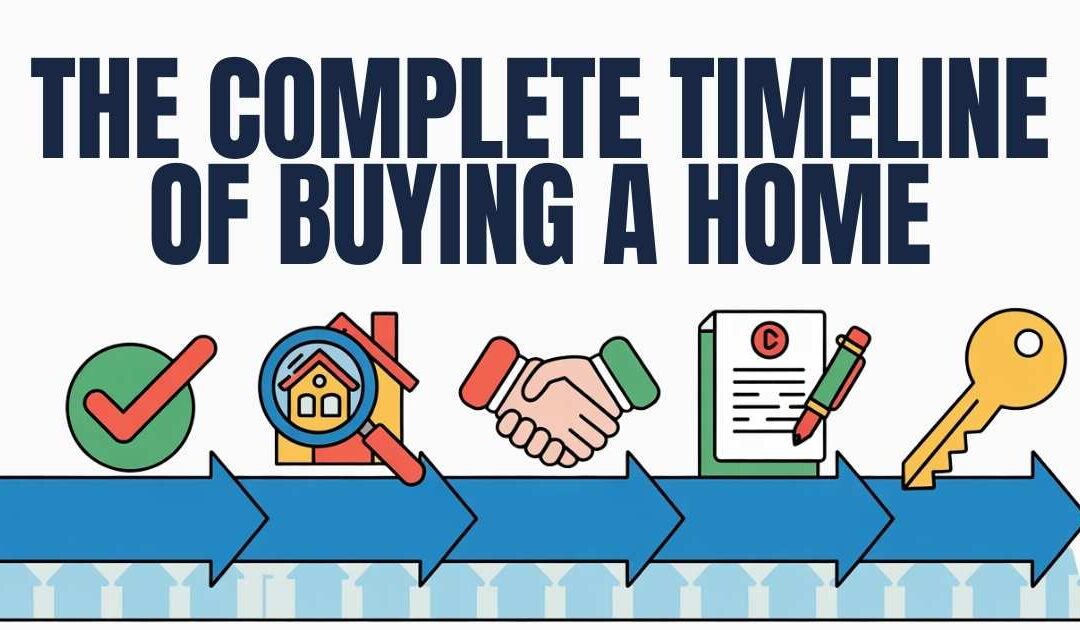
The Complete Timeline of Buying a Home
Buying a home in the United States can feel overwhelming, especially if you’re not sure what happens next or how long each step takes. From getting pre-approved for a mortgage to finally receiving the keys on closing day, the process involves multiple stages,...
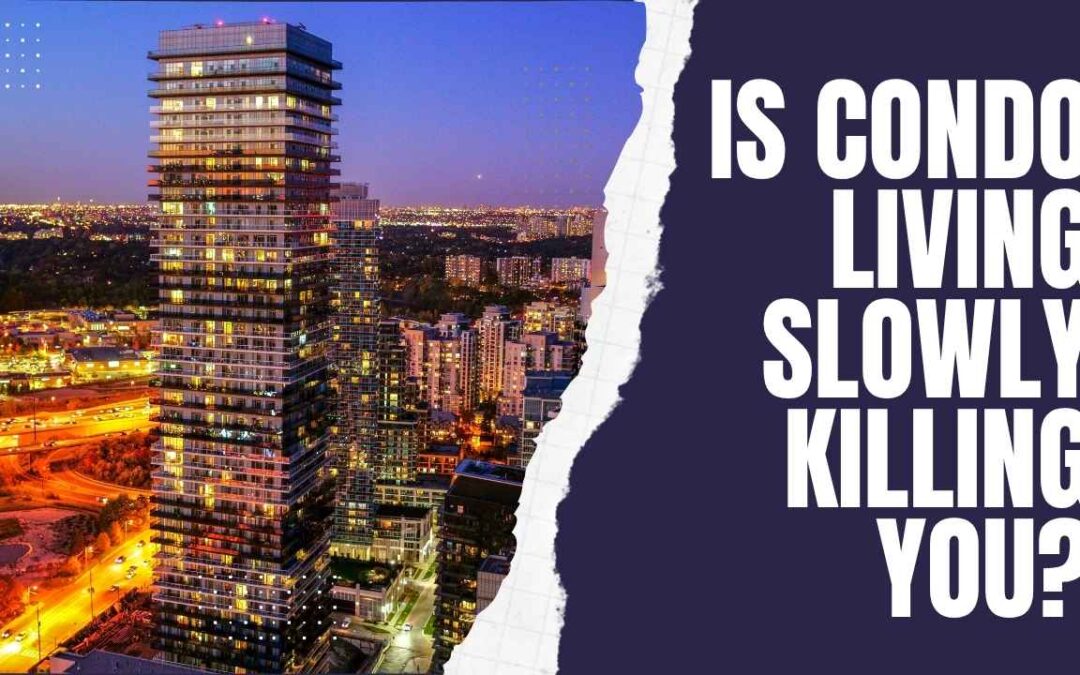
Is Condo Living Slowly Killing You?
When I was still practicing cardiology, I used to think of “stress” as something that only came from long hospital shifts, traffic jams, or difficult patients. Then I moved into a condo. Don’t get me wrong—condo life has its perks: convenience, security, and the...
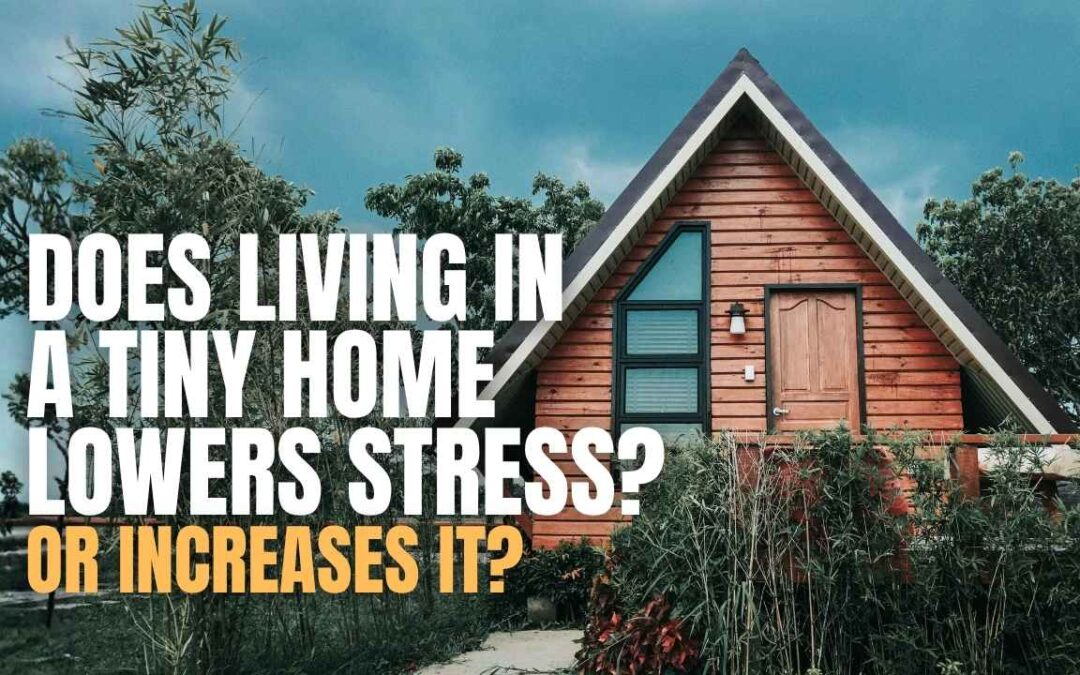
Does Living in a Tiny Home Lowers Your Stress?
Let’s be honest — the idea of tiny home living looks peaceful, right?A minimalist retreat in the woods. Less cleaning. Less clutter. Less debt.In a world that’s constantly shouting “more, more, more”, downsizing seems like the ultimate stress detox. But here’s the...

Why Your Smart Home May Be Spying on You
When smart homes first hit the market, they promised convenience, comfort, and even savings. Voice assistants that play music on command, thermostats that learn your habits, and doorbell cameras that let you see who’s knocking from anywhere. But behind that...

Commercial and Residential
Referral Division
Download Fair Housing Notice

Master Disclaimer
The views, opinions, and summary statements expressed in the contents of this website are those only of the noted presenter(s) (herein referenced as “opinion”) and do not represent official policy or policy positions of eXp World Holdings, it’s subsidiaries or vendor partners or clients (herein reference as “eXp”).
The contents of the media presented on this website and any media cross referenced as related to David G. Reis carry such disclaimers as above.
Quantitative information regarding real estate listings or industry statistics has been derived from source documents with appropriate permissions.
The accuracy of such information is the responsibility of the authors/owners of such source documents.
The media in this website makes no representation of the operational and business models,
expenses or financial success of licensed real estate professionals at, joining, or considering joining eXp.