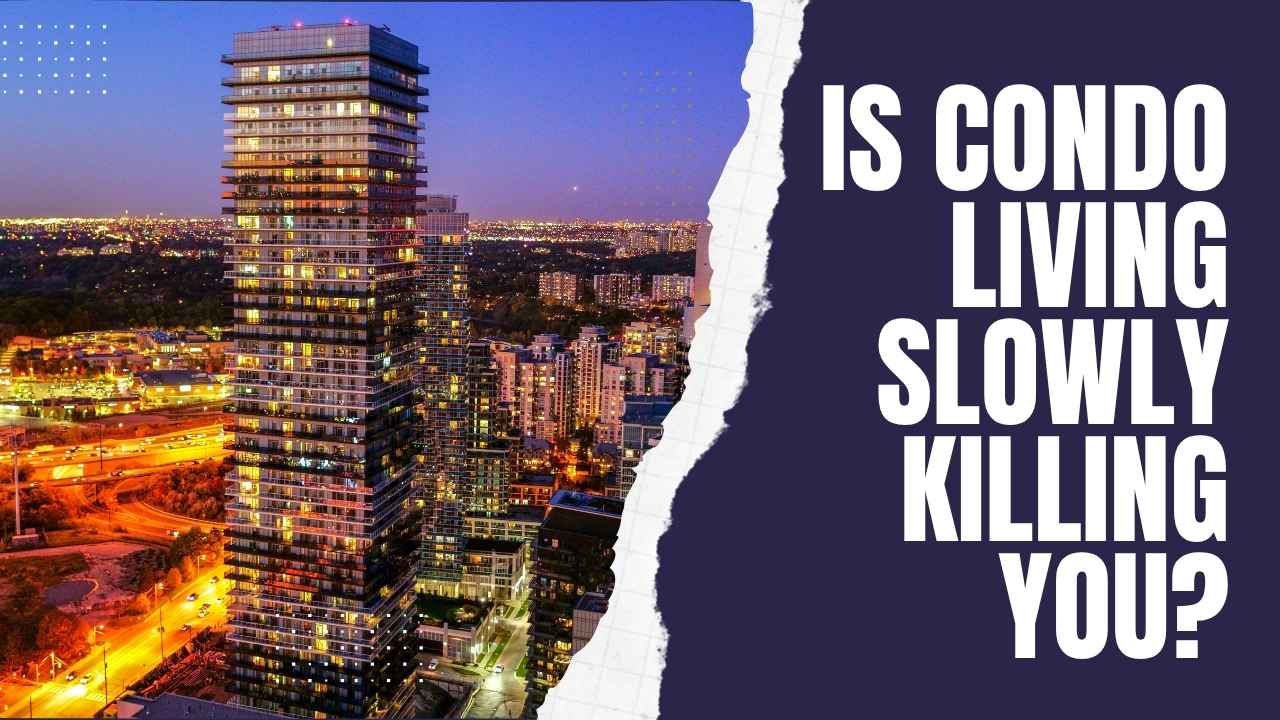

When I was still practicing cardiology, I used to think of “stress” as something that only came from long hospital shifts, traffic jams, or difficult patients. Then I moved into a condo.
Don’t get me wrong—condo life has its perks: convenience, security, and the luxury of walking just a few steps to the gym or pool. But over the years, I’ve seen patterns—both in my own health and my patients’. And it made me ask a serious question: Is condo living slowly killing us?
Let’s talk about it.
🧠 1. The Stress of Small Spaces
Living in a condo can feel cozy—or claustrophobic. Studies show that smaller living spaces increase stress hormones like cortisol, especially when you can’t find personal space or peace.
When you’re surrounded by walls (and sometimes noisy neighbors), your brain can’t fully “turn off.” That chronic background tension? It raises your blood pressure.
If you’ve ever felt your heart race when someone upstairs drags furniture across the floor—you know what I mean.
🌇 2. The Air You Breathe Isn’t Always Healthy
Here’s a fact most people overlook: condos can have poor air circulation. Pollutants, cooking fumes, and off-gassing from furniture or building materials can linger longer than in single-family homes.
If you live in a high-rise in the city, you’re also breathing in fine particulate matter from traffic below—linked directly to heart disease and strokes.
A good HEPA air purifier and some green plants can help—but they can’t fully replace fresh outdoor air.
🚶 3. The “Elevator Lifestyle” Problem
Condo life often means convenience, but convenience can be dangerous. We take elevators instead of stairs, order food deliveries instead of walking, and drive to work instead of commuting by foot.
Sedentary living is one of the leading risk factors for cardiovascular disease.
I had a patient who lived on the 20th floor and hadn’t taken the stairs in five years. His heart? Not as efficient as it could’ve been.
😴 4. The Hidden Toll of Noise and Light
Even when you’re in your unit, you’re rarely in true silence. The hum of the AC, traffic noise from outside, the glow of city lights at night—these all disrupt your body’s natural rhythm.
Chronic exposure to noise increases heart rate and stress hormones during sleep, leading to higher risks of hypertension and heart attacks.
Blackout curtains and soundproofing help, but if your body never fully rests, your heart doesn’t either.
🧍♀️ 5. The Loneliness Paradox
It’s ironic—condos are built to bring people closer, yet many residents feel isolated. You might see dozens of faces in the elevator each day and never know a single name.
Loneliness increases the risk of heart disease as much as smoking 15 cigarettes a day.
If your social life has been reduced to waving at neighbors through the mailroom door, your heart might be missing more than just exercise—it’s missing connection.
💡 So What’s the Solution?
I’m not saying you should sell your condo tomorrow and move to the countryside. (Although some people do and swear it changed their life.)
What I am saying is that condo living requires balance. You have to create your own micro-environment of health.
-
Open your windows daily for at least 15 minutes of fresh air. 🌬️
-
Walk to nearby shops instead of always driving. 🚶
-
Build real relationships with neighbors—community heals hearts. ❤️
-
Take “noise vacations”: a day trip to somewhere quiet. 🌿
-
And for goodness’ sake—take the stairs once in a while. 🪜
❤️ Final Thoughts
Condo living isn’t the villain. It’s how we live within it that matters.
As someone who’s been both a cardiologist and a realtor, I’ve seen that where we live shapes not just our lifestyle—but our lifespan.
So before you renew that condo lease or buy that penthouse, ask yourself:
Is your home giving you peace, or just convenience?
Because your heart deserves more than comfort—it deserves space to breathe. 🫶
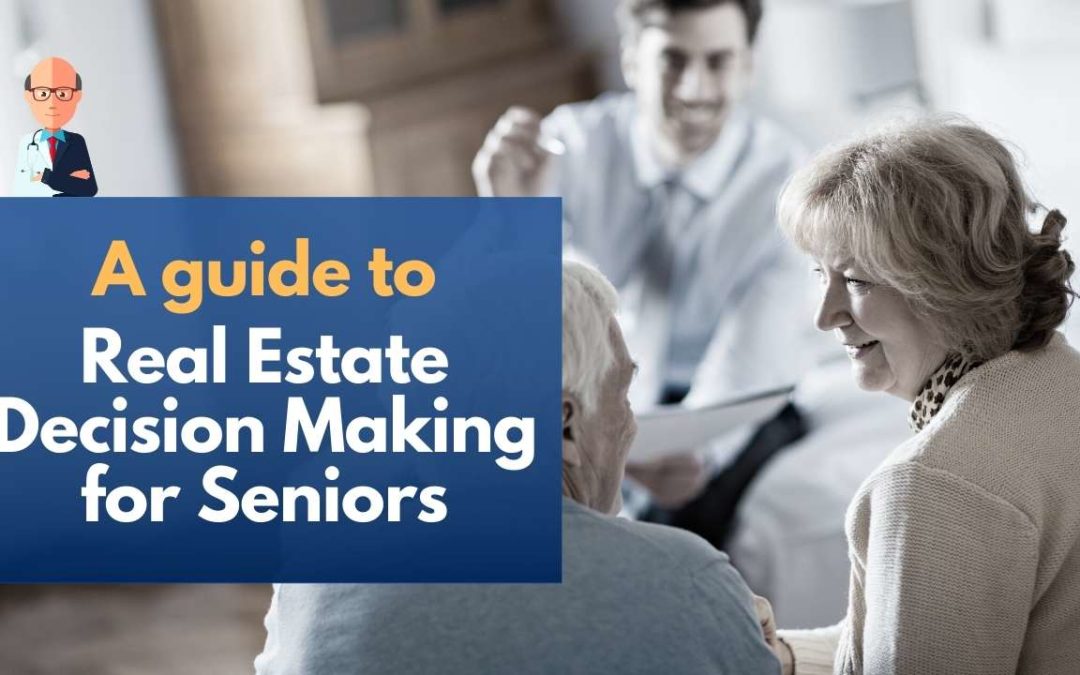
Real Estate Decision Making for Seniors
Selling your home in order to afford senior living and care is not an easy process. There will be emotionally charged considerations such as financial matters, personal choices, loved ones and caregivers and changes in one’s “independent status” and letting go. If...
Know If Your Home Is Priced Correctly!
When selling your house, knowing the pricing is correct is important. Especially in a disrupted market. Like now, there is inventory shortage driving prices upward. But if you’re exuberantly overpriced, you may not get any offers. If you are underpriced, you could...
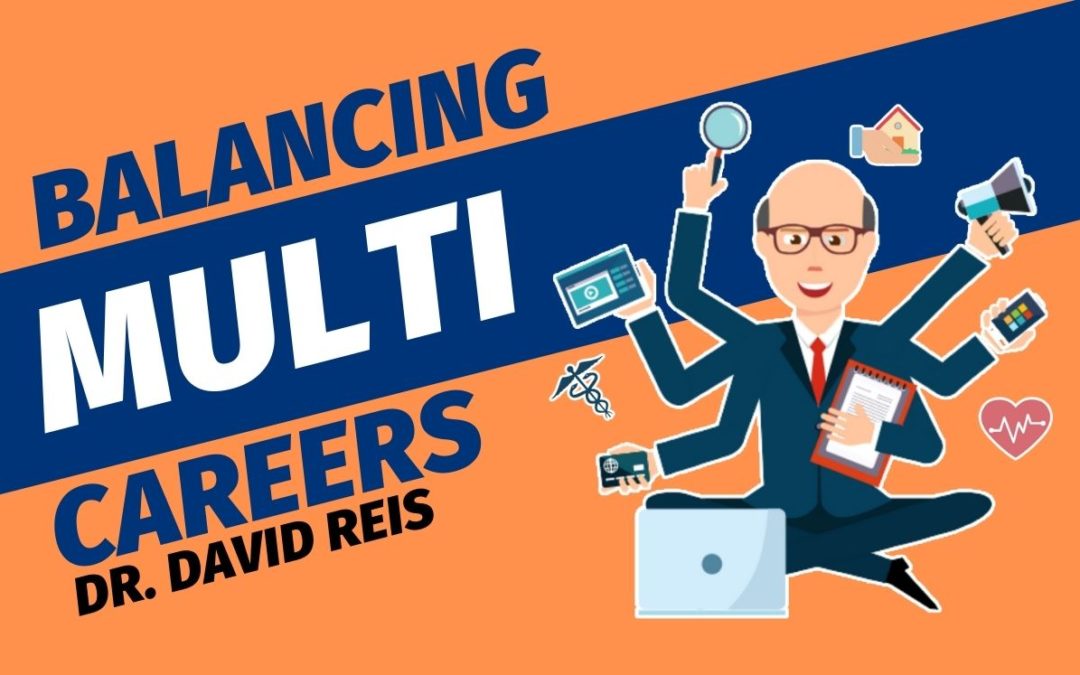
Balancing Multiple Careers
What’s not admitted is how different we all are in organizational capacity. And how resistant or defensive we may be against allowing technology to replace our legacy brain processes, for fear of loosing “control”. In real estate practice this is a “biggie” in terms...

BUYING AND SELLING REAL ESTATE WHILE COPING WITH PANDEMIC EMOTION
Buying and selling real estate has many components and interfaces. Is not an easy process. Envision including the test of doing this procedure during a pandemic. Buyers, Sellers and real estate professionals are currently confronting this reality. Most of the...
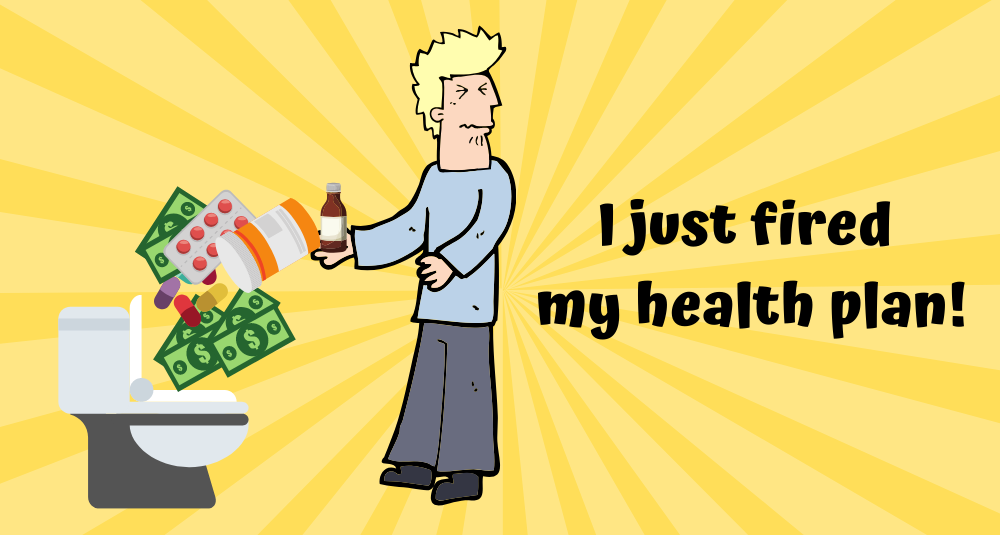
I just fired my health plan!
I just finished recreating my health benefits, having been priced out of the “solo” market. There’s no way I can rationalize 28k/year for “usual age appropriate utilization”. My past plan was likely no worse than the others, such grotesque pricing the result of bad...

Commercial and Residential
Referral Division
Download Fair Housing Notice

Master Disclaimer
The views, opinions, and summary statements expressed in the contents of this website are those only of the noted presenter(s) (herein referenced as “opinion”) and do not represent official policy or policy positions of eXp World Holdings, it’s subsidiaries or vendor partners or clients (herein reference as “eXp”).
The contents of the media presented on this website and any media cross referenced as related to David G. Reis carry such disclaimers as above.
Quantitative information regarding real estate listings or industry statistics has been derived from source documents with appropriate permissions.
The accuracy of such information is the responsibility of the authors/owners of such source documents.
The media in this website makes no representation of the operational and business models,
expenses or financial success of licensed real estate professionals at, joining, or considering joining eXp.