


Retirement is an opportunity to invest in yourself. Studies consistently show that retirees who stay mentally, physically, and socially engaged tend to report higher life satisfaction and lower rates of loneliness. The challenge isn’t finding free time—it’s deciding how to spend it.
Here are 10 retirement hobbies worth considering, along with realistic costs and examples for both couples and seniors living alone.
1. Gardening

Gardening provides light exercise while reducing stress and encouraging time outdoors. Even a small patio garden can produce herbs, vegetables, or colorful flowers.
Average cost
- Starter tools: US$40–100
- Raised garden bed: US$100–300
- Seeds and plants: US$20–80 per season
Living alone
- Grow herbs and vegetables in containers.
- Spend 15–30 minutes watering and tending plants each day.
Couples
- Divide responsibilities between planting, watering, and harvesting.
- Turn gardening into a weekly outdoor activity.
2. Walking and Hiking

Walking remains one of the easiest and healthiest retirement hobbies. Health authorities generally recommend at least 150 minutes of moderate physical activity each week for older adults.
Average cost
- Walking shoes: US$70–150
- Hiking poles (optional): US$30–80
- Local park access: usually free
Living alone
- Join community walking groups for motivation.
Couples
- Explore a different trail every weekend.
3. Photography

Modern smartphones make photography accessible without expensive equipment.
Average cost
- Smartphone photography: Free if you already own a phone
- Beginner camera: US$500–900
- Photography club membership: US$20–100 annually
Living alone
- Photograph birds, architecture, or sunsets during daily walks.
Couples
- Create travel albums or photo books together.
4. Learning a Musical Instrument

Learning music challenges memory, coordination, and concentration.
Average cost
- Ukulele: US$50–150
- Digital keyboard: US$300–700
- Online lessons: US$15–40 per month
Living alone
- Practice 20 minutes daily.
Couples
- Learn songs together and perform for family gatherings.
5. Arts and Crafts
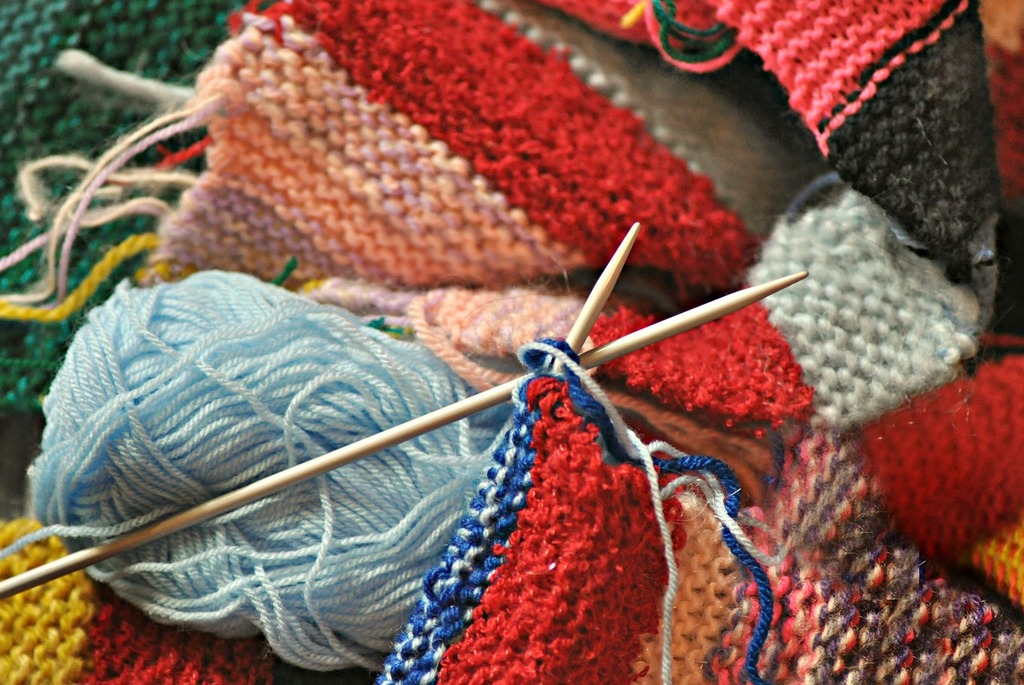
Painting, knitting, quilting, woodworking, and pottery provide creative outlets while improving fine motor skills.
Average cost
- Beginner art supplies: US$40–120
- Knitting starter kit: US$30–70
- Community classes: US$20–100
Living alone
- Join online art communities.
Couples
- Create handmade gifts together.
6. Volunteering

Volunteering adds purpose while strengthening community connections.
Average cost
- Usually free
- Transportation: US$5–30 per visit, depending on distance
Living alone
- Volunteer one day each week.
Couples
- Support local charities together.
7. Cooking and Baking

Trying new recipes is both enjoyable and practical.
Average cost
- Cookbook: US$15–35
- Specialty ingredients: US$20–50 monthly
- Cooking class: US$30–120
Living alone
- Prepare freezer meals to reduce food waste.
Couples
- Host monthly dinners for friends.
8. Traveling

Many retirees prioritize experiences over possessions.
Average cost
- Weekend road trip: US$150–500
- Domestic vacation: US$800–2,000
- International vacation: US$2,000–5,000+
Living alone
- Join organized senior travel groups.
Couples
- Plan one major trip annually.
9. Pickleball or Recreational Sports

Pickleball has become one of the fastest-growing recreational sports among older adults because it’s relatively easy to learn and highly social.
Average cost
- Paddle: US$40–120
- Balls: US$10–25
- Court fees: Free to US$15 per visit
Living alone
- Meet new friends through local leagues.
Couples
- Play doubles with another retired couple.
10. Reading and Book Clubs
Reading improves knowledge, stimulates the brain, and provides lifelong learning opportunities.
Average cost
- Library membership: Usually free
- New books: US$10–30 each
- E-book subscription: US$10–15 per month
Living alone
- Join virtual book discussions.
Couples
- Read the same book and discuss it over coffee.
Which Hobby Fits Your Budget?
| Monthly Budget | Recommended Hobbies |
|---|---|
| Under US$25 | Walking, Reading, Volunteering, Gardening |
| US$25–100 | Arts & Crafts, Music, Photography |
| US$100–300 | Pickleball, Cooking Classes, Gardening |
| US$300+ | Travel, Advanced Photography, Multiple Hobbies |
Final Thoughts
Retirement doesn’t have to mean slowing down—it can be the beginning of discovering new passions. Whether you’re living independently or sharing retirement with a spouse, choosing hobbies that match your interests, budget, and physical abilities can improve your quality of life while keeping your mind and body active.
The best retirement hobby isn’t necessarily the most expensive—it’s the one you’ll enjoy enough to keep doing every week.
Disclaimer
This article is intended for educational and informational purposes only. Costs are approximate averages in the United States and Canada as of 2026 and may vary by region, retailer, season, and personal preferences. Health benefits mentioned are based on general research regarding active lifestyles and should not replace professional medical advice. Consult your healthcare provider before beginning any new physical activity or exercise program, especially if you have existing medical conditions.

10 Body Changes After 60 Worth Discussing With Your Doctor
Download these helpful checklists to guide you through your buying and selling journey.Home Buyer's ChecklistHome Seller's ChecklistMistakes To Avoid

Morning Headaches in Seniors: 9 Causes, Warning Signs and What to Do
Download these helpful checklists to guide you through your buying and selling journey.Home Buyer's ChecklistHome Seller's ChecklistMistakes To Avoid

Sudden Weight Gain From Fluid Retention: Causes, Warning Signs & What to Do
Download these helpful checklists to guide you through your buying and selling journey.Home Buyer's ChecklistHome Seller's ChecklistMistakes To Avoid
Download these helpful checklists to guide you through your buying and selling journey.

Home Buyer’s Checklist

Home Seller’s Checklist

Mistakes To Avoid