
For decades, retirement traditionally meant completely leaving the workforce around age 65 and shifting into a slower lifestyle. But today, many older adults are redefining what retirement looks like. Instead of fully stopping work, seniors are increasingly choosing what experts call “soft retirement” — a flexible lifestyle that blends reduced work, personal freedom, wellness, and purpose.
Soft retirement has become especially popular among baby boomers and active older adults who still want structure, income, social interaction, and meaning without the intense pressure of full-time careers.
1. What Is Soft Retirement?
Soft retirement means gradually stepping back from full-time work instead of abruptly retiring. This may include part-time jobs, consulting, passion projects, remote work, volunteering, or small businesses.
Many seniors say they enjoy staying productive while maintaining better work-life balance and lower stress levels.


Older adults considering soft retirement should first evaluate their financial needs, health, energy levels, and personal goals before deciding how much work feels healthy and sustainable.
2. Mental Health Benefits of Staying Active
Research continues to show that staying mentally and socially engaged may help improve emotional wellness, cognitive function, and overall quality of life in older adults.
Many seniors who fully retire unexpectedly experience loneliness, boredom, loss of identity, or emotional withdrawal. Soft retirement can help maintain routine, social interaction, and a sense of purpose.


Experts often encourage retirees to build routines that include movement, social engagement, hobbies, learning, and flexible work to support both mental and emotional wellness.
3. Financial Pressures Are Changing Retirement
Rising living costs, healthcare expenses, inflation, and longer life expectancy are also major reasons many older adults continue working in some capacity.
For some seniors, soft retirement provides supplemental income while reducing financial stress and preserving independence.


Financial advisors often recommend flexible budgeting, reducing unnecessary expenses, and exploring low-stress income opportunities that fit a senior’s physical and emotional capacity.
4. Retirement Is Becoming More Personal
Today’s retirees are prioritizing flexibility, wellness, peace of mind, and personal fulfillment more than previous generations. Many no longer view retirement as “stopping,” but rather as redesigning life with healthier balance.
Soft retirement allows older adults to stay engaged without sacrificing rest, freedom, travel, hobbies, family time, or wellness.


The healthiest retirement plans often combine purpose, rest, movement, meaningful relationships, and flexibility rather than focusing only on finances or productivity.
Final Thoughts
The rise of soft retirement reflects a larger shift in how society views aging, wellness, and work. Many seniors today want freedom without losing purpose, structure without overwhelming stress, and income without burnout.
Rather than completely slowing down, soft retirement allows older adults to create a lifestyle that supports emotional wellness, financial flexibility, independence, and healthier aging.
For many seniors, retirement is no longer the end of productivity — it is the beginning of a more balanced and intentional chapter of life.
Disclaimer
This article is for informational purposes only and does not constitute medical, legal, or financial advice. Individual needs vary widely. Always consult with qualified healthcare providers, licensed financial advisors, or elder care professionals before making decisions regarding senior living arrangements.
Download these helpful checklists to guide you through your buying and selling journey.

Home Buyer’s Checklist

Home Seller’s Checklist

Mistakes To Avoid

10 Body Changes After 60 Worth Discussing With Your Doctor
Download these helpful checklists to guide you through your buying and selling journey.Home Buyer's ChecklistHome Seller's ChecklistMistakes To Avoid

Morning Headaches in Seniors: 9 Causes, Warning Signs and What to Do
Download these helpful checklists to guide you through your buying and selling journey.Home Buyer's ChecklistHome Seller's ChecklistMistakes To Avoid
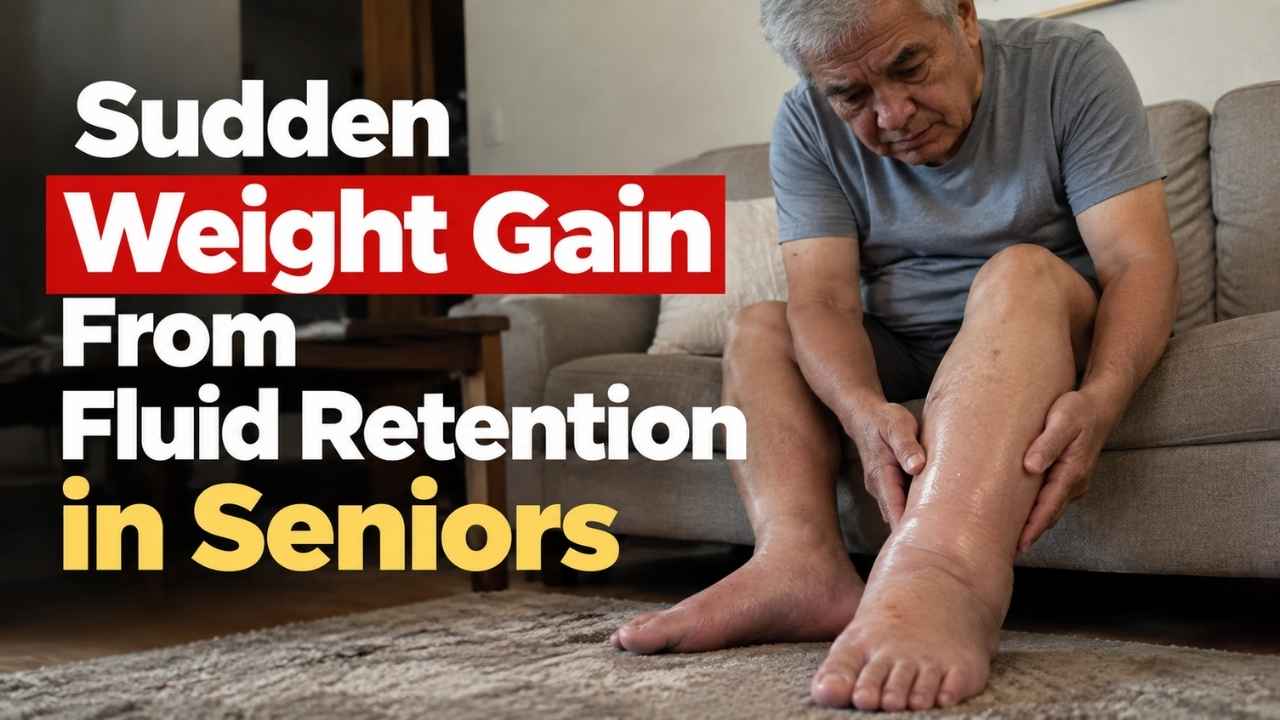
Sudden Weight Gain From Fluid Retention: Causes, Warning Signs & What to Do
Download these helpful checklists to guide you through your buying and selling journey.Home Buyer's ChecklistHome Seller's ChecklistMistakes To Avoid