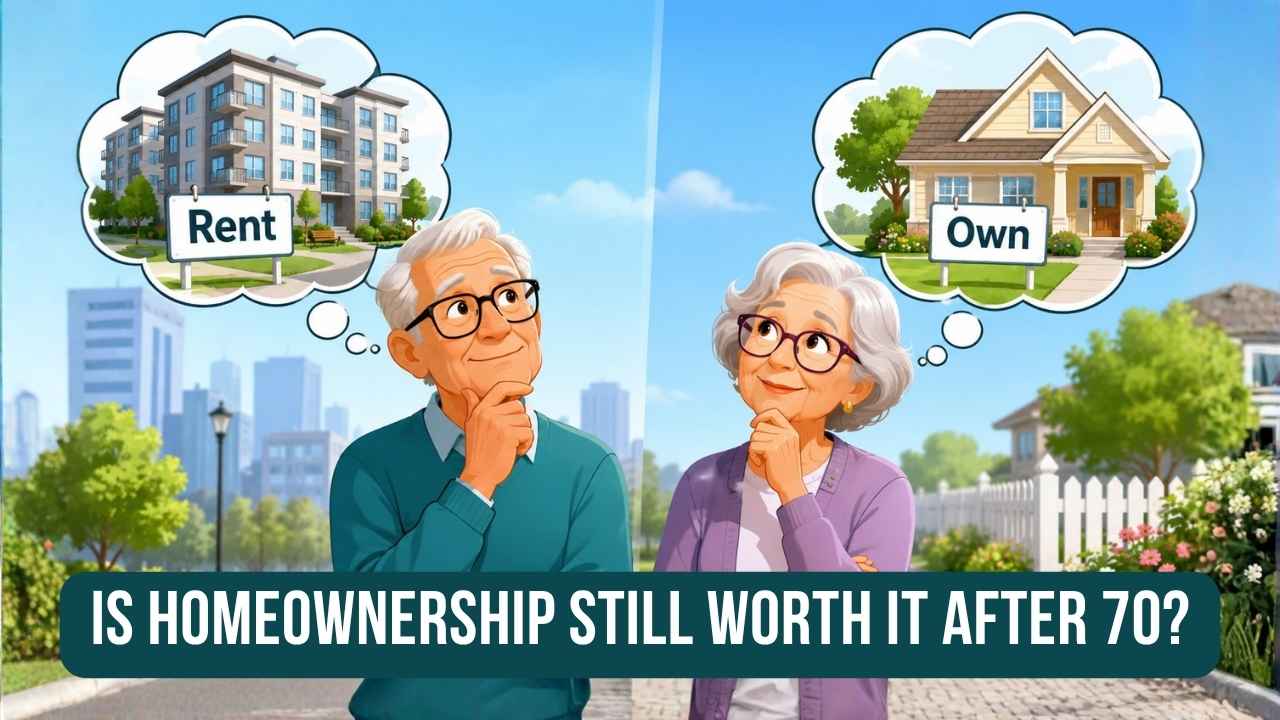

For many retirees, the question of whether to continue owning a home or switch to renting becomes increasingly important after age 70. While homeownership has long been considered part of the American Dream, retirement often brings new priorities such as reducing expenses, eliminating maintenance responsibilities, and improving flexibility.
The answer isn’t the same for everyone. The best choice depends on your financial situation, health, lifestyle, and long-term goals.
Let’s examine the facts.
1. Renting Eliminates Most Maintenance Responsibilities
One of the biggest advantages of renting is freedom from home maintenance. Roof repairs, plumbing issues, landscaping, and appliance replacements can become physically challenging and expensive as people age.
For seniors who no longer want the burden of maintaining a property, renting can provide peace of mind and predictability.

Consider moving into a senior-friendly apartment community where maintenance, lawn care, and repairs are included in the monthly rent.
2. Homeownership May Offer More Financial Stability
While renters face annual rent increases, homeowners with a paid-off mortgage may enjoy relatively stable housing costs.
Property taxes, insurance, and maintenance still exist, but many retirees appreciate knowing they won’t receive a notice that their monthly housing payment is increasing significantly.

If your mortgage is paid off and the home is manageable, aging in place may be financially advantageous.
3. Renting Can Unlock Home Equity
According to data from the National Association of Realtors, many older homeowners possess significant home equity accumulated over decades.
Selling a home and renting can free up cash that may be used for healthcare expenses, travel, investments, or supplemental retirement income.

Meet with a financial advisor to evaluate whether accessing home equity could strengthen your retirement plan.
4. Homeownership Provides More Freedom and Control
Homeowners can remodel, garden, own pets more freely, and customize their living environment without landlord restrictions.
For many seniors, emotional attachment to a longtime family home is also a significant factor.

If mobility is becoming a concern, consider modifying the home with accessibility features rather than moving immediately.
5. Healthcare Access May Become More Important Than Ownership
After age 70, proximity to healthcare providers, hospitals, pharmacies, and support services often becomes a major consideration.
Sometimes renting in a community closer to family or medical facilities can improve quality of life.

Evaluate housing options based on healthcare accessibility, transportation, and support networks—not just financial factors.
So, Is Renting Better Than Owning After 70?
There is no universal answer.
Renting may be better if you:
- Want less maintenance responsibility
- Desire greater flexibility
- Need access to home equity
- Plan to relocate closer to family or healthcare
Owning may be better if you:
- Have a paid-off home
- Want stable housing costs
- Enjoy independence and customization
- Plan to age in place comfortably
The most important consideration is choosing a housing arrangement that supports your financial security, health, and lifestyle goals throughout retirement.
Final Thoughts
After age 70, housing decisions become less about building wealth and more about preserving quality of life. Whether you rent or own, the ideal choice is the one that allows you to remain safe, comfortable, financially secure, and connected to the people and services that matter most.
Disclaimer
This article is intended for educational and informational purposes only and should not be considered financial, legal, tax, real estate, or investment advice. Individual circumstances vary significantly. Consult qualified financial advisors, real estate professionals, attorneys, or tax professionals before making major housing or retirement decisions.

10 Body Changes After 60 Worth Discussing With Your Doctor
Download these helpful checklists to guide you through your buying and selling journey.Home Buyer's ChecklistHome Seller's ChecklistMistakes To Avoid

Morning Headaches in Seniors: 9 Causes, Warning Signs and What to Do
Download these helpful checklists to guide you through your buying and selling journey.Home Buyer's ChecklistHome Seller's ChecklistMistakes To Avoid
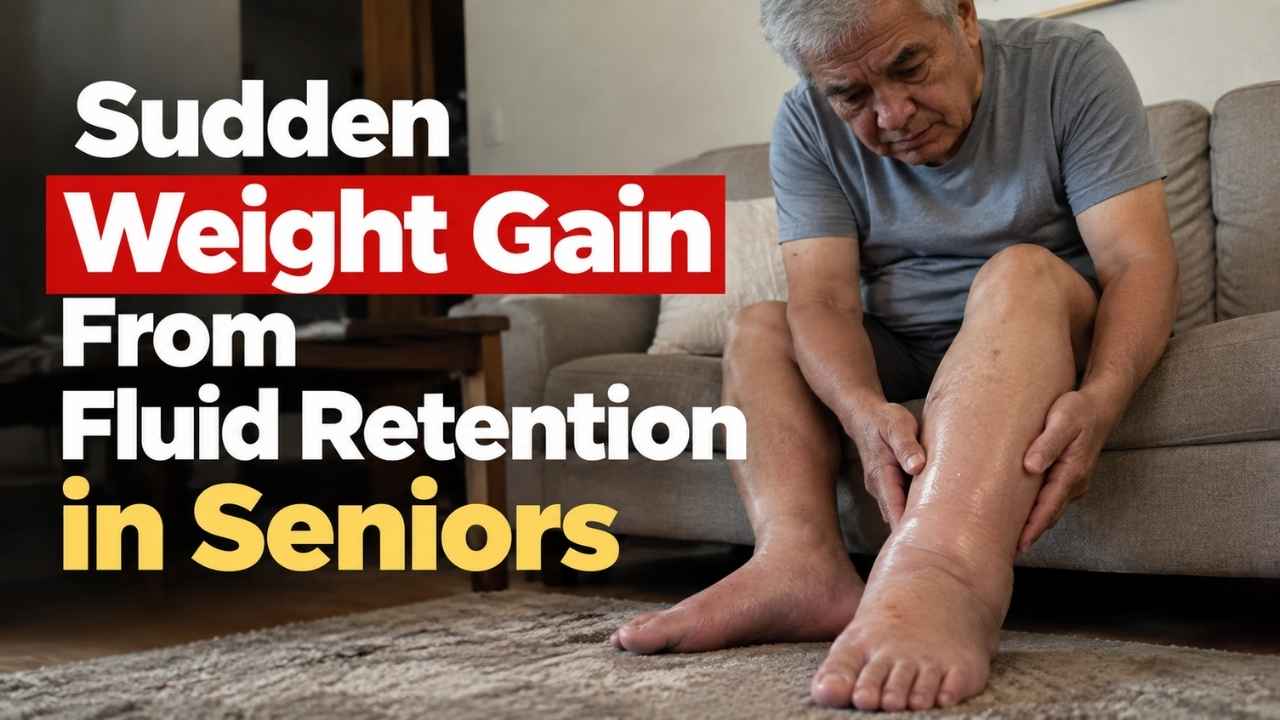
Sudden Weight Gain From Fluid Retention: Causes, Warning Signs & What to Do
Download these helpful checklists to guide you through your buying and selling journey.Home Buyer's ChecklistHome Seller's ChecklistMistakes To Avoid
Download these helpful checklists to guide you through your buying and selling journey.

Home Buyer’s Checklist

Home Seller’s Checklist
Mistakes To Avoid