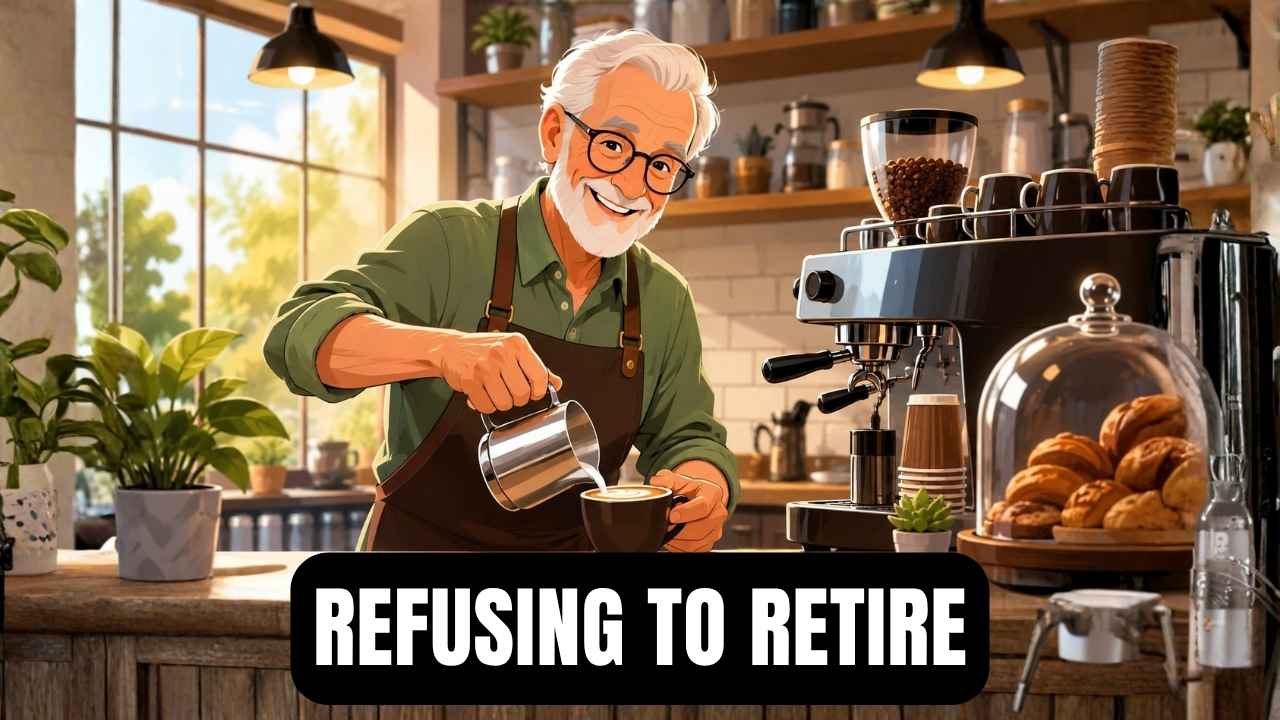

For generations, retirement at age 65 was considered the finish line. Today, that idea is rapidly changing. More seniors are choosing to continue working well into their 70s and even 80s.
Some work because they need the income. Others continue because they enjoy their careers, value social interaction, or simply aren’t ready to stop.
Here are some of the biggest reasons seniors are refusing to retire and what experts say about the trend.
1. Rising Costs Are Making Retirement More Expensive
Many retirees are discovering that retirement savings do not stretch as far as expected. Housing, healthcare, insurance, and everyday expenses continue to rise.
A senior who expected to spend $50,000 annually may find expenses significantly higher due to inflation and medical costs.
Solution:
Consider part-time work, consulting, or flexible employment to supplement retirement income.

2. Work Provides Purpose and Meaning
Many seniors report that work gives them structure, goals, and a sense of accomplishment.
Research consistently finds that people with a strong sense of purpose often report higher life satisfaction.
Solution:
If full-time work feels overwhelming, explore mentoring, teaching, volunteering, or consulting opportunities.

3. Social Connections Matter
Retirement can sometimes lead to isolation, especially for people whose social lives revolved around work.
Maintaining regular interaction with colleagues and clients can support emotional well-being.
Solution:
Look for jobs, clubs, volunteer opportunities, or community activities that encourage social engagement.

4. Better Health Is Extending Careers
People are generally living longer and remaining active later in life than previous generations.
Many healthy adults in their late 60s and 70s feel fully capable of continuing productive work.
Solution:
Prioritize exercise, nutrition, regular health screenings, and stress management to maintain work capacity.

5. Retirement Isn’t Always What People Expect
Some retirees find that endless leisure loses its appeal after a few months.
Without goals or routine, retirement can feel less fulfilling than anticipated.
Solution:
Create a retirement plan that includes meaningful activities, hobbies, travel, learning, and potential work opportunities.

The Other Side of the Debate
While continuing to work can provide benefits, retirement remains an important goal for many people.
Some seniors face physical limitations, caregiving responsibilities, or health challenges that make working difficult.
The key is recognizing that retirement is no longer a one-size-fits-all decision. Today’s seniors have more options than ever before.
Whether you choose full retirement, part-time work, consulting, or entrepreneurship, the best decision is the one that supports your financial security, health, and happiness.
Key Takeaway
Refusing to retire is becoming increasingly common. For many seniors, work is no longer just about earning money—it’s about purpose, connection, flexibility, and maintaining an active lifestyle. The traditional retirement model is evolving, and many older adults are redefining what their later years look like.
Disclaimer
This article is intended for general educational and informational purposes only and should not be considered financial, legal, tax, employment, retirement, or medical advice. Individual circumstances vary significantly. Readers should consult qualified financial advisors, tax professionals, attorneys, healthcare providers, or retirement specialists before making decisions regarding employment, retirement planning, investments, healthcare, or benefits.
Download these helpful checklists to guide you through your buying and selling journey.

Home Buyer’s Checklist

Home Seller’s Checklist

Mistakes To Avoid

10 Body Changes After 60 Worth Discussing With Your Doctor
Download these helpful checklists to guide you through your buying and selling journey.Home Buyer's ChecklistHome Seller's ChecklistMistakes To Avoid
Morning Headaches in Seniors: 9 Causes, Warning Signs and What to Do
Download these helpful checklists to guide you through your buying and selling journey.Home Buyer's ChecklistHome Seller's ChecklistMistakes To Avoid

Sudden Weight Gain From Fluid Retention: Causes, Warning Signs & What to Do
Download these helpful checklists to guide you through your buying and selling journey.Home Buyer's ChecklistHome Seller's ChecklistMistakes To Avoid