
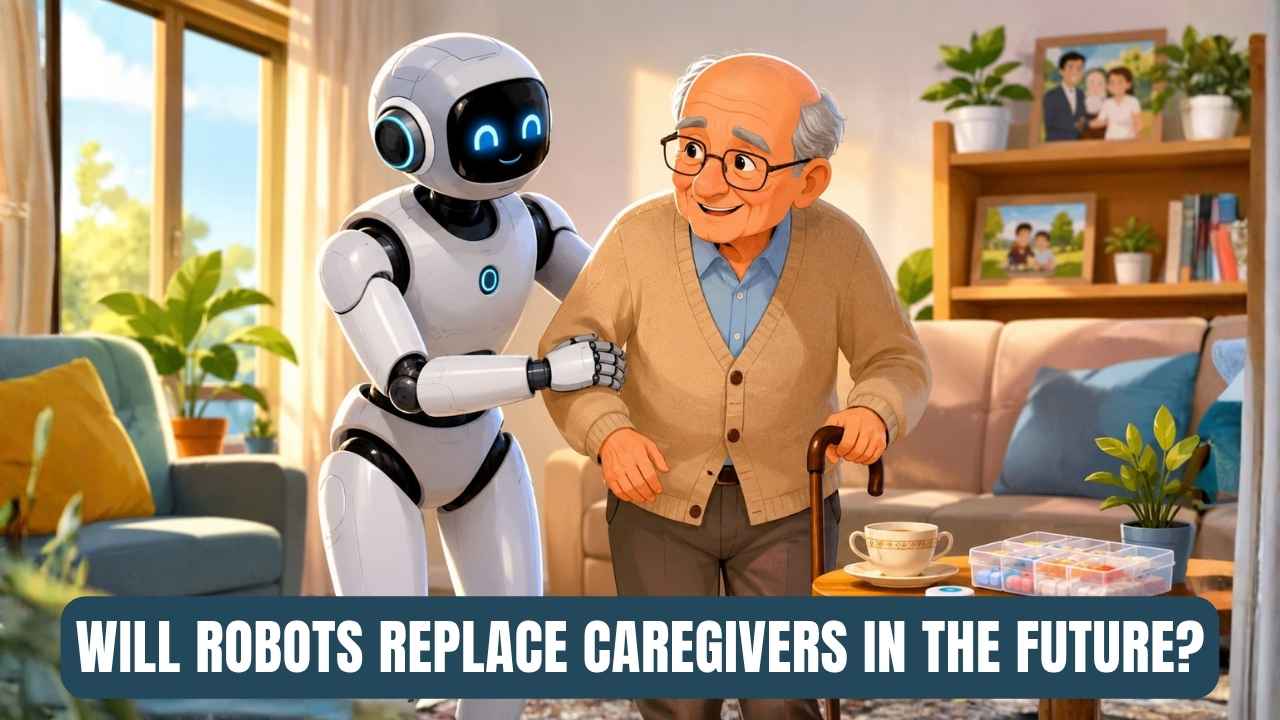

Artificial intelligence and robotics are advancing faster than ever. From robotic companions to machines that remind seniors to take medication, the future of caregiving is already taking shape.
But does that mean robots will completely replace human caregivers?
The short answer is probably not—but they will almost certainly change how caregiving is delivered.
1. Robots Can Help with Daily Tasks

Modern care robots can:
- Remind seniors to take medications
- Detect falls
- Monitor vital signs
- Carry groceries
- Help lift patients safely
- Call emergency services automatically
Families can use these technologies to supplement—not replace—human care, especially for seniors living independently.
2. Robots Never Get Tired

Unlike people, robots don’t:
- Need sleep
- Forget routines
- Experience burnout
- Take vacations
This makes them ideal for repetitive monitoring and overnight observation.
Robots can handle routine tasks while human caregivers focus on emotional support and complex medical needs.
3. Robots Cannot Truly Understand Human Emotions

Even the most advanced AI cannot genuinely experience:
- Empathy
- Love
- Compassion
- Human intuition
- Emotional connection
A robot may recognize sadness from facial expressions, but it does not actually feel concern.
Human interaction remains essential for mental health, companionship, and emotional well-being.
4. There Are Privacy and Ethical Concerns
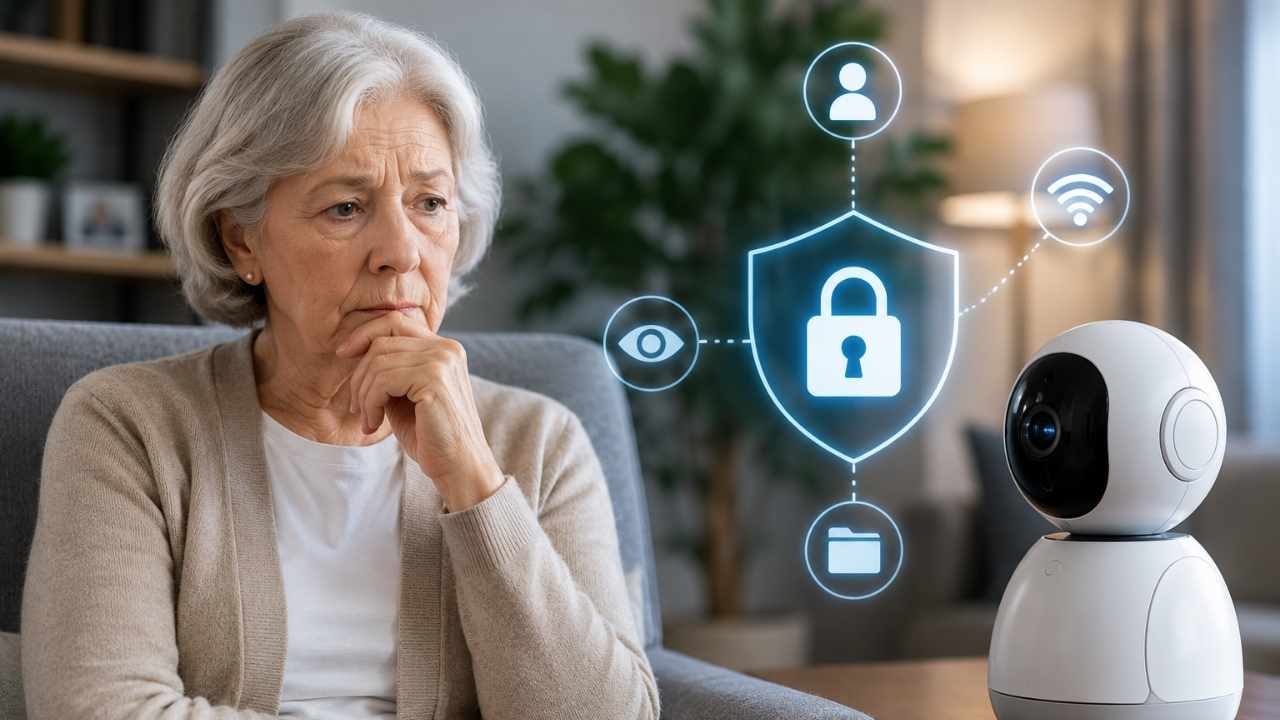
Many caregiving robots rely on:
- Cameras
- Microphones
- Internet connections
- Health monitoring sensors
This raises important questions about:
- Data privacy
- Cybersecurity
- Consent
- Who owns health information
Families should understand how personal data is collected, stored, and protected before adopting smart caregiving technology.
5. The Future Is Likely Human + Robot Care
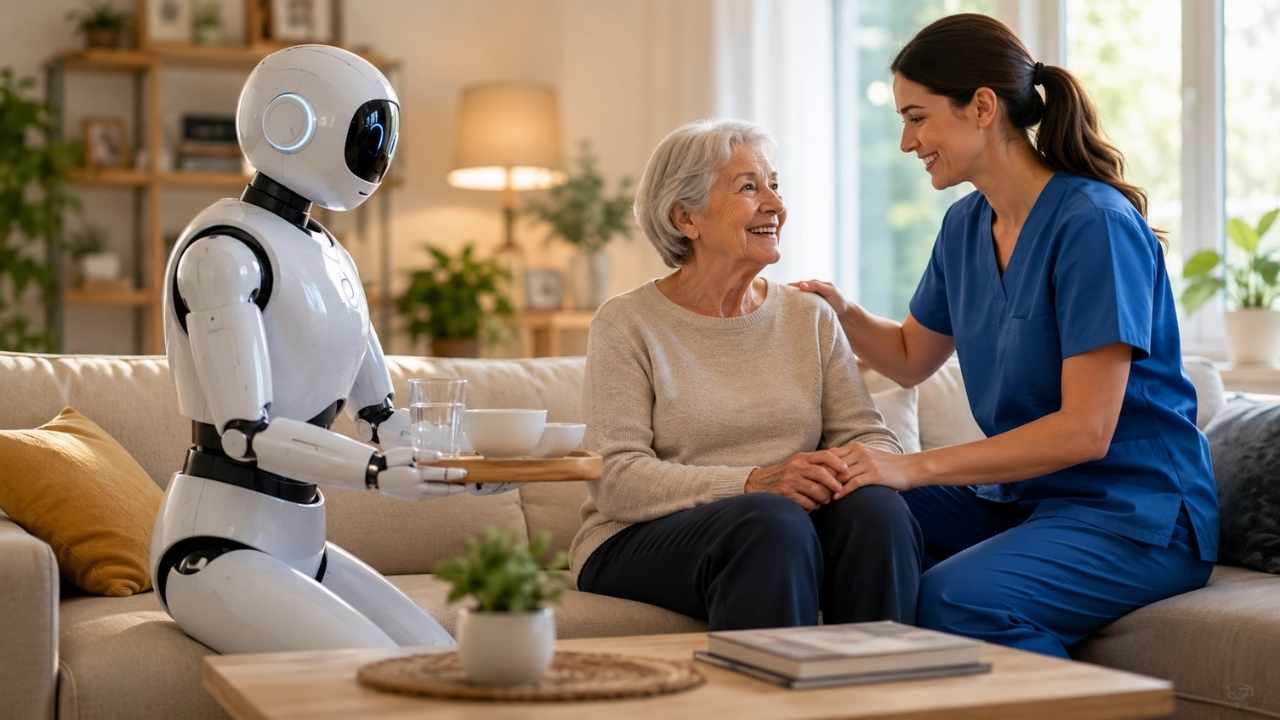
Experts generally expect robots to assist caregivers rather than replace them.
Robots are excellent at repetitive physical tasks and monitoring, while people provide:
- Emotional support
- Decision-making
- Medical judgment
- Personal relationships
- Comfort during difficult moments
The most effective care model will likely combine both.
Think of robots as helpful assistants—not replacements—for skilled caregivers, nurses, and family members.
Final Thoughts
As populations age and caregiver shortages continue in many countries, robotics and artificial intelligence will likely become a normal part of senior care.
However, caring for another human being involves far more than completing tasks. Compassion, trust, conversation, reassurance, and genuine relationships remain qualities that technology cannot fully replicate.
Rather than replacing caregivers, robots may help people spend more time being human by taking over routine work.
Disclaimer
This article is intended for educational and informational purposes only and should not be considered medical, legal, financial, or caregiving advice. Technology, healthcare regulations, privacy laws, and robotics capabilities continue to evolve. Always consult qualified healthcare professionals, caregiving specialists, or legal advisors before making decisions regarding long-term care or adopting assistive technologies. References to current or future technologies do not imply endorsement or guarantee of effectiveness.
Download these helpful checklists to guide you through your buying and selling journey.

Home Buyer’s Checklist

Home Seller’s Checklist

Mistakes To Avoid

10 Body Changes After 60 Worth Discussing With Your Doctor
Download these helpful checklists to guide you through your buying and selling journey.Home Buyer's ChecklistHome Seller's ChecklistMistakes To Avoid

Morning Headaches in Seniors: 9 Causes, Warning Signs and What to Do
Download these helpful checklists to guide you through your buying and selling journey.Home Buyer's ChecklistHome Seller's ChecklistMistakes To Avoid
Sudden Weight Gain From Fluid Retention: Causes, Warning Signs & What to Do
Download these helpful checklists to guide you through your buying and selling journey.Home Buyer's ChecklistHome Seller's ChecklistMistakes To Avoid