When buying or selling a home, most people focus on square footage, kitchen upgrades, or school districts. But here’s something you might not think about: the neighborhood itself can be the biggest factor in your health and happiness.
As both a realtor and a cardiologist, I’ve seen firsthand how daily activity can transform lives. Choosing a neighborhood with the right amenities doesn’t just add value to your property—it adds value to your well-being. Here are a few features that can make a big difference:
1. Walkable Streets
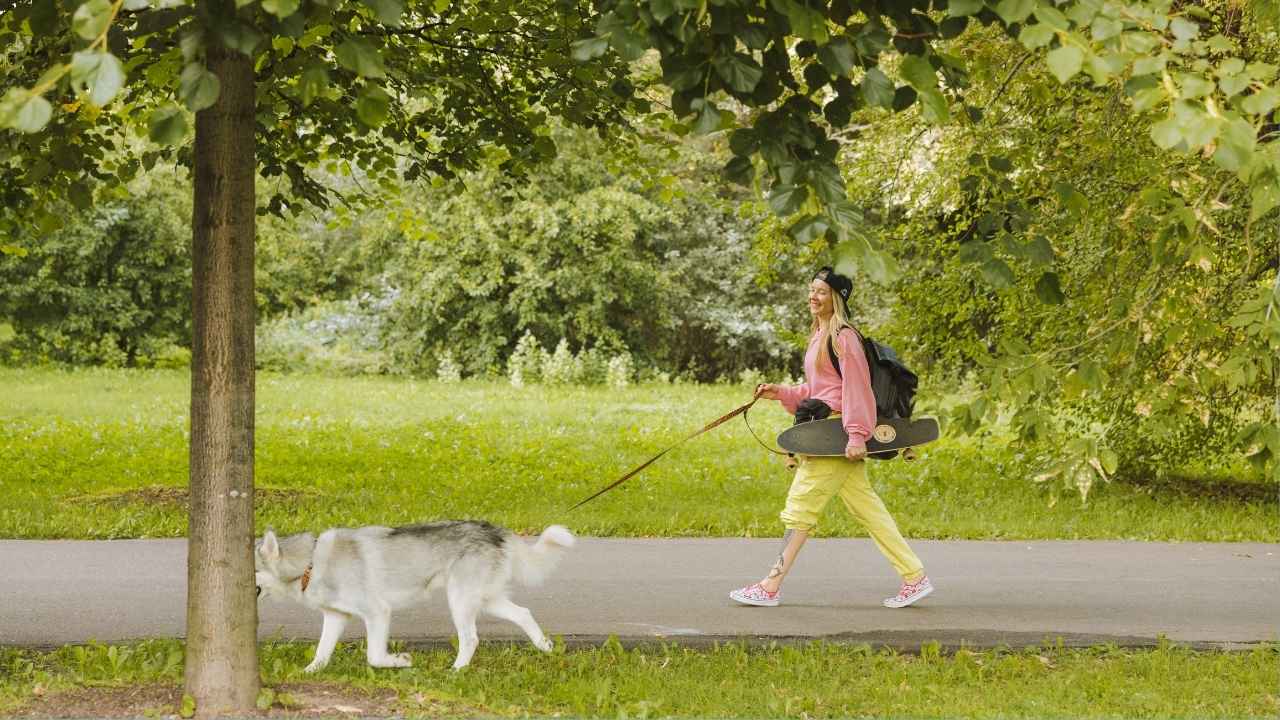
Sidewalks, safe crosswalks, and tree-lined streets make it easy (and inviting) to get your steps in every day. A simple 15-minute walk can reduce stress, lower blood pressure, and increase your energy.
2. Parks and Green Spaces
Neighborhoods with nearby parks encourage everything from morning jogs to evening strolls with the family. Fresh air and greenery aren’t just beautiful—they’re proven to improve cardiovascular health and mental clarity.
3. Fitness-Friendly Amenities
Access to gyms, yoga studios, bike paths, or community recreation centers provides built-in motivation. When fitness is nearby, it’s easier to make movement a daily habit.
4. Proximity to Shops and Cafés
Walkable access to grocery stores, restaurants, and coffee shops means you’re less likely to rely on your car. These short trips add up, keeping you active without even thinking about it.
5. Community Engagement Opportunities
Neighborhoods that host farmer’s markets, festivals, or group exercise classes encourage both physical movement and social connection—two pillars of a healthy lifestyle.
Why This Matters for Buyers and Sellers
For buyers, investing in a health-friendly neighborhood means you’re choosing more than a house—you’re choosing a lifestyle that supports long-term wellness.
For sellers, highlighting these neighborhood features can make your property more attractive to today’s health-conscious buyers. Homes in walkable, active neighborhoods often see higher demand and stronger resale value.
Work with a Realtor Who Understands Both Homes and Health
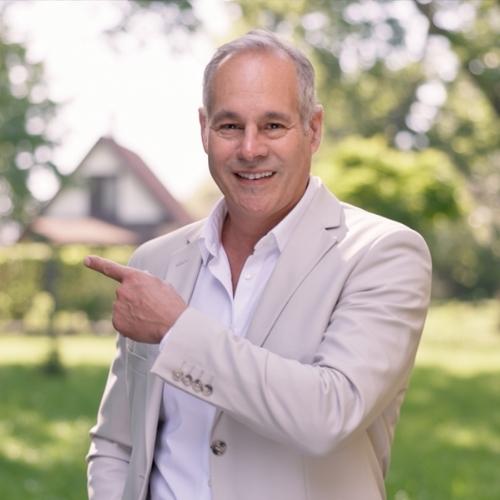
As a former cardiologist and now a dedicated realtor, I bring a unique perspective to real estate. I don’t just look at properties—I look at the bigger picture of how a home and its neighborhood will fit into your life and health.
If you’re ready to buy or sell in a community that supports your well-being, let’s talk!
📞 Contact Dr. David Reis today @david.reis@yourdoseofrealty.com. Your partner in finding a home that’s good for your heart in every way.
10 Silent Symptoms Seniors Should Never Ignore (Doctors Explain Why)
We've all heard it before: "It's just part of getting older." A little more tired than usual. A little less steady on your feet. Not really hungry today. It's easy to brush these things off, especially when your mom, dad, or grandparent insists they're fine. But...
Why Am I Always Tired After 65? 7 Hidden Causes of Senior Fatigue (And What to Do)
If you've been waking up tired even after a full night's sleep, or find yourself needing a nap just to get through the afternoon, you're not alone, and you're not imagining it. A lot of people chalk this up to "just getting older." But here's the truth: persistent...

What Your Home Says About You
Walk into someone's living room and, whether you mean to or not, you start reading them. The stack of books by the couch. The perfectly matched throw pillows. The one drawer nobody wants to open. Long before anyone says a word, their home has already started the...
12 Cozy Home Essentials for a Happier, More Relaxing Senior Living Space
There's a quiet kind of joy in a home that just feels good — the kind where the light hits softly in the afternoon, your favorite chair is exactly where you left it, and everything within reach makes daily life a little sweeter. For seniors living alone, that feeling...
Downsizing? Here’s What to Actually Do With All That Stuff
So you've made the decision to downsize. Maybe you're moving into a smaller home, helping a parent transition into senior living, or just craving a simpler life with less to manage. Congratulations — that's a big, brave step. Now comes the part nobody really prepares...