
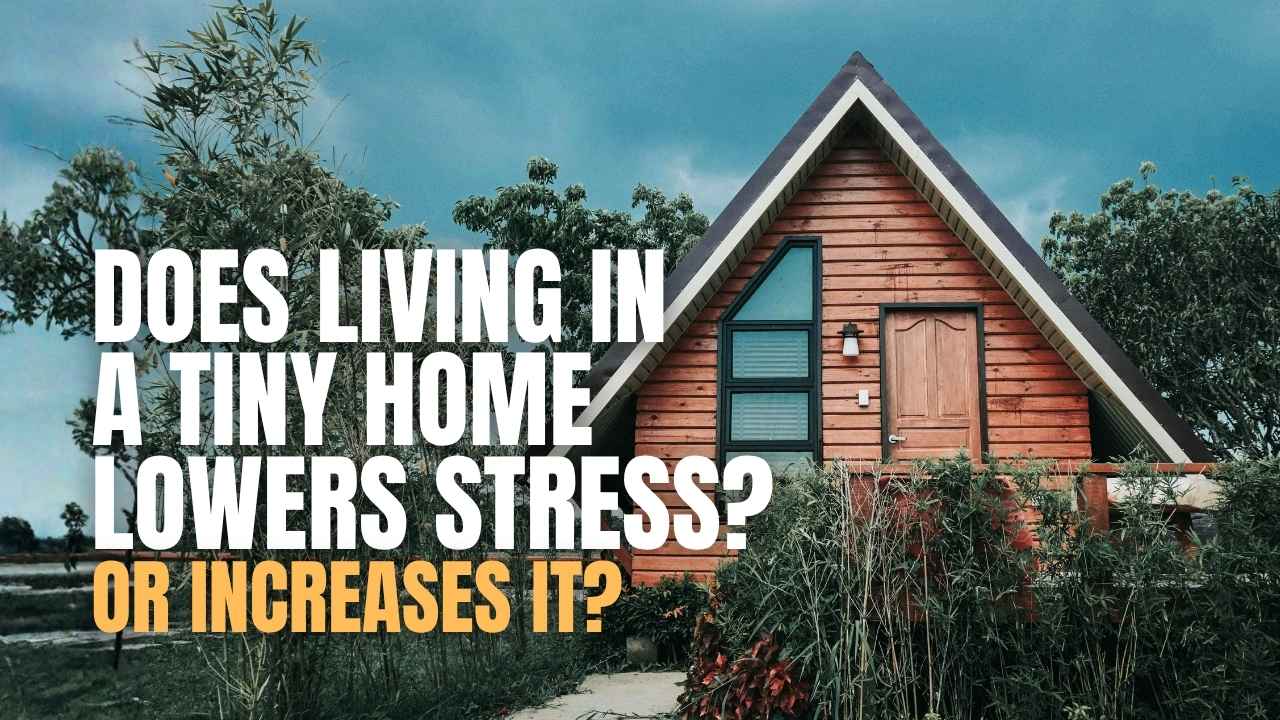

Let’s be honest — the idea of tiny home living looks peaceful, right?
A minimalist retreat in the woods. Less cleaning. Less clutter. Less debt.
In a world that’s constantly shouting “more, more, more”, downsizing seems like the ultimate stress detox.
But here’s the real question — does living in a tiny home actually lower your stress… or quietly increase it?
💡 The Minimalism Promise
Tiny homes sell a dream: fewer expenses, more freedom, and a lighter footprint.
From a financial standpoint, they make sense. The average American mortgage is over $250,000, while many tiny homes cost under $80,000. That’s a massive weight off your chest — literally and figuratively.
And from a cardiologist’s view, financial stress is one of the top triggers of chronic anxiety and heart disease.
So yes — ditching a mortgage can help your blood pressure drop a few points. Living smaller often means living slower, with more time for walks, hobbies, and deep breaths instead of traffic and overtime.
That’s the promise.
😬 The Reality Check
But here’s the catch — space isn’t just physical. It’s psychological.
When people move into 200 square feet, they sometimes discover a new kind of stress: claustrophobic tension.
Studies from environmental psychology show that crowded environments increase cortisol, the body’s main stress hormone. You might save money but lose mental space — especially if you live with a partner, kids, or even just a golden retriever that takes up half the couch.
Then there’s storage. Or should I say… the lack of it?
Clutter has been proven to raise heart rates and blood pressure, even subconsciously. A UCLA study found that women living in cluttered homes had higher cortisol levels throughout the day. So, if your “tiny” dream turns into a “Tetris” of storage boxes and laundry baskets, your stress might just multiply.
🩺 The Heart-Health Perspective
As someone who used to treat heart attacks and now helps people find homes, I can tell you this:
Stress isn’t just about your square footage — it’s about your sense of control.
A big home with a crushing mortgage can feel like a prison.
A tiny home without privacy can feel the same way.
Your heart doesn’t care about square feet — it cares about balance.
Here’s a cardiology fact that most realtors never mention: chronic stress changes heart rhythm patterns. Long-term tension can lead to irregular beats, high blood pressure, and even inflammation in your arteries. So whether you live in a mansion or a mobile home, the key is emotional spaciousness — not just physical space.
🌿 The Middle Ground
If you’re considering a tiny home, don’t think of it as “less space.” Think of it as a reset button — but only if it fits your personality and lifestyle.
Ask yourself:
-
Do I crave simplicity or do I just hate clutter?
-
Can I handle limited privacy?
-
Am I running away from stress or building a calmer routine?
Tiny home living works best for people who value mobility, minimalism, and mindfulness.
If you’re someone who finds joy in cozy spaces, nature, and lower bills, you might thrive.
But if you need elbow room, quiet corners, or love hosting friends, that same small space can feel suffocating.
❤️ The Verdict
So, does living in a tiny home lower your stress — or increase it?
The truth is: it depends on the size of your mindset, not your house.
When you align your lifestyle with your living space, your heart relaxes.
When you fight against your environment, stress takes over — no matter the square footage.
As a cardiologist turned realtor, I’ve seen both sides:
People in 5,000-square-foot homes who can’t sleep from mortgage anxiety…
And people in 250-square-foot homes who’ve never felt freer.
Your heart doesn’t measure happiness in square feet — it measures peace.
Before you downsize your home, try downsizing your stress.
That might be the renovation your heart really needs.

10 Silent Symptoms Seniors Should Never Ignore (Doctors Explain Why)
We've all heard it before: "It's just part of getting older." A little more tired than usual. A little less steady on your feet. Not really hungry today. It's easy to brush these things off, especially when your mom, dad, or grandparent insists they're fine. But...
Why Am I Always Tired After 65? 7 Hidden Causes of Senior Fatigue (And What to Do)
If you've been waking up tired even after a full night's sleep, or find yourself needing a nap just to get through the afternoon, you're not alone, and you're not imagining it. A lot of people chalk this up to "just getting older." But here's the truth: persistent...
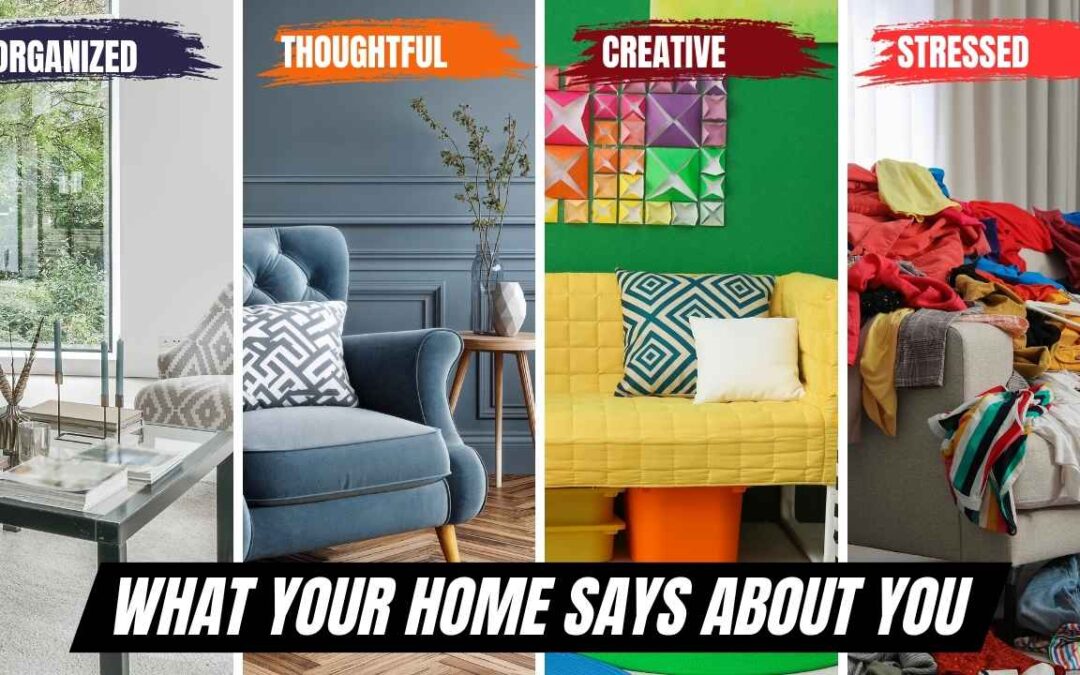
What Your Home Says About You
Walk into someone's living room and, whether you mean to or not, you start reading them. The stack of books by the couch. The perfectly matched throw pillows. The one drawer nobody wants to open. Long before anyone says a word, their home has already started the...
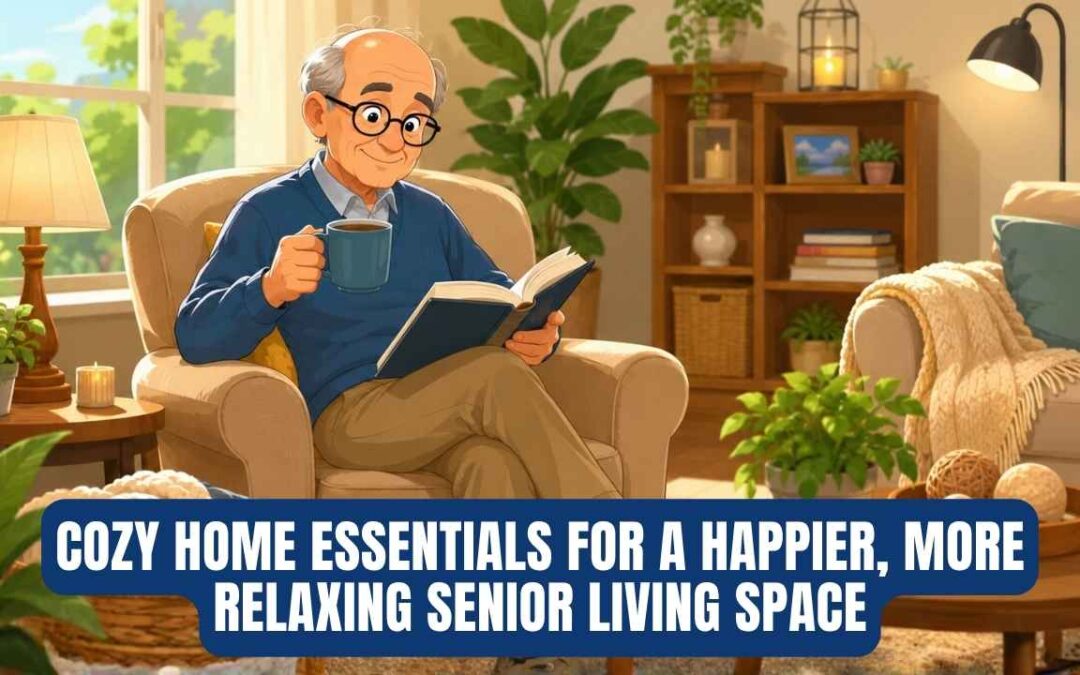
12 Cozy Home Essentials for a Happier, More Relaxing Senior Living Space
There's a quiet kind of joy in a home that just feels good — the kind where the light hits softly in the afternoon, your favorite chair is exactly where you left it, and everything within reach makes daily life a little sweeter. For seniors living alone, that feeling...
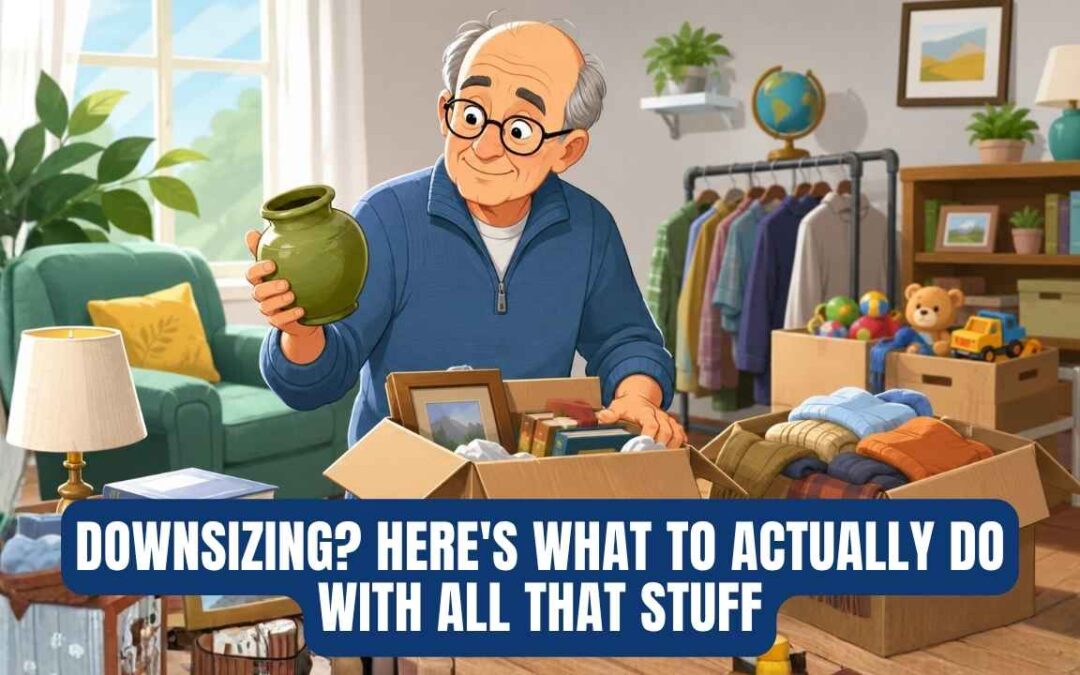
Downsizing? Here’s What to Actually Do With All That Stuff
So you've made the decision to downsize. Maybe you're moving into a smaller home, helping a parent transition into senior living, or just craving a simpler life with less to manage. Congratulations — that's a big, brave step. Now comes the part nobody really prepares...