

When I tell people that downsizing can heal your heart, they usually think I’m speaking in metaphors. But I’m not. I mean it quite literally — both emotionally and physiologically.
As a cardiologist turned realtor, I’ve seen something fascinating over the years: the same people who feel “lighter” after selling their oversized homes also start feeling healthier. Their blood pressure drops, their sleep improves, and that constant tightness in their chest — whether from stress or clutter — starts to fade.
So let’s talk about why that happens.
🏠 Big House, Big Pressure
For years, society told us bigger was better. The bigger the house, the more successful we looked. But what we weren’t told was that bigger often means heavier — heavier responsibilities, heavier mortgages, and heavier stress loads.
Think about it: maintaining a large home takes time, energy, and money. That leaky roof, the endless yard work, the property taxes that rise faster than your heart rate after a double espresso — it all adds up.
And the body keeps score.
Chronic stress, even from something as “normal” as financial pressure or constant upkeep, triggers the same physiological response as a medical emergency: increased cortisol, higher blood pressure, and a faster heartbeat. Over time, that stress wears you down.
❤️ Smaller Space, Bigger Peace
When people downsize, something remarkable happens.
I had a client once, a retired teacher, who sold her 4-bedroom home after 30 years. She moved into a cozy two-bedroom cottage near her favorite walking trail. Within months, she told me, “I feel like I can breathe again.”
She wasn’t just talking about her schedule — she was talking about her heart.
With fewer rooms to clean, fewer bills to pay, and no more stairs to climb, her body relaxed. Her stress hormones dropped, her sleep normalized, and her heart rhythm stabilized.
Science backs this up. Studies show that reducing chronic stress improves heart health, boosts immunity, and even slows aging. Downsizing, for many, isn’t just about saving money — it’s about saving themselves.
🧘 Emotional Weight Is Real Weight
We often underestimate the emotional burden of “stuff.” Every closet, drawer, and storage bin holds more than objects — they hold memories, attachments, sometimes even guilt.
Letting go of those things can feel painful at first, but it’s also profoundly freeing. When people declutter their homes, they often describe it as “shedding a layer.” As a doctor, I can tell you: the body mirrors the mind.
Less clutter means less sensory overload, lower stress, and calmer heart rhythms. It’s the biology of simplicity.
🌅 A New Chapter, Not a Step Back
Some people see downsizing as a loss — a symbol of aging or “scaling down” life. I see it differently. It’s a reset.
You’re not losing space; you’re gaining clarity. You’re trading square footage for peace of mind. You’re choosing to live intentionally rather than maintain what no longer serves you.
And that decision — to release the excess and focus on what truly matters — is one of the most heart-healing choices you can make.
💬 From My Heart to Yours
I’ve spent decades listening to heartbeats — both literal and metaphorical. And here’s what I’ve learned: our hearts crave simplicity. They thrive on rhythm, calm, and connection, not chaos.
So if your home has become more of a burden than a blessing, maybe it’s time to ask yourself — what would it feel like to let go?
Maybe less really is more.
Downsizing isn’t just about moving into a smaller house. It’s about moving into a lighter, freer, and healthier version of yourself.

Is Family the Best Caregiver? The Truth Every Senior and Family Should Know Before Making the Decision
Caring for an aging parent or loved one is one of the most meaningful responsibilities a family can take on. Many people assume that family members automatically make the best caregivers, but the reality is far more complex. Love is important—but effective caregiving...
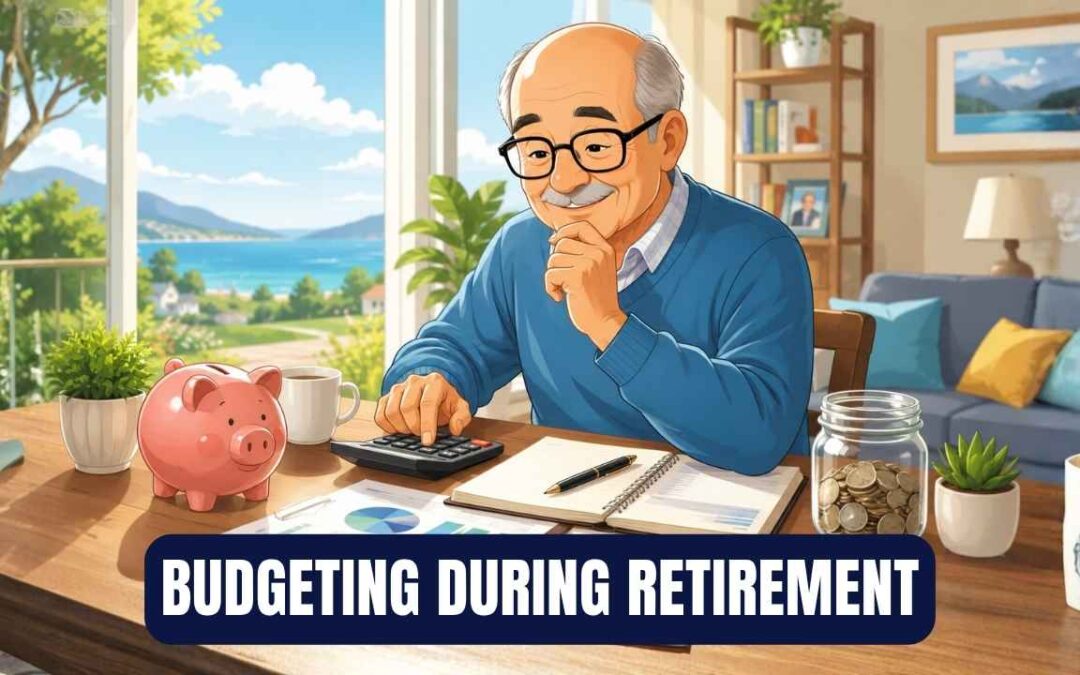
Budgeting During Retirement: 10 Smart Ways Seniors Can Make Their Money Last Longer
Retirement should be a time to enjoy life—not constantly worry about money. Yet rising housing costs, healthcare expenses, groceries, and inflation can quickly put pressure on a fixed income. According to many financial planners, retirees who regularly review and...

Is “Aging Gracefully” a Scam? The Truth Behind Growing Older
Estimated reading time: 2 minutes The phrase "aging gracefully" sounds positive—but what does it actually mean? For some people, it means accepting wrinkles and gray hair. For others, it feels like another unrealistic expectation that tells older adults how they're...

Will Robots Replace Caregivers? The Truth About AI and Senior Care
Artificial intelligence and robotics are advancing faster than ever. From robotic companions to machines that remind seniors to take medication, the future of caregiving is already taking shape. But does that mean robots will completely replace human caregivers? The...
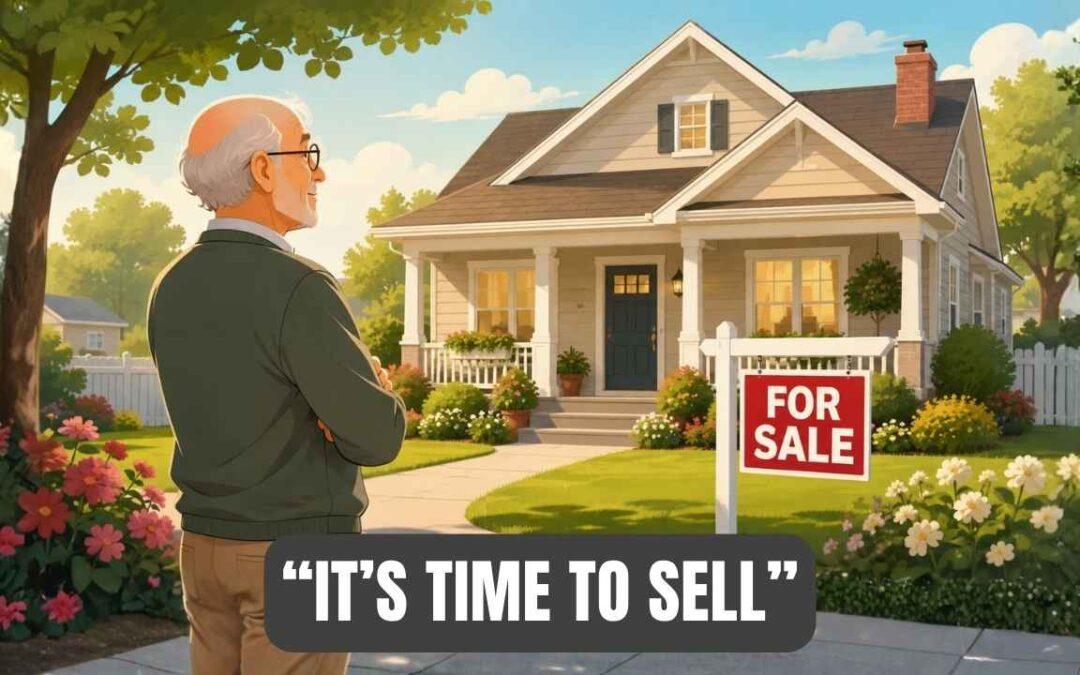
It’s Time to Sell My House: 10 Clear Signs It’s the Right Time to Move On
It's Time to Sell My House: 10 Clear Signs It's the Right Time to Move On Selling a home isn't always about the market. Sometimes it's about your finances, your lifestyle, your health—or simply finding peace of mind. While no one can perfectly predict the best time to...