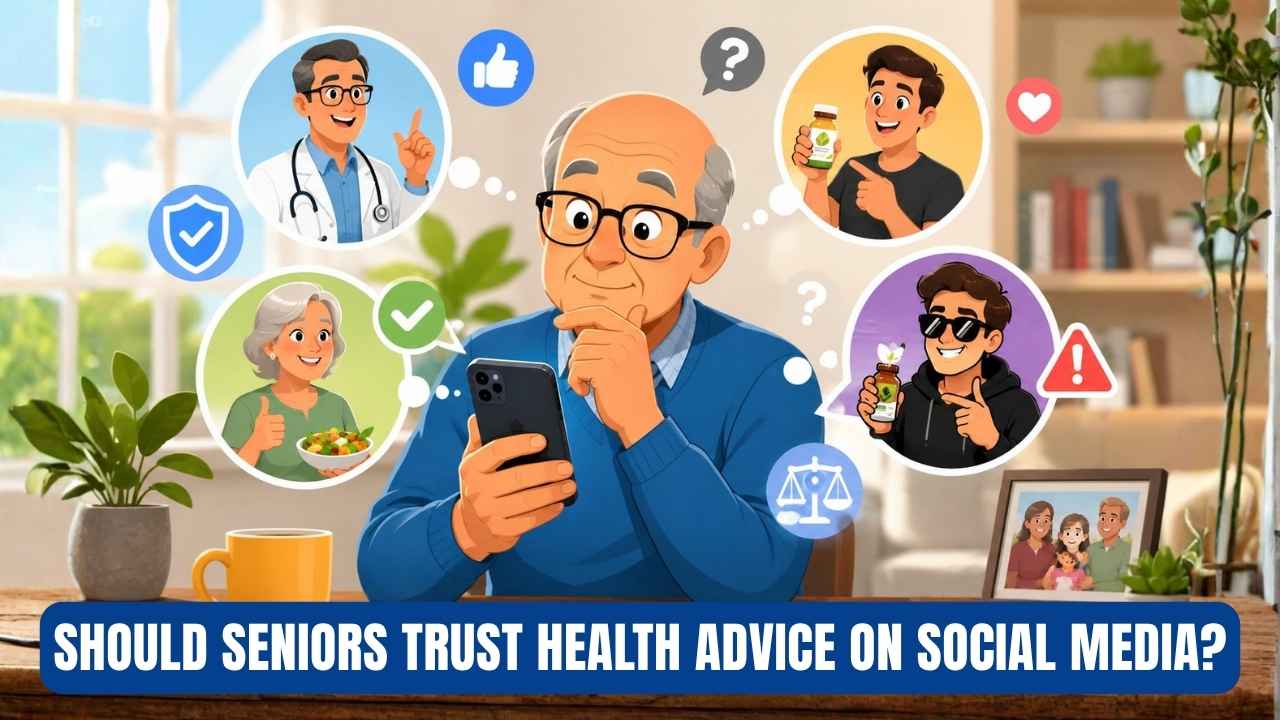

Social media has become one of the most popular places to learn about health. From miracle arthritis cures on Facebook to diabetes “reversing” videos on YouTube, seniors are constantly exposed to health advice.
The problem?
Not all health information online is true.
A single misleading post can convince someone to stop taking prescribed medication, spend thousands on ineffective supplements, or delay seeing a doctor until a condition becomes serious.
According to research, older adults are particularly vulnerable to online misinformation because they are more likely to trust information shared by friends and family and may have lower digital health literacy.
Why Seniors Are Frequently Targeted
Older adults often search for answers about:
- Joint pain
- High blood pressure
- Diabetes
- Memory loss
- Vision problems
- Heart disease
- Natural remedies
Unfortunately, scammers and misleading influencers know this.
They often advertise:
- “Doctors hate this trick!”
- “Reverse diabetes in 7 days.”
- “This one fruit melts arthritis.”
- “Stop taking your blood pressure pills.”
If it sounds too good to be true, it probably is.
The Real Cost of Believing Bad Advice
Imagine this scenario:
John, age 72, lives alone.
He watches a viral video claiming cinnamon supplements can replace diabetes medication.
He stops taking his prescription.
Three months later:
- Emergency room visit: approximately $2,000–$4,000
- Hospital stay (2–3 days): $10,000–$30,000+
- Follow-up appointments and lab tests: $300–$1,000
- Lost health and recovery time: priceless
The “miracle” supplement that cost only $40 ended up costing tens of thousands of dollars.
Actual healthcare costs vary by country, insurance coverage, hospital, and medical condition, but hospitalization is almost always far more expensive than routine preventive care.
Couples vs. Living Alone
Seniors Living Alone
Living alone has advantages, but it also means no one may question misleading health advice.
Example:
Susan reads on Facebook that vaccines are dangerous.
Without discussing it with anyone, she cancels her vaccination appointment.
Months later, she develops a preventable illness requiring hospitalization.
Senior Couples
Couples often make health decisions together.
This can be beneficial—but only if both verify information.
Example:
Bill finds a video promoting an expensive “memory supplement.”
His wife researches it using trusted medical websites and discovers there is little scientific evidence supporting its claims.
Together, they avoid spending $150–300 every month on an unproven product.
Five Questions to Ask Before Believing Health Advice
1. Who Posted It?
Trust:
- Licensed physicians
- Hospitals
- Government health agencies
- Universities
Be cautious of:
- Anonymous accounts
- Influencers selling products
- “Secret cure” pages


2. Is There Scientific Evidence?
Reliable health advice usually references:
- Clinical studies
- Medical journals
- Professional organizations
Poor advice often relies only on:
“It worked for me.”
One person’s experience is not scientific proof.


3. Are They Trying to Sell Something?
Be skeptical when every post ends with:
- Buy now
- Limited offer
- Secret formula
- Doctor-approved supplement
Many supplement companies earn money through affiliate commissions rather than medical expertise.
4. Does Your Doctor Agree?
Your physician knows:
- Your medications
- Allergies
- Medical history
- Current conditions
A social media influencer does not.
Always ask before:
- Stopping medication
- Starting supplements
- Trying extreme diets


5. Can Multiple Trusted Sources Confirm It?
If only one person is making the claim, be cautious.
Reliable information is usually supported by several trusted medical organizations.
Common Myths Seniors See Online
| Myth | Reality |
|---|---|
| Natural means safe | Natural products can interact with prescription medications. |
| Supplements cure diseases | Most supplements help only in specific situations and are not cures. |
| One food reverses aging | No food can stop the aging process. |
| Detox drinks remove toxins | Your liver and kidneys already perform detoxification. |
| Stop medication once you feel better | Many chronic conditions require lifelong treatment. |
Protect Yourself From Medical Scams
Medical misinformation can also lead to financial scams.
The U.S. Federal Trade Commission reports that older adults continue to lose significant amounts of money to scams, with reports involving losses of $10,000 or more increasing dramatically in recent years.
Before buying:
- Read independent reviews.
- Check whether the product has credible clinical evidence.
- Discuss it with your healthcare provider.
- Never feel pressured into making an immediate purchase.
Final Thoughts
Social media can be an excellent source of health education—but only when the information comes from credible experts and is supported by evidence.
When your health is involved, curiosity is valuable, but verification is essential.
A five-minute conversation with your doctor today could prevent thousands of dollars in medical bills—and potentially save your life.
Disclaimer
This article is intended for educational and informational purposes only and should not be considered medical, legal, or financial advice. Health information changes over time, and individual circumstances vary. Always consult a qualified physician or other licensed healthcare professional before starting, stopping, or changing any medication, supplement, treatment, diet, or exercise program. Product prices and healthcare costs mentioned are approximate averages and may vary by country, region, insurance coverage, provider, and individual medical needs.

10 Body Changes After 60 Worth Discussing With Your Doctor
Download these helpful checklists to guide you through your buying and selling journey.Home Buyer's ChecklistHome Seller's ChecklistMistakes To Avoid
Morning Headaches in Seniors: 9 Causes, Warning Signs and What to Do
Download these helpful checklists to guide you through your buying and selling journey.Home Buyer's ChecklistHome Seller's ChecklistMistakes To Avoid
Sudden Weight Gain From Fluid Retention: Causes, Warning Signs & What to Do
Download these helpful checklists to guide you through your buying and selling journey.Home Buyer's ChecklistHome Seller's ChecklistMistakes To Avoid
Download these helpful checklists to guide you through your buying and selling journey.

Home Buyer’s Checklist

Home Seller’s Checklist

Mistakes To Avoid