
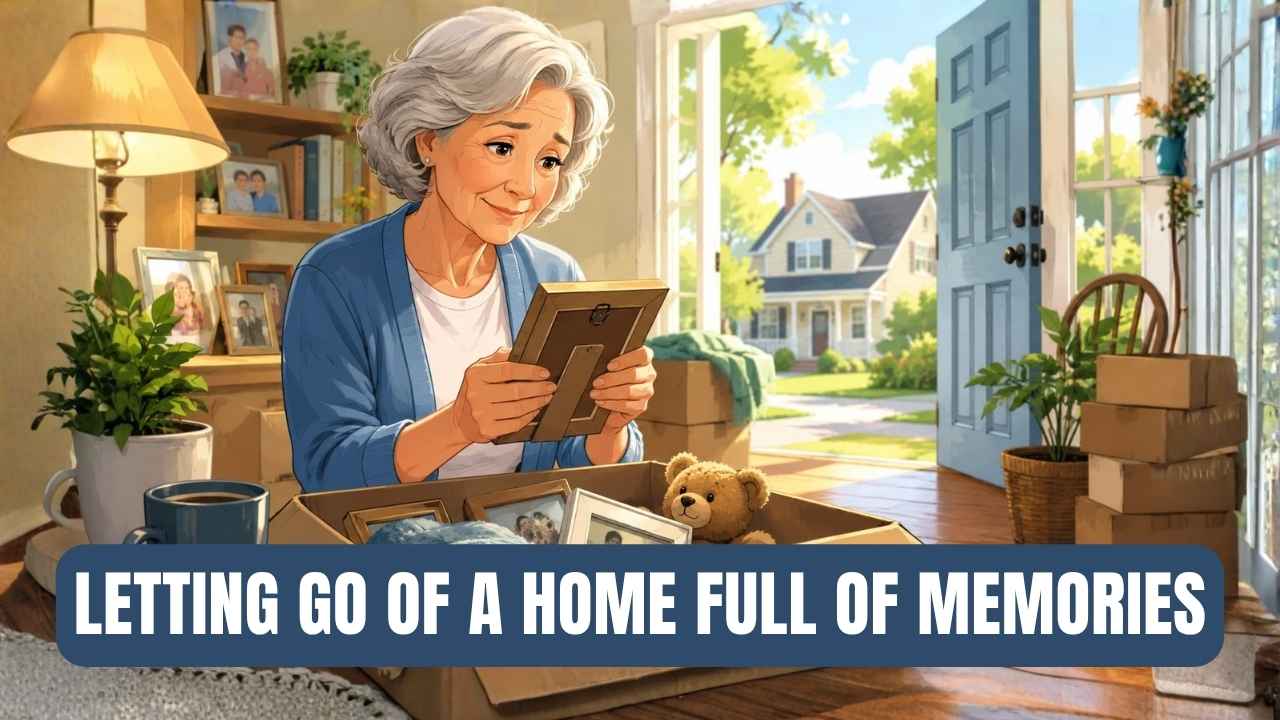

For many older adults, a home is much more than a building. It is where children took their first steps, holidays were celebrated, milestones were reached, and countless memories were made. According to housing and aging experts, the emotional attachment to a home is often one of the biggest obstacles seniors face when considering downsizing or relocating.
While letting go can be difficult, it can also open the door to greater financial freedom, less maintenance, improved safety, and a lifestyle that better fits current needs.
1. Understand Why the Move Is Necessary
Before making any decisions, identify the reasons for moving. Common reasons include:
- Lower housing expenses
- Reduced maintenance responsibilities
- Health and mobility concerns
- Moving closer to family
- Access to healthcare and services
Understanding the purpose behind the move can help make the emotional process easier.

Solution
Write down three specific benefits the move will provide. Focus on what you are gaining rather than what you are leaving behind.
2. Separate Memories From Possessions
Many people fear that selling a home means losing their memories. In reality, memories are stored in experiences, photographs, and relationships—not in walls or furniture.
A dining room table may remind you of family gatherings, but the memories remain even if the table does not.

Solution
Create memory books, digital photo collections, or video recordings of stories associated with special items.
3. Start Decluttering Early
Experts often recommend beginning the downsizing process several months before a move. Waiting until the last minute can create stress and rushed decisions.

Solution
Use the “Keep, Donate, Sell, Gift” method for every room in the home.
4. Preserve Important Family History
Many homes contain family heirlooms, letters, photographs, and keepsakes that may have historical or sentimental value.

Solution
Select a small number of meaningful items and pass special pieces to children or grandchildren while sharing the stories behind them.
5. Focus on the Next Chapter
Research on successful aging suggests that maintaining purpose and social connections is often more important than the physical home itself.
A new home can create opportunities for:
- New friendships
- Easier living
- More travel
- Less stress
- Increased independence

Solution
Create a list of experiences you hope to enjoy after the move and keep it visible throughout the transition.
6. Give Yourself Permission to Grieve
Selling a longtime home can feel similar to losing a chapter of life. Feelings of sadness, nostalgia, and even guilt are normal.
Acknowledging these emotions can make the adjustment healthier and easier.

Solution
Take photographs of each room before moving and consider holding a farewell gathering with family and friends.
Final Thoughts
Letting go of a home full of memories is rarely about real estate alone. It is about honoring the past while preparing for the future. The goal is not to forget the memories created inside the home but to carry them forward into the next stage of life.
Many seniors discover that after the initial transition, they experience less stress, greater freedom, and more time to focus on what matters most—family, health, friendships, and new experiences.
Disclaimer
This article is intended for informational and educational purposes only and should not be considered legal, financial, tax, real estate, estate-planning, or healthcare advice. Every individual’s circumstances are unique. Readers should consult qualified professionals, including attorneys, financial advisors, tax professionals, healthcare providers, and licensed real estate professionals before making decisions regarding housing, downsizing, estate planning, or retirement.

10 Body Changes After 60 Worth Discussing With Your Doctor
Download these helpful checklists to guide you through your buying and selling journey.Home Buyer's ChecklistHome Seller's ChecklistMistakes To Avoid

Morning Headaches in Seniors: 9 Causes, Warning Signs and What to Do
Download these helpful checklists to guide you through your buying and selling journey.Home Buyer's ChecklistHome Seller's ChecklistMistakes To Avoid

Sudden Weight Gain From Fluid Retention: Causes, Warning Signs & What to Do
Download these helpful checklists to guide you through your buying and selling journey.Home Buyer's ChecklistHome Seller's ChecklistMistakes To Avoid
Download these helpful checklists to guide you through your buying and selling journey.

Home Buyer’s Checklist

Home Seller’s Checklist

Mistakes To Avoid