
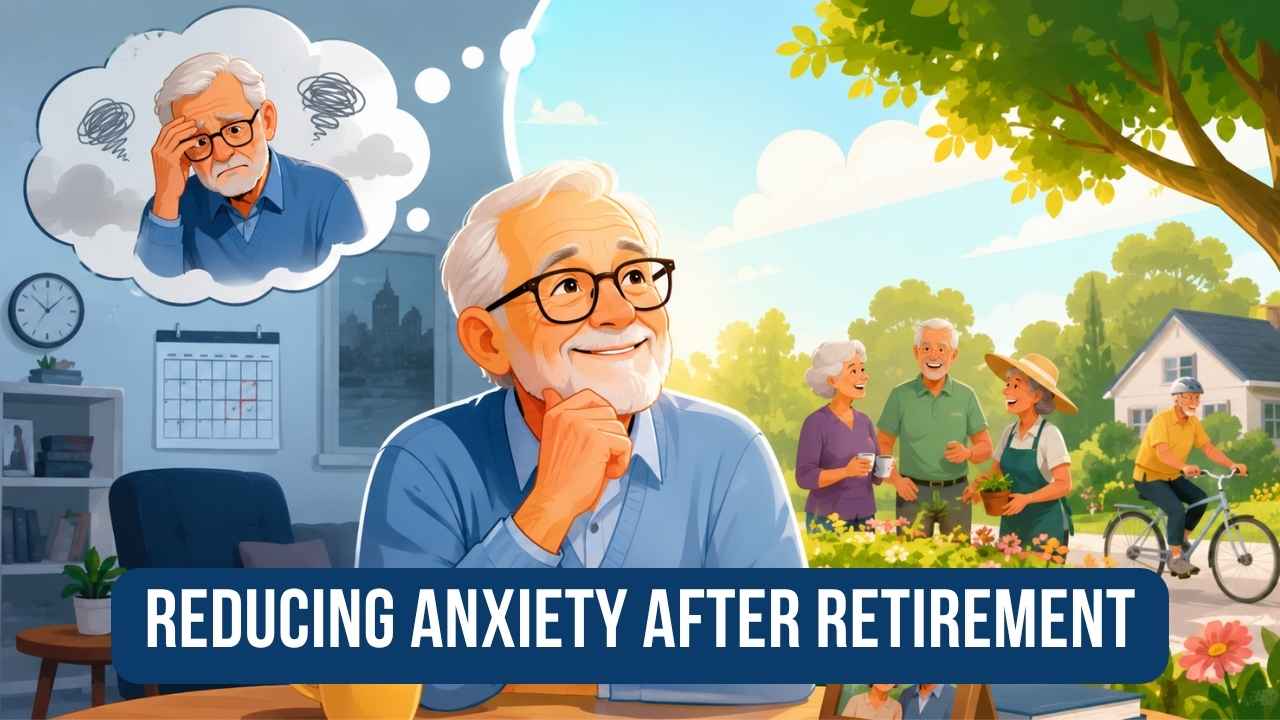
For many people, retirement sounds like the beginning of freedom and relaxation. But for some seniors, it can also bring unexpected stress, loneliness, uncertainty, and anxiety. Leaving behind a long-time career may create emotional changes that affect mental wellness, daily routines, confidence, and even physical health.
According to mental health experts, retirement anxiety is common because work often provides structure, social interaction, identity, and financial stability. The good news is that there are healthy and practical ways to reduce anxiety and improve quality of life during retirement.
Here are several proven strategies that can help seniors feel more emotionally balanced, connected, and fulfilled.
1. Create a Daily Routine
One major reason anxiety increases after retirement is the sudden loss of structure. A predictable routine can help seniors feel grounded and productive.
Simple activities like morning walks, reading, gardening, meal preparation, exercise, or volunteering can create stability and purpose throughout the day.


2. Stay Socially Connected
Isolation and loneliness are strongly linked to anxiety and depression in older adults. Maintaining social connections can improve emotional wellness and cognitive health.
Seniors can benefit from joining community groups, attending church events, spending time with family, participating in hobby clubs, or simply making regular phone calls with friends.


3. Stay Physically Active
Physical activity helps reduce stress hormones while improving mood and sleep quality. Exercise also supports heart health, mobility, balance, and brain function.
Even light activities such as stretching, walking, yoga, swimming, or chair exercises can have significant mental health benefits for seniors.


4. Focus on Purpose and Meaning
Many retirees experience anxiety because they no longer feel needed or productive. Finding a sense of purpose can improve confidence and emotional stability.
Some seniors discover fulfillment through mentoring, volunteering, caring for grandchildren, creative hobbies, faith-based activities, or learning new skills.


5. Manage Financial Stress Early
Financial uncertainty is one of the leading causes of retirement anxiety. Creating a realistic budget and speaking with a financial professional may help reduce worry and improve peace of mind.
Organizing expenses, simplifying bills, downsizing when necessary, and preparing emergency savings can help seniors feel more secure.


6. Improve the Home Environment
A calm, organized, and safe home environment can greatly reduce stress and anxiety. Natural lighting, decluttering, comfortable furniture, and fall-prevention upgrades can improve both emotional wellness and physical safety.
A peaceful home often supports better sleep, relaxation, and independence.


Final Thoughts
Retirement is a major life transition, and feeling anxious during this stage is more common than many people realize. The key is recognizing those feelings early and making intentional lifestyle changes that support emotional wellness, physical health, and meaningful daily living.
With healthy routines, strong social connections, physical activity, and a supportive home environment, retirement can become a fulfilling and rewarding chapter of life.
Disclaimer
This article is intended for informational and educational purposes only and should not be considered medical, psychological, legal, or financial advice. Always consult with a licensed healthcare provider, mental health professional, or financial advisor regarding your specific situation, symptoms, or concerns. If you or a loved one are experiencing severe anxiety, depression, or emotional distress, seek professional help immediately.

10 Body Changes After 60 Worth Discussing With Your Doctor
Download these helpful checklists to guide you through your buying and selling journey.Home Buyer's ChecklistHome Seller's ChecklistMistakes To Avoid
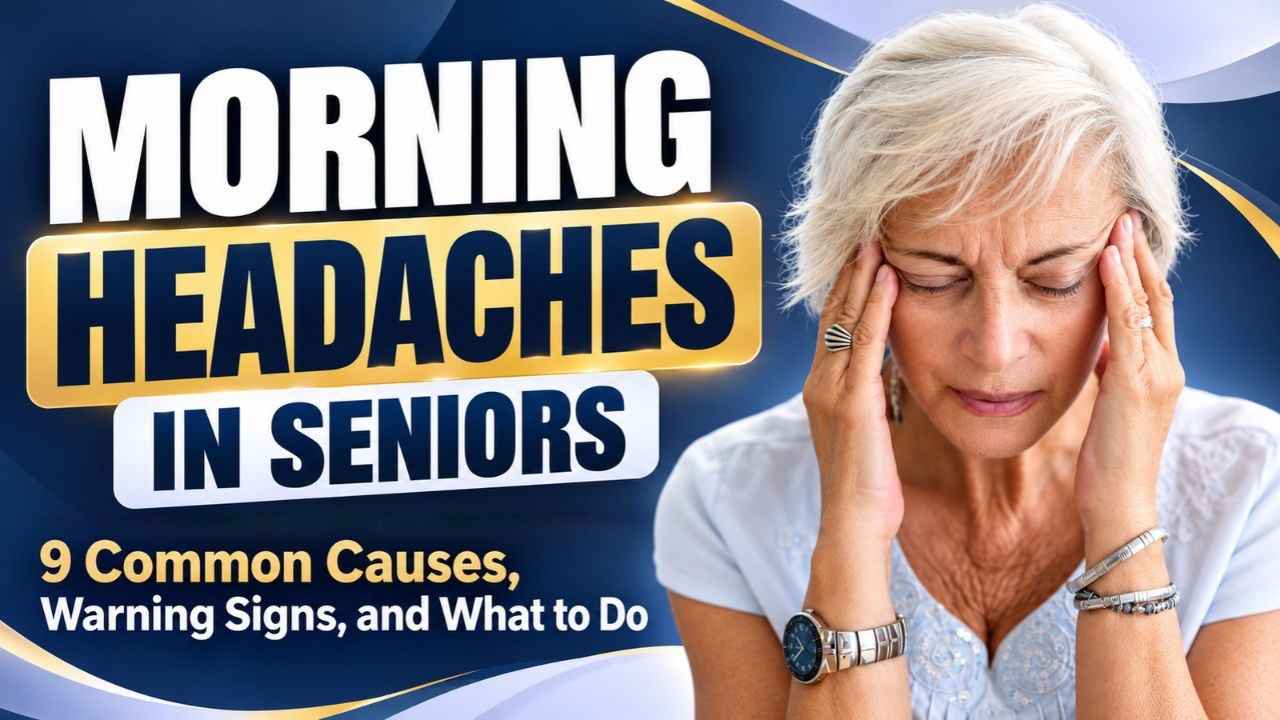
Morning Headaches in Seniors: 9 Causes, Warning Signs and What to Do
Download these helpful checklists to guide you through your buying and selling journey.Home Buyer's ChecklistHome Seller's ChecklistMistakes To Avoid
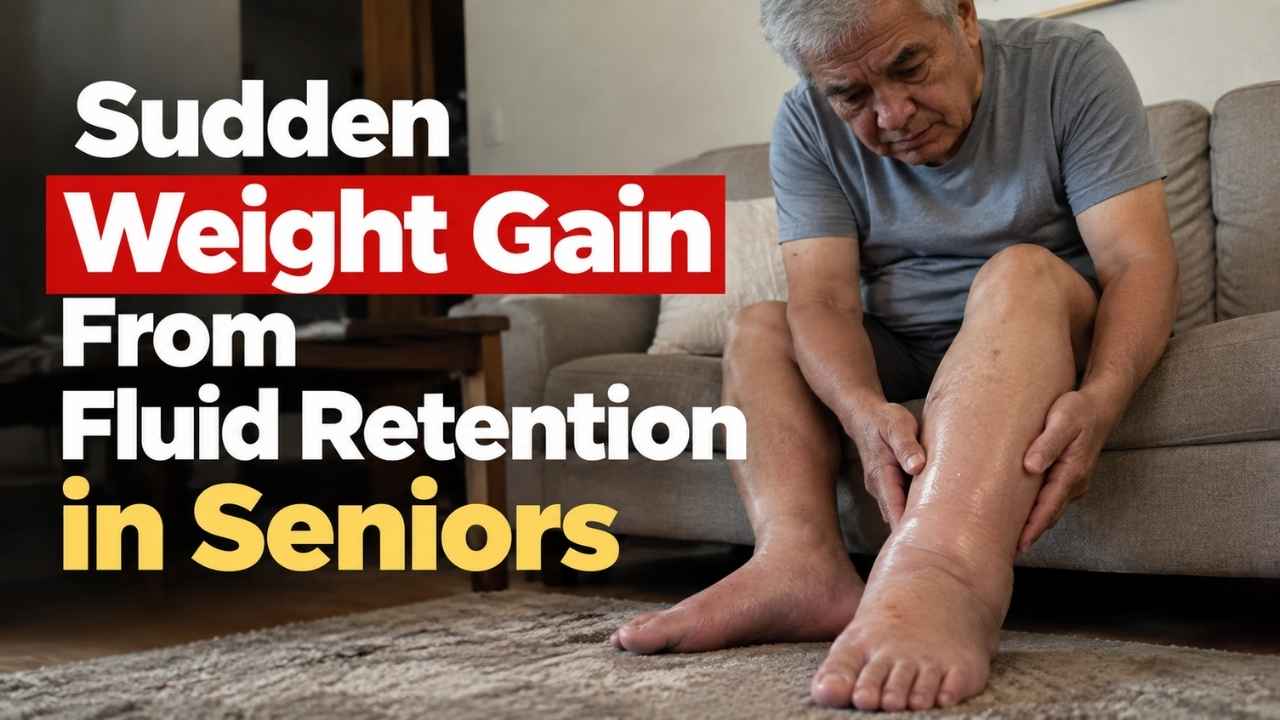
Sudden Weight Gain From Fluid Retention: Causes, Warning Signs & What to Do
Download these helpful checklists to guide you through your buying and selling journey.Home Buyer's ChecklistHome Seller's ChecklistMistakes To Avoid
Download these helpful checklists to guide you through your buying and selling journey.

Home Buyer’s Checklist

Home Seller’s Checklist
Mistakes To Avoid