

As we enter our golden years, life has a way of teaching us what truly matters. For many seniors, this means trading in the large family home filled with decades of memories for a smaller, more manageable space. But downsizing doesn’t mean downgrading—far from it. In fact, choosing a smaller home can dramatically improve your quality of life, both emotionally and physically.
And as someone who has spent years caring for hearts as a cardiologist and now helps families find homes as a realtor, I’ve seen firsthand how the right living space can lead to a healthier, happier lifestyle.
1. Less Stress, More Peace
Large homes often come with large responsibilities—endless cleaning, yard work, and maintenance. These tasks may have been manageable in your 40s, but in your 60s or 70s, they can become stressful and physically demanding. Stress isn’t just inconvenient—it directly affects your heart health. A smaller home naturally reduces these burdens, giving you more time for relaxation, hobbies, and enjoying life.
2. Financial Freedom
Downsizing often means lower mortgage payments—or none at all if you’ve built equity over the years. Add in reduced utility bills, property taxes, and maintenance costs, and suddenly you have extra money for travel, family, or investing in experiences that bring joy. Financial security is one of the best medicines for peace of mind.
3. A Heart-Healthy Lifestyle
Did you know that clutter and disorganization have been linked to higher stress and blood pressure? A smaller home encourages simplicity and organization, reducing the mental weight of “too much stuff.” This lighter lifestyle supports better overall health, including your cardiovascular system. And with less time spent maintaining your home, you can dedicate more time to physical activity—whether it’s walking in your neighborhood, gardening, or joining a fitness class.
4. Accessibility and Safety
Many larger homes have stairs, long hallways, or layouts that become inconvenient with age. A smaller, senior-friendly home often means single-level living, fewer tripping hazards, and easier access to everyday necessities. It’s a choice that helps maintain independence and reduces the risk of accidents, giving you and your loved ones peace of mind.
5. Closer Connections
When you downsize, you also open the door to choosing a community that fits your current lifestyle. Maybe it’s a vibrant 55+ community with social activities, or a cozy condo near your children and grandchildren. Either way, a smaller home fosters more connection and less isolation, which is just as important for your heart as diet and exercise.
Why Work With a Realtor Who’s Also a Cardiologist?
I’m Dr. David Reis—a cardiologist turned realtor. My medical background gives me a unique perspective: I don’t just help you buy or sell a house, I help you choose a home that supports your health, happiness, and long-term well-being.
Downsizing isn’t just a financial or lifestyle decision—it’s a health decision too. With my dual expertise, I can guide you toward a home that fits your medical, emotional, and financial needs in this new chapter of life.
Ready to Make the Move?
If you’re thinking about downsizing or exploring homes that better fit your lifestyle as a senior, I’d love to help. Together, we’ll find a home that gives you the freedom, comfort, and peace of mind you deserve.
📞 Call Dr. David Reis today to discuss your real estate needs—and let’s find the perfect home for your heart.
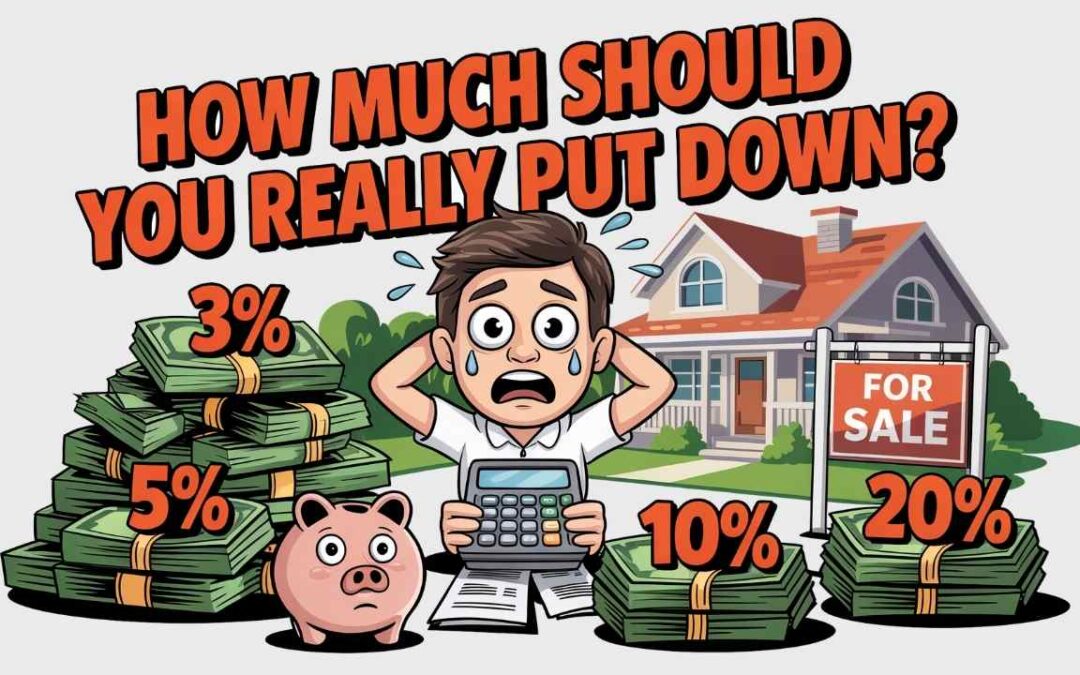
Down Payment Options: 3%, 5%, 10%, or 20%: What’s Best for You?
One of the biggest myths in real estate?“You need 20% down to buy a home.” That’s not always true. While a 20% down payment has advantages, many buyers — especially first-time homebuyers — purchase homes with far less. According to the National Association of Realtors...
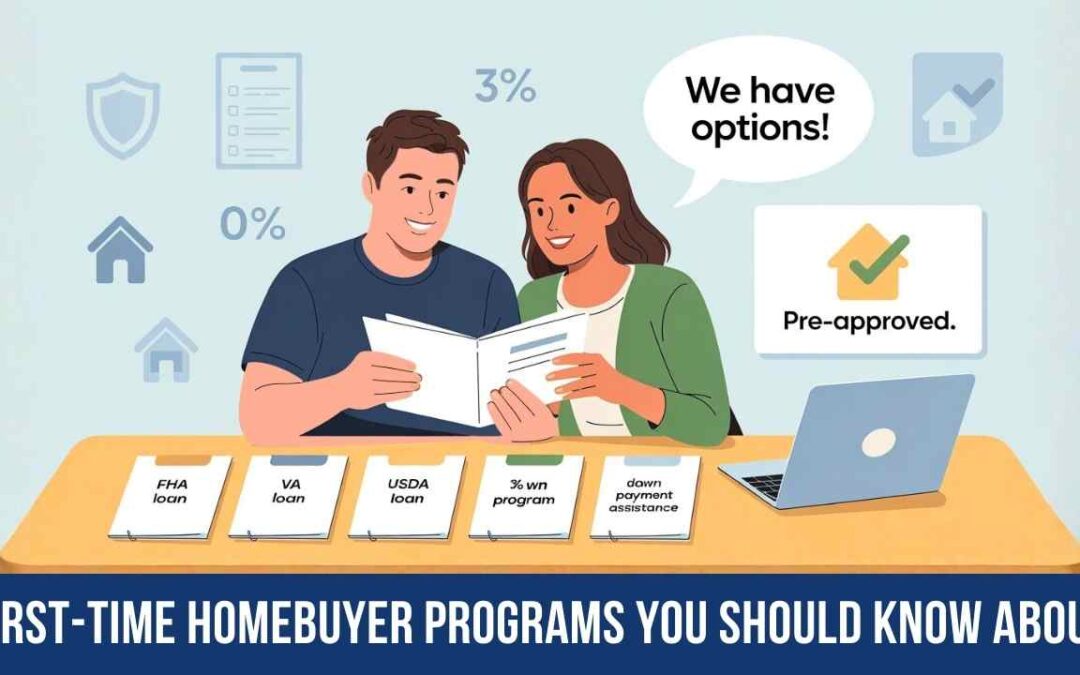
First-Time Homebuyer Programs You Should Know About
Buying your first home can feel overwhelming — especially when you start hearing terms like FHA, conventional 97, DPA, or USDA. The good news? There are legitimate, government-backed and lender-supported programs specifically designed to help first-time buyers get...
What Happens After You Submit an Offer?
You found the home. You ran the numbers. You submitted the offer. Now what? For many buyers, this is the most anxiety-producing part of the process. The house feels emotionally “yours,” but legally, nothing is final yet. Let’s walk through what actually happens after...

Commercial and Residential
Referral Division
Download Fair Housing Notice

Master Disclaimer
The views, opinions, and summary statements expressed in the contents of this website are those only of the noted presenter(s) (herein referenced as “opinion”) and do not represent official policy or policy positions of eXp World Holdings, it’s subsidiaries or vendor partners or clients (herein reference as “eXp”).
The contents of the media presented on this website and any media cross referenced as related to David G. Reis carry such disclaimers as above.
Quantitative information regarding real estate listings or industry statistics has been derived from source documents with appropriate permissions.
The accuracy of such information is the responsibility of the authors/owners of such source documents.
The media in this website makes no representation of the operational and business models,
expenses or financial success of licensed real estate professionals at, joining, or considering joining eXp.