
A practical guide to protecting your investment before you fall in love with the kitchen.
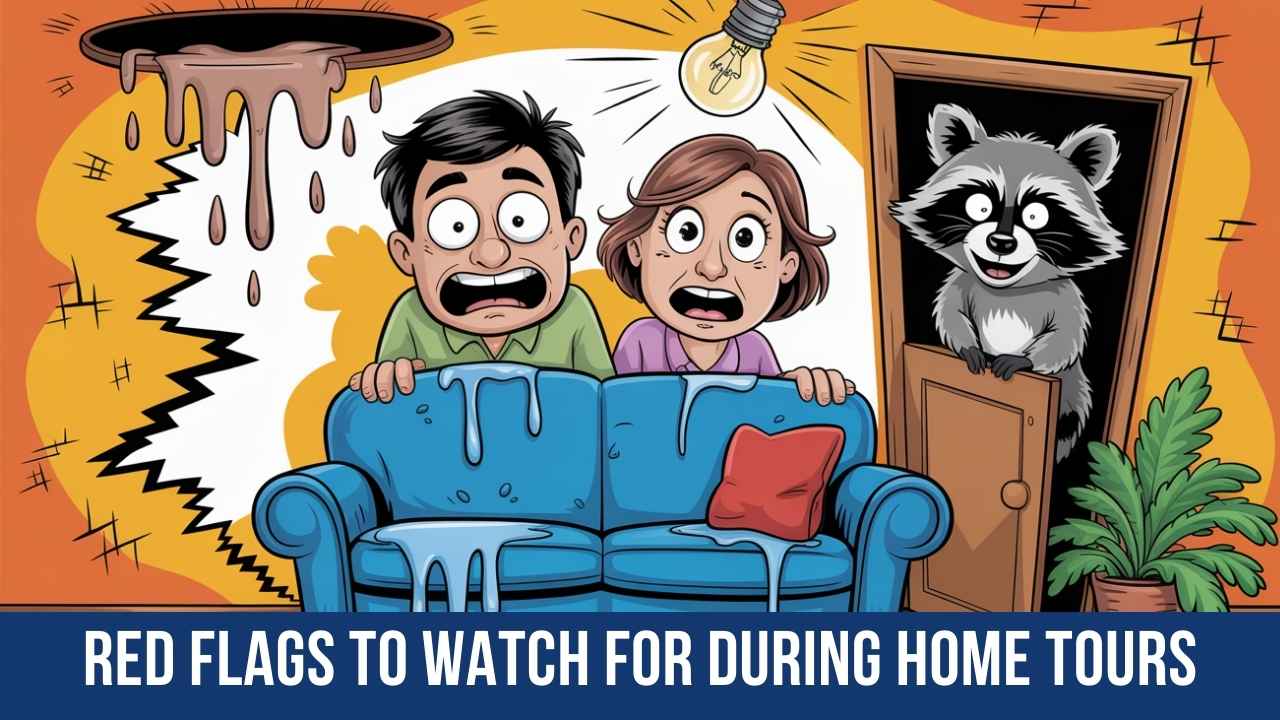
House hunting is exciting. It’s easy to focus on the staging, the lighting, and that perfect backyard. But during a home tour, your job isn’t just to imagine where your couch will go — it’s to quietly inspect.
According to the National Association of Realtors (NAR), buyers typically tour multiple homes before making an offer. The challenge? Emotional decisions can override objective judgment. Meanwhile, the American Society of Home Inspectors (ASHI) reports that many major home defects are visible during showings — if you know what to look for.
Here’s what to watch carefully.
🚩 1. Water Damage (The Most Expensive “Small” Problem)
Water issues are among the costliest home repairs. The Insurance Information Institute notes that water damage and freezing claims are among the most common homeowner insurance claims.
Look for:
-
Stains on ceilings or walls (yellow or brown discoloration)
-
Warped floors or buckling wood
-
A musty smell (possible mold)
-
Fresh paint patches in isolated spots
-
Water marks in the basement or around windows
A freshly painted ceiling might look clean — but ask why it was painted.
🚩 2. Cracks That Signal Structural Issues
Not all cracks are equal.
Generally minor:
-
Hairline cracks in drywall (common from settling)
More concerning:
-
Large horizontal cracks in foundation walls
-
Stair-step cracks in brick
-
Doors or windows that don’t close properly
-
Sloping or uneven floors
The Federal Emergency Management Agency (FEMA) highlights that foundation movement can worsen over time, especially in areas prone to flooding or soil expansion.
When in doubt, bring in a structural engineer during inspection.
🚩 3. Roof Problems
Roofs are expensive. Replacement can cost thousands.
From the ground (or upstairs window), check for:
-
Missing or curling shingles
-
Sagging rooflines
-
Dark streaks or moss growth
-
Water stains in the attic
According to ASHI, roof age and condition are among the most common major findings in inspections.
If the roof is near the end of its lifespan (typically 20–30 years for asphalt shingles), factor that into your negotiation.
🚩 4. Electrical & Plumbing Warning Signs
These systems are costly to repair and sometimes hidden behind walls.
Electrical red flags:
-
Flickering lights
-
Warm or buzzing outlets
-
Outdated fuse box instead of circuit breakers
-
Overuse of extension cords
Plumbing red flags:
-
Low water pressure
-
Slow drains
-
Visible corrosion on pipes
-
Water heater older than 10–12 years
The U.S. Consumer Product Safety Commission notes that outdated electrical systems increase fire risk, particularly in older homes.
🚩 5. Poor Ventilation or Mold Risk
Mold isn’t always visible — but moisture clues are.
Check:
-
Bathroom exhaust fans (do they work?)
-
Kitchen ventilation
-
Condensation on windows
-
Black spots in corners or under sinks
The Centers for Disease Control and Prevention (CDC) explains that mold thrives in damp indoor environments and can affect indoor air quality.
If it smells damp, don’t ignore it.
🚩 6. Signs of DIY Repairs
Not all upgrades are professional.
Watch for:
-
Uneven tile work
-
Crooked cabinets
-
Paint on outlets or hinges
-
Loose railings
-
Mismatched flooring transitions
DIY isn’t automatically bad — but sloppy work may indicate shortcuts elsewhere.
🚩 7. The Neighborhood Itself
You’re not just buying a house — you’re buying the surroundings.
Observe:
-
Noise levels (traffic, barking dogs, nearby commercial zones)
-
Condition of neighboring homes
-
Drainage patterns on the street
-
Proximity to flood zones (check FEMA flood maps)
Visit at different times of day if possible.
🚩 8. Overpowering Scents
If a home smells strongly of:
-
Air fresheners
-
Candles
-
Fresh paint
It may be masking odors like smoke, pets, or mold.
Subtle staging is normal. Overcompensation isn’t.
A Calm Strategy for Home Tours
Here’s a practical approach:
-
Walk through once emotionally.
-
Walk through again analytically.
-
Take photos and notes.
-
Ask direct questions:
-
Age of roof?
-
Age of HVAC?
-
History of water intrusion?
-
Any past insurance claims?
-
Remember: A home tour is your preliminary screening. The formal inspection comes later — but identifying red flags early saves time, money, and emotional energy.
Final Thought
No home is perfect. Cosmetic flaws are easy to fix. Structural, water, electrical, and foundation issues are not.
The goal isn’t to scare yourself out of buying — it’s to buy intelligently.
If you’d like, I can also create:
-
A downloadable “Home Tour Checklist” lead magnet
-
A condensed social media version
-
Or an SEO-optimized version tailored to your referral website
Let me know your target buyer profile (first-time, move-up, luxury, investor), and I’ll refine it further.
Disclaimer
The information provided in this blog is for general educational purposes only and is not a substitute for professional advice. Home inspections, repairs, and evaluations can vary greatly depending on the property and location. Always consult licensed professionals, including home inspectors, contractors, and legal advisors, before making decisions. Additionally, working with an experienced and trustworthy realtor can help guide you through the homebuying process, identify potential red flags, and protect your investment.
Download these helpful checklists to guide you through your buying and selling journey.

Home Buyer’s Checklist

Home Seller’s Checklist

Mistakes To Avoid

10 Body Changes After 60 Worth Discussing With Your Doctor
Download these helpful checklists to guide you through your buying and selling journey.Home Buyer's ChecklistHome Seller's ChecklistMistakes To Avoid

Morning Headaches in Seniors: 9 Causes, Warning Signs and What to Do
Download these helpful checklists to guide you through your buying and selling journey.Home Buyer's ChecklistHome Seller's ChecklistMistakes To Avoid

Sudden Weight Gain From Fluid Retention: Causes, Warning Signs & What to Do
Download these helpful checklists to guide you through your buying and selling journey.Home Buyer's ChecklistHome Seller's ChecklistMistakes To Avoid