
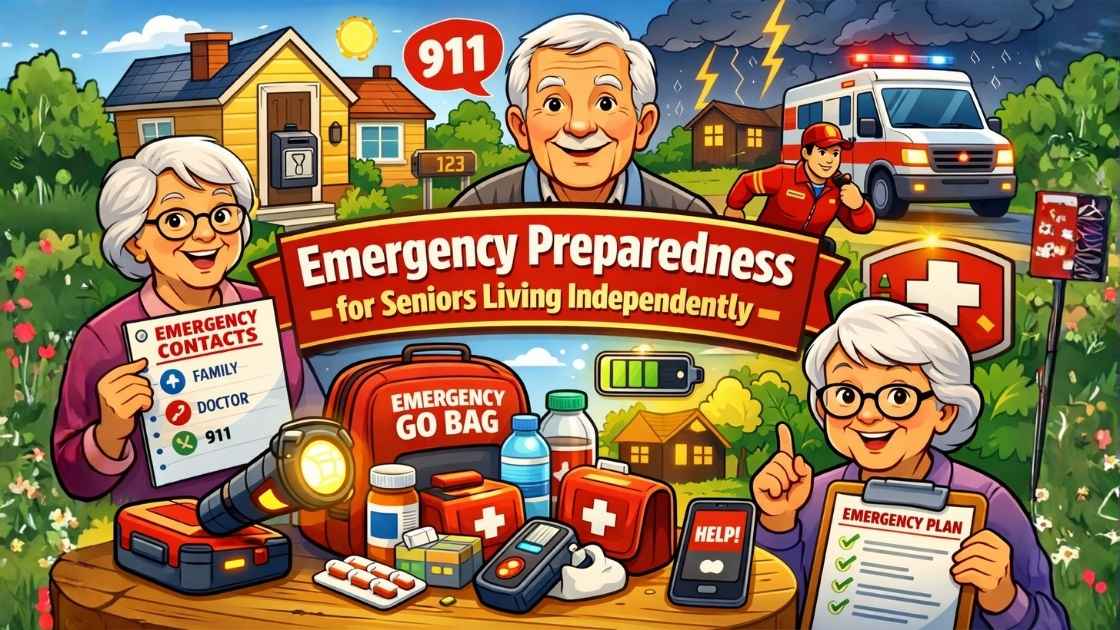

Living independently offers freedom, dignity, and comfort. But emergencies — from falls to power outages — can happen anytime. For seniors living alone, preparation isn’t just helpful — it’s essential for safety, confidence, and peace of mind.
Here are 6 essential emergency preparedness steps every senior living independently should follow.
1. Keep Emergency Contacts Easily Accessible
Having quick access to emergency contacts can save valuable time. Seniors should keep a printed list of important contacts in visible places like the refrigerator, bedside table, and wallet.
Include:
- Family members
- Neighbors
- Doctors
- Local emergency services
- Pharmacy
DOWNLOAD SAMPLE EMERGENCY CONTACT SHEET
2. Prepare an Emergency Go-Bag
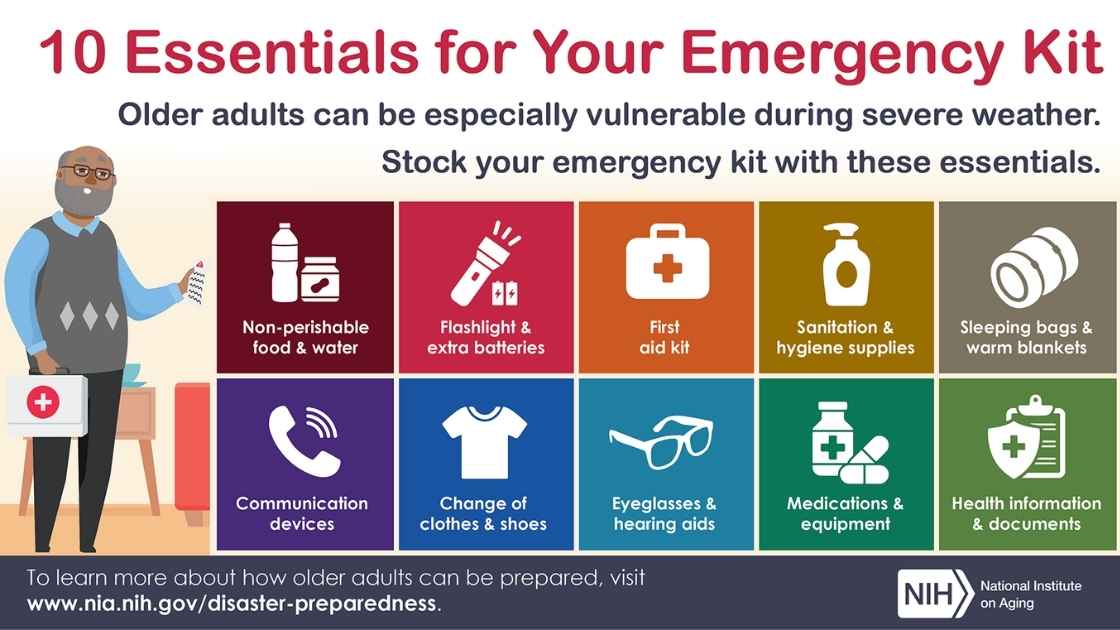
A small emergency bag ensures seniors are ready if they need to leave quickly or stay safe during power outages.
Include:
- Medications (3–7 days supply)
- Flashlight
- Batteries
- Bottled water
- Non-perishable snacks
- Phone charger
- Medical information
Pro Tip: Choose waterproof devices for shower safety.
3. Install Emergency Alert Systems
Medical alert systems allow seniors to call for help quickly after a fall or emergency. Many devices now include fall detection and GPS tracking.
Options include:
- Wearable pendants
- Smartwatches
- Wall-mounted alert buttons
4. Plan for Power Outages
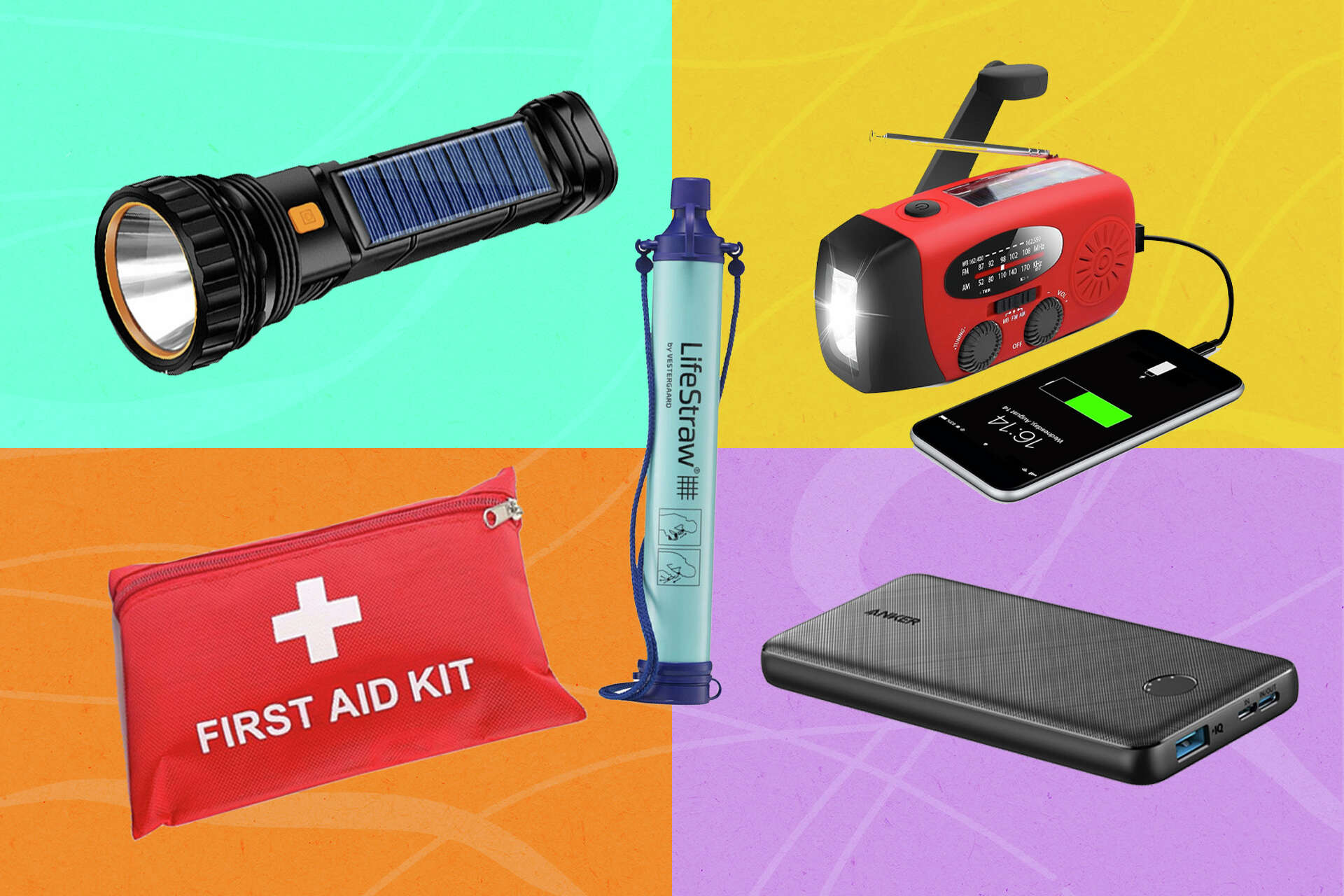
Power outages can be especially dangerous for seniors who rely on medical devices or lighting.
Prepare by having:
- Flashlights in multiple rooms
- Backup batteries
- Battery-powered radio
- Extra blankets
- Portable phone charger
Pro Tip: Avoid candles to reduce fire risk.
5. Make Your Home Easy for First Responders
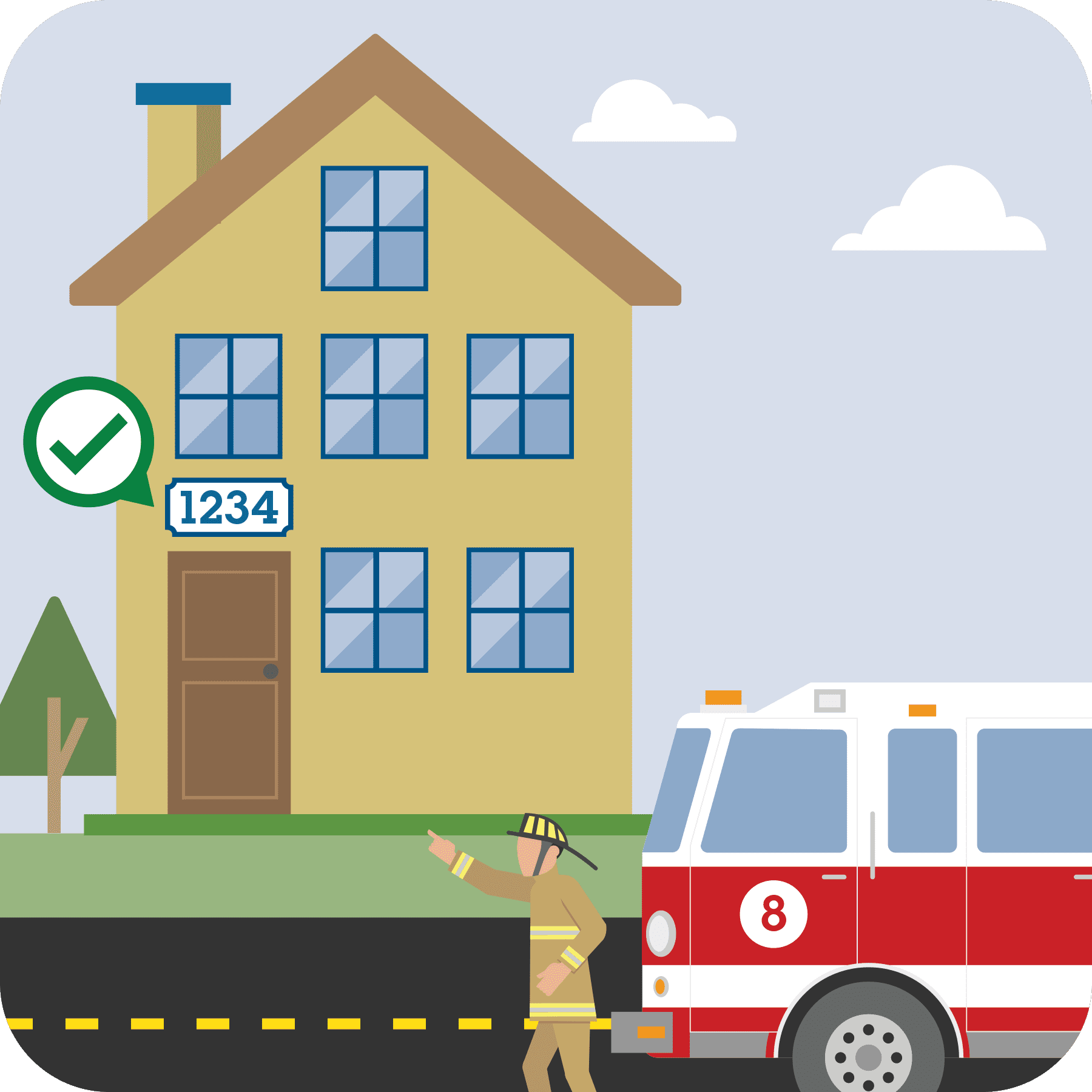
Emergency responders should be able to enter the home quickly if needed.
Consider:
- Lockbox with spare key
- Clearly visible house numbers
- Unlocked phone emergency contacts
- Pet information sheet
Pro Tip: Inform a trusted neighbor about your emergency plan.
6. Practice Your Emergency Plan
Preparedness works best when it’s practiced. Seniors should review emergency plans regularly.
Practice:
- Who to call
- Where supplies are located
- How to exit safely
- How to use alert systems
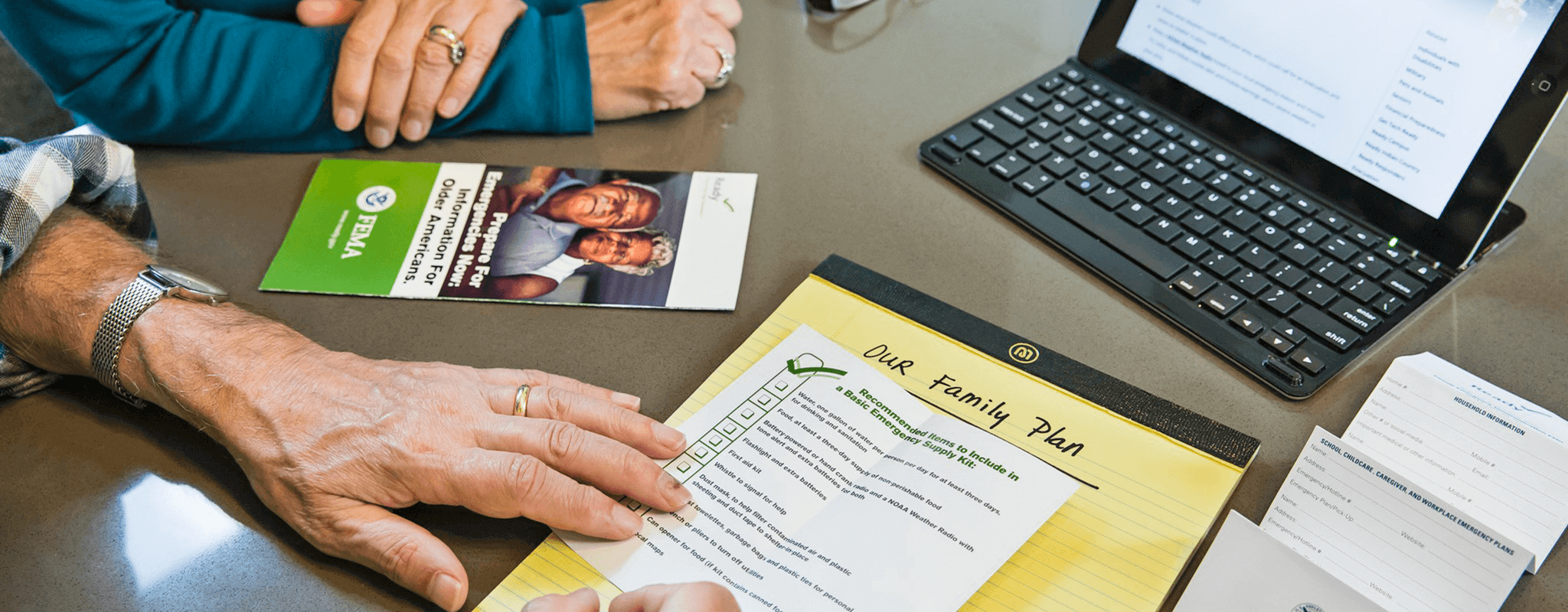
Pro Tip: Review your emergency plan every 6 months.
Emergency preparedness helps seniors stay independent longer, reduce risks, and provide peace of mind for both seniors and their families. Small steps today can prevent major problems tomorrow.
Preparedness isn’t about fear — it’s about confidence, safety, and independence. 💙
Disclaimer
This article is for informational and educational purposes only and does not constitute medical, legal, or professional safety advice. Individual needs vary. Always consult healthcare professionals, safety specialists, or licensed contractors before making safety or home modification decisions.
Download these helpful checklists to guide you through your buying and selling journey.

Home Buyer’s Checklist

Home Seller’s Checklist

Mistakes To Avoid

10 Body Changes After 60 Worth Discussing With Your Doctor
Download these helpful checklists to guide you through your buying and selling journey.Home Buyer's ChecklistHome Seller's ChecklistMistakes To Avoid

Morning Headaches in Seniors: 9 Causes, Warning Signs and What to Do
Download these helpful checklists to guide you through your buying and selling journey.Home Buyer's ChecklistHome Seller's ChecklistMistakes To Avoid

Sudden Weight Gain From Fluid Retention: Causes, Warning Signs & What to Do
Download these helpful checklists to guide you through your buying and selling journey.Home Buyer's ChecklistHome Seller's ChecklistMistakes To Avoid