


Falls are one of the leading causes of injury among older adults, and flooring plays a major role in preventing them. The right flooring can reduce slips, cushion falls, and improve mobility, helping seniors maintain independence and safety at home.
Here are the safest flooring options for aging adults, along with why they work best.
1. Luxury Vinyl Plank (LVP) or Vinyl Flooring
Why it’s safe:
- Slip-resistant surface options available
- Softer than hardwood (helps cushion falls)
- Low glare (better visibility for seniors)
- Easy to maintain and clean
Best for: Living rooms, bedrooms, kitchens, and hallways
Pro Tip: Choose matte or textured finishes instead of glossy surfaces to reduce slipping.


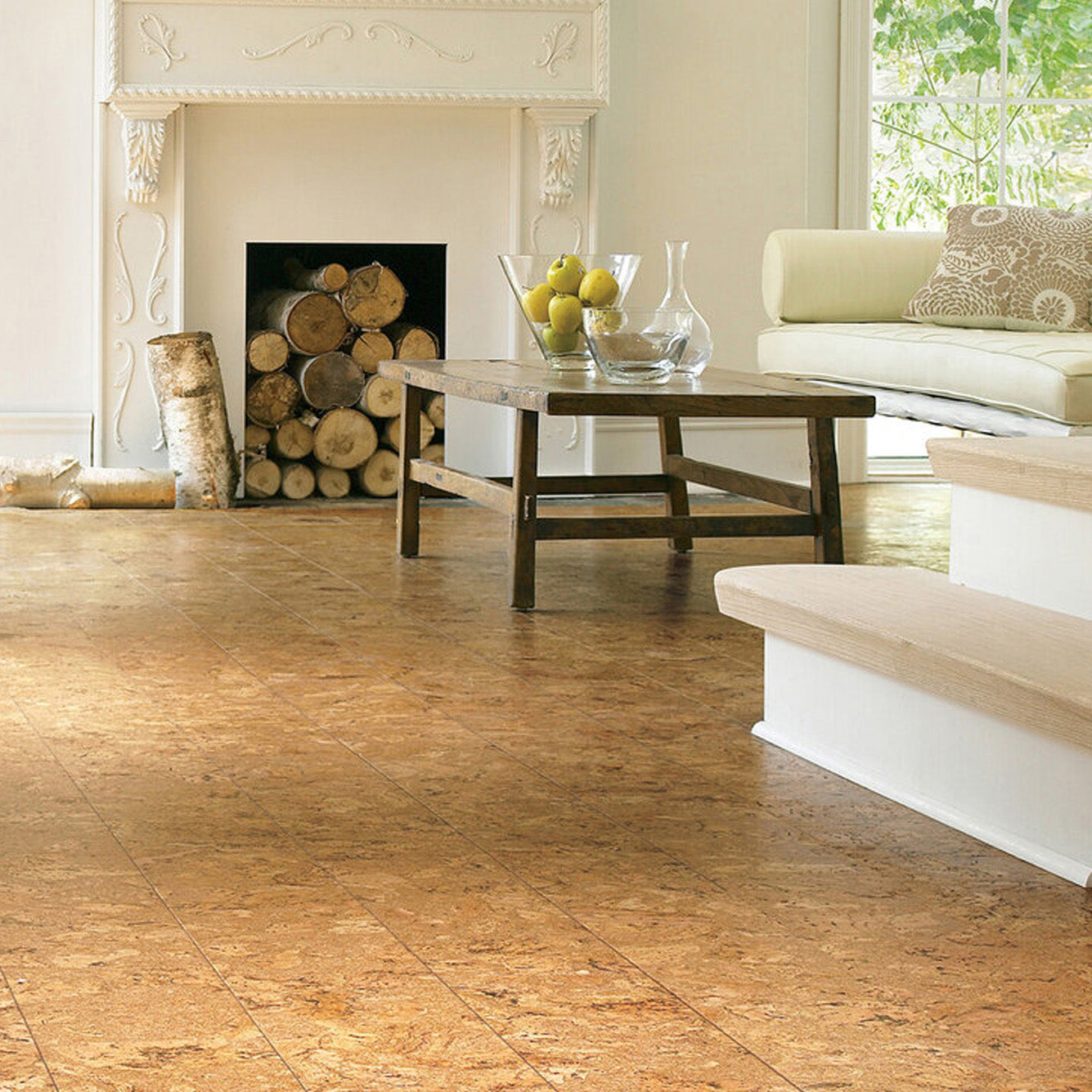
2. Cork Flooring
Why it’s safe:
- Naturally soft and cushioned
- Reduces injury risk from falls
- Comfortable for joints and back
- Non-slip surface
Best for: Bedrooms, living areas, and home offices
Bonus: Cork also absorbs sound, creating a quieter and calmer home environment.

3. Low-Pile Carpet
Why it’s safe:
- Soft landing in case of falls
- Reduces slipping risk
- Comfortable underfoot
Important:
Choose low-pile, tightly woven carpet to prevent tripping. Avoid thick, plush carpets that can make walking difficult.
Best for: Bedrooms and living rooms

4. Rubber Flooring
Why it’s safe:
- Excellent slip resistance
- Cushions falls effectively
- Water resistant
- Durable and easy to clean
Best for: Kitchens, bathrooms, and entryways
Good to know: Rubber flooring is becoming more popular in residential homes for safety-focused design.

5. Non-Slip Tile (Textured Tile)
Why it’s safe:
- Slip-resistant textured surface
- Durable and long-lasting
- Water resistant (ideal for wet areas)
Best for: Bathrooms, kitchens, laundry rooms, and entryways
Avoid: Smooth, polished tiles that become slippery when wet.

Flooring Options to Avoid for Seniors
- Highly polished hardwood
- Glossy tile floors
- Thick shag carpets
- Uneven flooring surfaces
- Loose rugs (unless secured)
Disclaimer
This article is for informational purposes only and should not be considered medical, safety, or professional advice. Always consult with licensed contractors, occupational therapists, or safety professionals before making home modifications. Individual needs, mobility levels, and home conditions may vary.
Download these helpful checklists to guide you through your buying and selling journey.

Home Buyer’s Checklist

Home Seller’s Checklist
Mistakes To Avoid

10 Body Changes After 60 Worth Discussing With Your Doctor
Download these helpful checklists to guide you through your buying and selling journey.Home Buyer's ChecklistHome Seller's ChecklistMistakes To Avoid
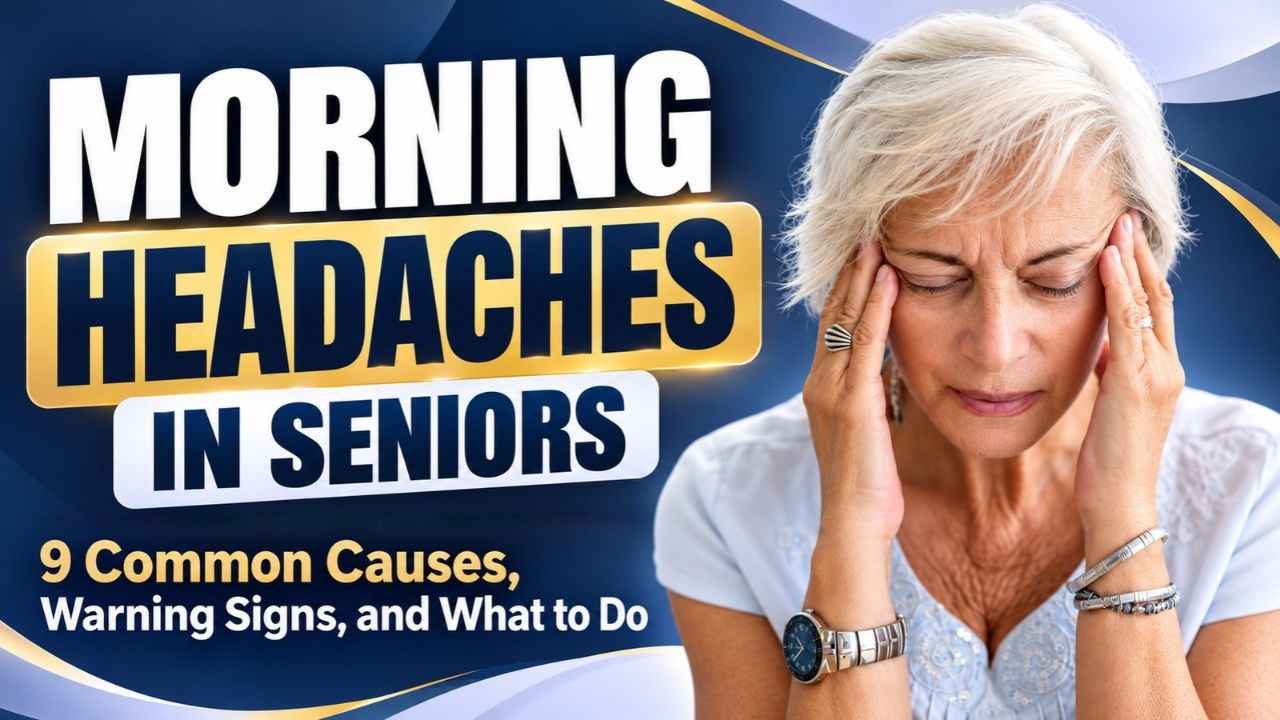
Morning Headaches in Seniors: 9 Causes, Warning Signs and What to Do
Download these helpful checklists to guide you through your buying and selling journey.Home Buyer's ChecklistHome Seller's ChecklistMistakes To Avoid

Sudden Weight Gain From Fluid Retention: Causes, Warning Signs & What to Do
Download these helpful checklists to guide you through your buying and selling journey.Home Buyer's ChecklistHome Seller's ChecklistMistakes To Avoid