
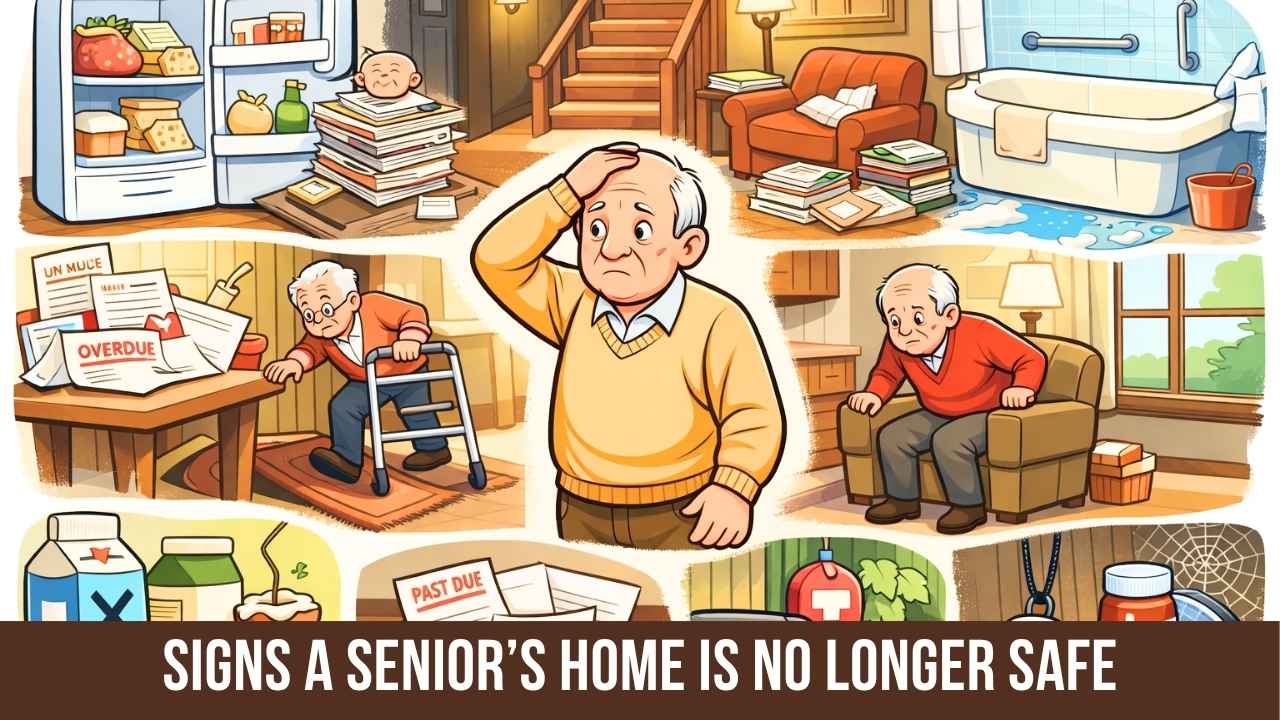

Aging in place allows seniors to remain comfortable and independent. However, there comes a point when a home that was once safe may become hazardous. Recognizing early warning signs can prevent falls, injuries, and medical emergencies.
Here are 10 factual signs that a senior’s home may no longer be safe, along with what to look for.
1. Frequent Falls or Near Misses
Frequent falls are one of the most serious warning signs. Even small trips or near falls indicate balance, mobility, or environmental hazards.
What to Look For:
- Bruises or unexplained injuries
- Scuff marks on furniture or walls
- Hesitation when walking
- Holding onto walls or furniture

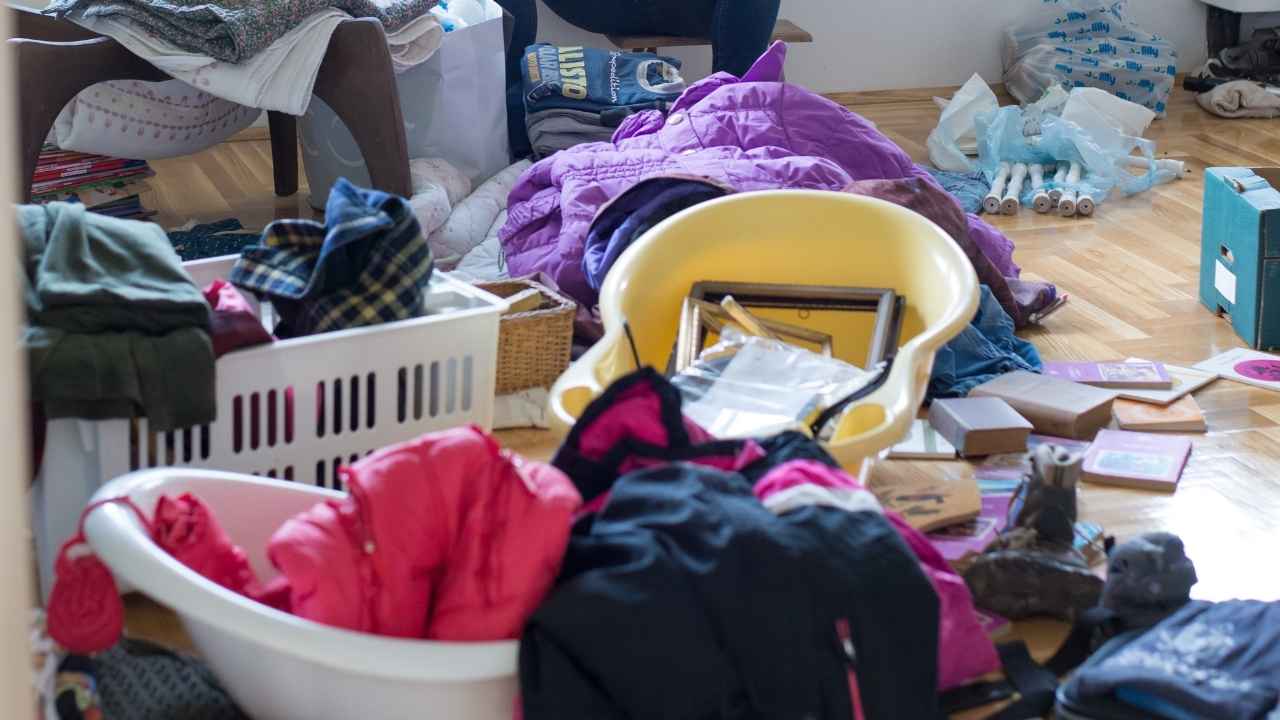
2. Clutter and Poor Housekeeping
A messy home can indicate mobility issues, cognitive decline, or difficulty managing daily tasks.
What to Look For:
- Stacks of papers or items on the floor
- Narrow walking paths
- Unwashed dishes
- Laundry piling up
3. Poor Lighting Throughout the Home
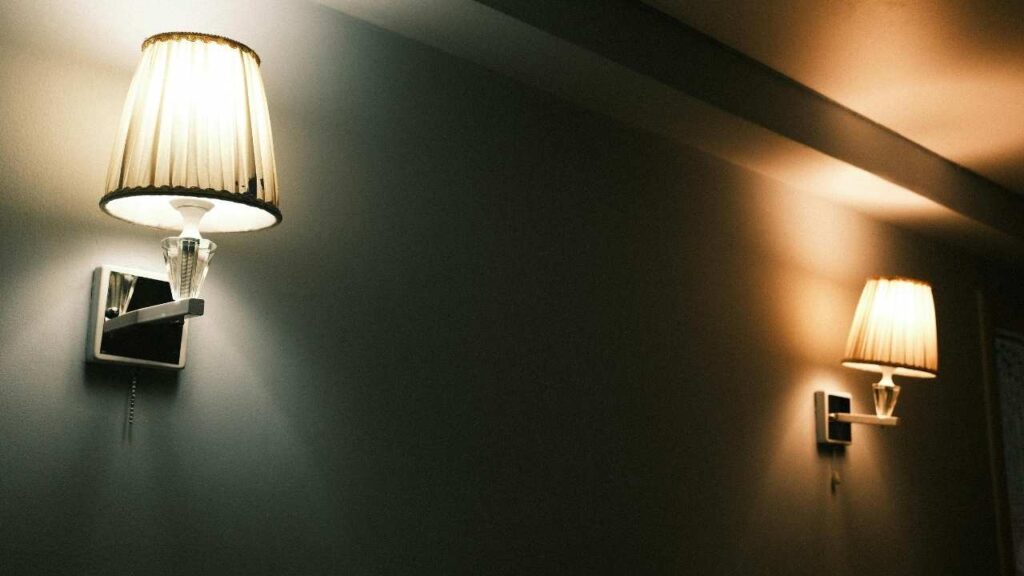
Dim lighting increases fall risk, especially for seniors with vision changes.
What to Look For:
- Dark hallways
- No night lights
- Burned-out bulbs
- Difficulty seeing steps
4. Bathroom Safety Concerns
Bathrooms are one of the most dangerous places for seniors due to slippery surfaces.
What to Look For:
- No grab bars
- Slippery floors
- High bathtub walls
- No shower seat

5. Difficulty Using Stairs
Stairs become increasingly dangerous as mobility decreases.
What to Look For:
- Holding onto walls instead of railings
- Avoiding stairs completely
- Slow movement or hesitation
- No handrails

6. Unopened Mail or Missed Bills
This may indicate cognitive decline, vision problems, or difficulty managing daily life.
What to Look For:
- Stacks of unopened mail
- Missed payments
- Confusion about finances
- Expired notices

7. Expired or Spoiled Food in the Kitchen
This can signal memory issues, mobility challenges, or difficulty cooking.
What to Look For:
- Expired food in fridge
- Burned cookware
- Empty pantry
- Poor nutrition habits

8. Difficulty Getting In and Out of Bed or Chairs
Mobility issues increase fall risk and signal declining strength.
What to Look For:
- Rocking to stand up
- Using furniture for support
- Complaints of weakness
- Low seating

9. Lack of Emergency Planning
Seniors living alone should have clear emergency access.
What to Look For:
- No emergency contacts visible
- No medical alert system
- No phone nearby
- Locked or blocked exits

10. Signs of Social Isolation
Isolation affects mental and physical health, increasing risks.
What to Look For:
- Rare visitors
- Withdrawn behavior
- Missed appointments
- Decreased activity

Identifying these warning signs early allows families to make adjustments, install safety features, or explore additional care options. The goal is not to remove independence — but to protect safety, dignity, and quality of life.
Disclaimer
This article is for informational and educational purposes only and does not constitute medical, legal, or professional advice. Every senior’s situation is unique. Always consult qualified healthcare providers, licensed contractors, or senior care professionals before making safety or living arrangement decisions.
Download these helpful checklists to guide you through your buying and selling journey.

Home Buyer’s Checklist

Home Seller’s Checklist

Mistakes To Avoid

10 Body Changes After 60 Worth Discussing With Your Doctor
Download these helpful checklists to guide you through your buying and selling journey.Home Buyer's ChecklistHome Seller's ChecklistMistakes To Avoid
Morning Headaches in Seniors: 9 Causes, Warning Signs and What to Do
Download these helpful checklists to guide you through your buying and selling journey.Home Buyer's ChecklistHome Seller's ChecklistMistakes To Avoid

Sudden Weight Gain From Fluid Retention: Causes, Warning Signs & What to Do
Download these helpful checklists to guide you through your buying and selling journey.Home Buyer's ChecklistHome Seller's ChecklistMistakes To Avoid