


Walk into someone’s living room and, whether you mean to or not, you start reading them. The stack of books by the couch. The perfectly matched throw pillows. The one drawer nobody wants to open. Long before anyone says a word, their home has already started the conversation.
This isn’t just a fun party observation. Psychologists have actually studied it. In a well known project called “A Room With a Cue,” researchers sent observers into college students’ bedrooms and offices with no introduction to the people who lived there, just the rooms. Those observers were able to guess personality traits with surprising accuracy, simply from the objects, colors, and layout around them. Your space isn’t neutral. It’s a quiet autobiography.
So what is your home actually telling people? Let’s walk through it, room by room, habit by habit, including the version of your home that shows up when life gets overwhelming.
Why Your Home Reflects Your Personality
Every choice you make in your living space, whether it’s conscious or not, is a small decision about who you are and how you want to feel. Psychologists often connect this to the “Big Five” personality traits: openness, conscientiousness, extroversion, agreeableness, and emotional stability. Each one tends to leave fingerprints around a home.
- Openness shows up in variety. A well loved bookshelf, art from different cultures, or a home full of half finished creative projects usually points to a curious, idea driven mind.
- Conscientiousness shows up in order. Labeled bins, a made bed, a calendar on the fridge. These aren’t just neat habits, they’re a sign of someone who values structure and follow through.
- Extroversion shows up in openness of layout. Big shared spaces, an open kitchen built for hosting, a house that seems to invite people in rather than shut them out.
- Agreeableness often shows up in comfort. Soft textures, family photos, shared seating, spaces built for connection rather than display.
- Emotional stability shows up in how a space holds up under pressure, which brings us to something most home and personality articles skip over entirely.
What Different Personality Types Reveal Through Their Homes
The Minimalist
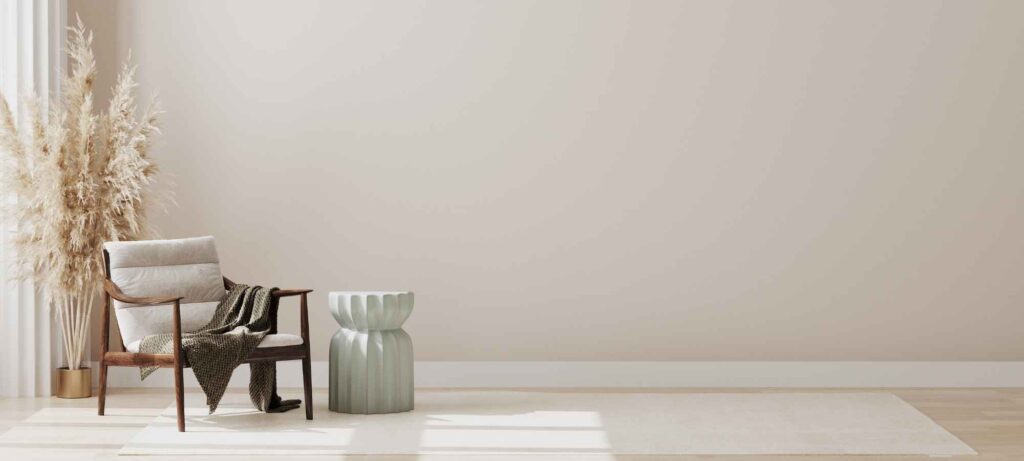
Clean counters, neutral tones, very little on display. This isn’t about having no personality, it’s usually the opposite. Minimalists tend to crave clarity and control. A clutter free home often reflects a clutter free mind, or at least the mind they’re working hard to protect.
The Maximalist Collector
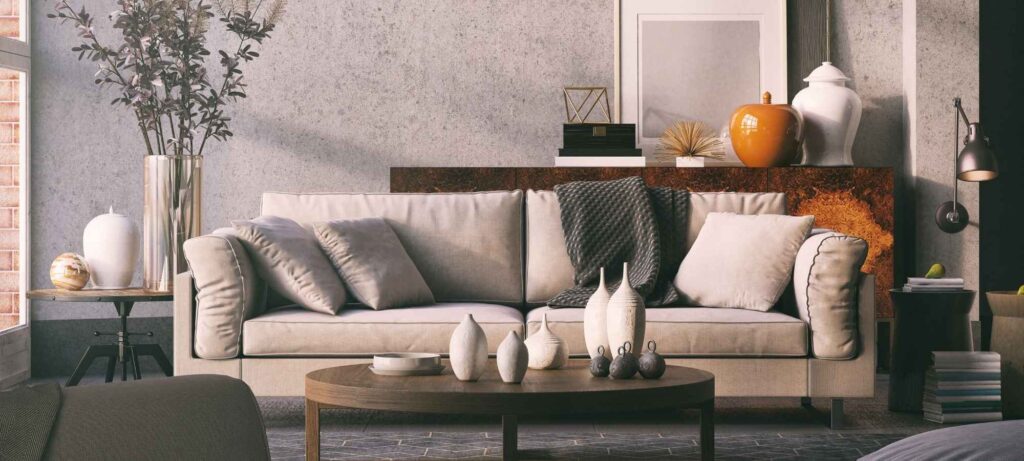
Layered textures, bold colors, shelves full of souvenirs and mismatched treasures. This home belongs to someone who values story over symmetry. Every object earned its spot, and they’d rather live surrounded by meaning than by matching sets.
The Host
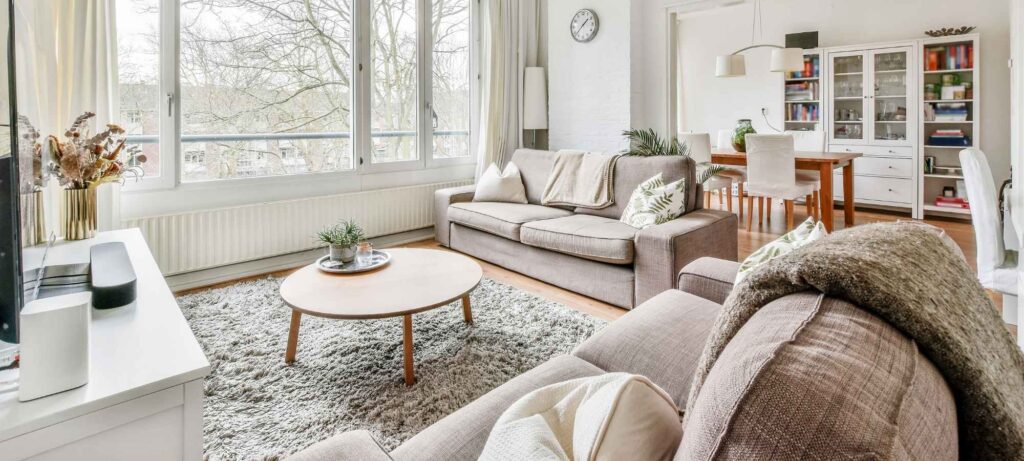
Big dining table, extra chairs, a kitchen clearly built for more than one person. This home says “come in.” People who design for gathering tend to draw energy from connection, and their space is basically an open invitation.
The Nostalgic Sentimentalist

Family photos on every wall, hand-me-down furniture, drawers full of keepsakes. This home holds onto the past on purpose. These are people who value relationships and roots, and who find comfort in objects that carry memory.
The Structured Planner
Everything has a place, and everything is in it. Labeled shelves, color coded folders, a home that runs like a small, well managed system. This reflects someone who finds peace in predictability and who likely brings that same discipline into work and relationships.
What a Stressed Out Home Looks Like
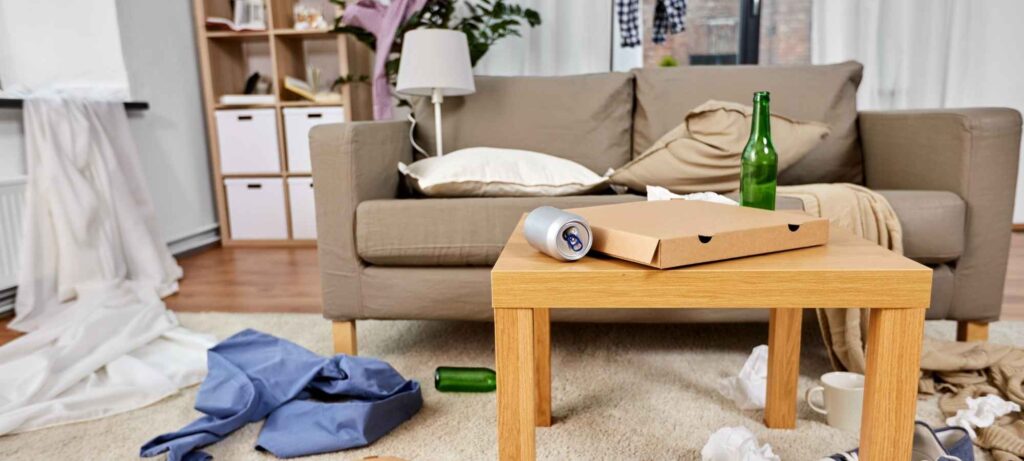
This is the part most “home personality” articles leave out, and it might be the most useful part of all.
Your home doesn’t just reflect your personality, it reflects your current mental state, and stress has a very specific look. When life gets overwhelming, homes tend to shift in a few predictable ways:
- Clutter builds in one specific spot. Not the whole house, just one chair, one counter, one corner that quietly becomes a dumping ground. That single overflowing spot is often a visual snapshot of whatever is overflowing in someone’s head.
- Routines slip first. Unmade beds, dishes sitting a little longer than usual, laundry piling up. These aren’t signs of laziness, they’re usually signs that mental bandwidth is being spent elsewhere.
- Spaces get either too bare or too full. Some people strip their space down when overwhelmed, craving control over something when everything else feels chaotic. Others surround themselves with more stuff, almost like padding against the outside world.
- Lighting and air get ignored. Blinds stay shut, windows stay closed. It’s a small thing, but a stressed home often gets dimmer and stuffier without anyone noticing it happening.
- “Everything” projects appear and stall. Half painted walls, a reorganized closet abandoned halfway through. High stress often shows up as bursts of motivation that don’t get followed through on, not because of a lack of care, but a lack of capacity.
None of this means someone is failing. A stressed home is simply a nervous system asking for a break, expressed through drawers instead of words. If you notice these patterns in your own space, it’s less about deep cleaning and more about checking in with yourself. Sometimes a home reflects the mind so directly that tidying one genuinely helps settle the other, even in a small way.
How to “Read” a Home Respectfully
A few quick habits before you start psychoanalyzing everyone’s apartment:
- Look at patterns, not single objects. One dirty mug means nothing. A sink permanently full of them might mean something.
- Context matters. A chaotic home with three kids and two jobs is not the same as a chaotic home with neither.
- Homes change. The same person’s space can look completely different during a calm month versus a hard one, and that’s normal, not a personality flaw.
- Use it for empathy, not judgment. The most useful thing this kind of insight gives you is a gentler way to understand the people, and the version of yourself, living inside the walls.
The Takeaway
Your home isn’t just where you sleep and store your things. It’s a living, shifting reflection of who you are, what you value, and how you’re doing right now. A tidy shelf can say “I need control today.” A cluttered counter can say “I’m carrying a lot right now.” Neither one is a verdict on your character, they’re both just honest.
The next time you walk into your own space, try looking at it the way a curious stranger would. You might learn something your home has been trying to tell you all along.
Disclaimer: This article is intended for general informational and entertainment purposes only and reflects commonly discussed psychological theories about personality and living spaces. It is not a substitute for professional psychological, medical, or mental health advice, diagnosis, or treatment. Observations about home environments and personality traits are generalizations and may not apply to every individual or situation. If you are experiencing stress, anxiety, or other mental health concerns, please consult a qualified healthcare provider or licensed mental health professional.

10 Body Changes After 60 Worth Discussing With Your Doctor
Download these helpful checklists to guide you through your buying and selling journey.Home Buyer's ChecklistHome Seller's ChecklistMistakes To Avoid

Morning Headaches in Seniors: 9 Causes, Warning Signs and What to Do
Download these helpful checklists to guide you through your buying and selling journey.Home Buyer's ChecklistHome Seller's ChecklistMistakes To Avoid

Sudden Weight Gain From Fluid Retention: Causes, Warning Signs & What to Do
Download these helpful checklists to guide you through your buying and selling journey.Home Buyer's ChecklistHome Seller's ChecklistMistakes To Avoid
Download these helpful checklists to guide you through your buying and selling journey.

Home Buyer’s Checklist

Home Seller’s Checklist

Mistakes To Avoid