
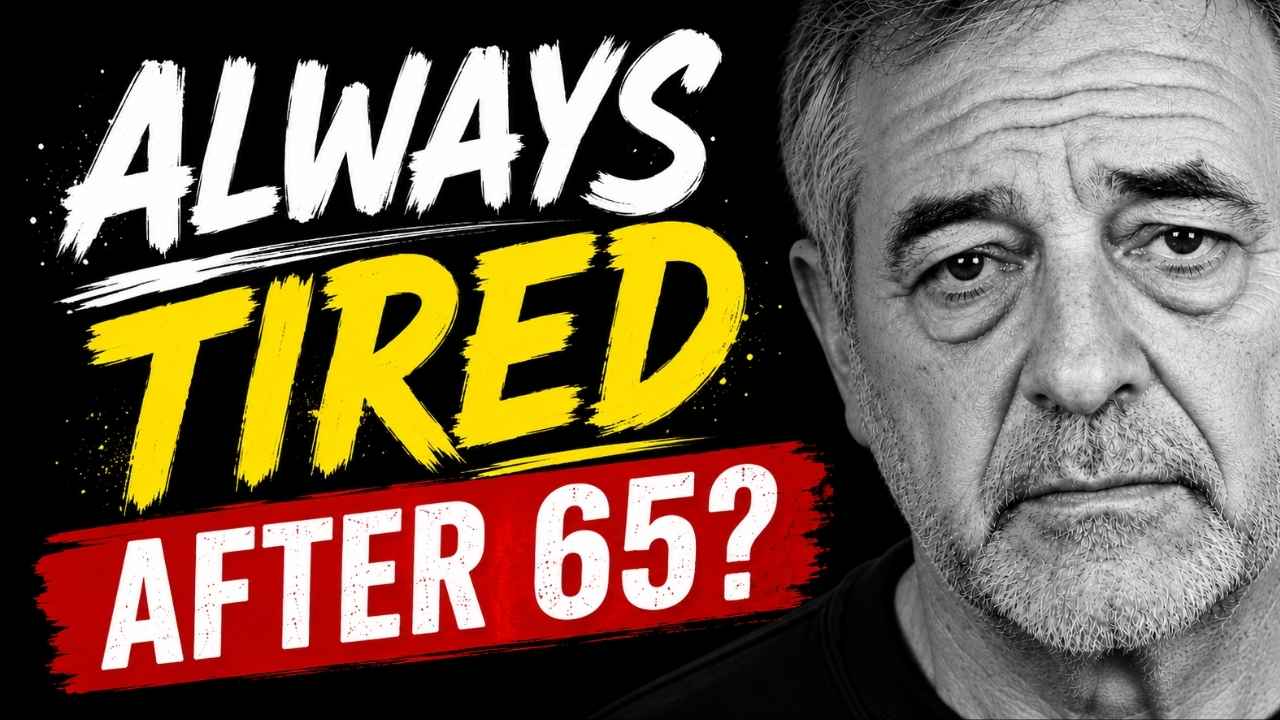

If you’ve been waking up tired even after a full night’s sleep, or find yourself needing a nap just to get through the afternoon, you’re not alone, and you’re not imagining it. A lot of people chalk this up to “just getting older.” But here’s the truth: persistent fatigue after 65 is not something you have to accept as normal. In many cases, it’s your body signaling that something specific and often very treatable is going on underneath the surface.
Let’s walk through seven of the most common (and most overlooked) causes of fatigue in older adults, along with what you can actually do about each one.
1. Anemia (Low Red Blood Cell Count)

Anemia is one of the most frequent, and most under-diagnosed, causes of tiredness in people over 65. Roughly 1 in 10 adults in this age group has some degree of anemia, and the rate climbs even higher after 85. When your red blood cell count is low, your body simply can’t carry enough oxygen to your muscles and organs. The result? Bone-deep tiredness, shortness of breath, dizziness, and pale skin.
What to do: Ask your doctor for a simple blood test (a complete blood count). Anemia can stem from iron deficiency, vitamin B12 deficiency, chronic inflammation, or blood loss, and each cause has a different fix.
2. An Underactive or Overactive Thyroid

Your thyroid is a small gland with a big job: regulating your metabolism and energy production. As we age, thyroid function can quietly shift out of balance, and the symptoms are easy to mistake for normal aging. An underactive thyroid (hypothyroidism) often causes fatigue, weight gain, and feeling cold all the time, while an overactive thyroid can cause restlessness paired with exhaustion.
What to do: A simple TSH blood test can reveal whether your thyroid is the culprit. Thyroid issues are highly manageable with medication once identified.
3. Poor Sleep Quality (Even If You’re “Sleeping Enough”)

Sleep patterns naturally change with age, but that doesn’t mean disrupted sleep is something to just live with. Conditions like sleep apnea, restless leg syndrome, and frequent nighttime waking become more common after 65, and they quietly rob you of the deep, restorative sleep your body needs. You might be spending eight hours in bed and still waking up exhausted.
What to do: Track how you actually feel in the morning, not just how many hours you were in bed. If you snore heavily, gasp for air at night, or wake up with headaches, ask your doctor about a sleep study.
4. Medication Side Effects

This is a big one that’s often missed. Many older adults are managing multiple prescriptions at once, and as the body ages, the liver and kidneys process medications differently than they used to. A drug that worked fine for years can start causing drowsiness or low energy simply because your body metabolizes it more slowly now. Common culprits include blood pressure medications, antihistamines, sleep aids, and certain antidepressants.
What to do: Bring a full list of your medications and supplements to your doctor or pharmacist for a review, especially if your fatigue started around the time a new medication was added. Never stop or adjust a medication on your own.
5. Depression and Loneliness

Mental health is deeply tied to physical energy, and this connection is often overlooked in older adults. Depression doesn’t always look like sadness. In seniors, it frequently shows up as physical symptoms: low energy, disrupted sleep, loss of appetite, and a general sense of “just not feeling like myself.” Loneliness and social isolation, which become more common after retirement or the loss of a spouse or friends, can drain energy just as much as any physical illness.
What to do: Talk to a doctor or counselor if low mood, withdrawal, or lack of motivation has lasted more than a couple of weeks. Staying socially connected, even in small ways, can meaningfully improve both mood and energy.
6. Dehydration and Nutrition Gaps

As we age, the sense of thirst naturally weakens, which means many seniors are mildly dehydrated without realizing it. Even mild dehydration can cause fatigue, confusion, and dizziness. On top of that, appetite often decreases with age, making it harder to get enough protein, iron, and B vitamins, all of which your body needs to produce energy.
What to do: Aim to sip water throughout the day rather than waiting to feel thirsty, and focus meals around protein and nutrient-dense foods. A conversation with your doctor about your diet or a referral to a dietitian can help pinpoint specific gaps.
7. Underlying Chronic Conditions and Deconditioning

Chronic conditions like heart disease, lung disease, kidney disease, diabetes, and chronic pain from arthritis can all place extra demand on the body and lead to persistent fatigue. At the same time, reduced physical activity, known as deconditioning, creates a frustrating cycle: less activity leads to muscle loss and weakness, which makes even small tasks more tiring, which leads to even less activity.
What to do: If you have a known chronic condition, make sure it’s being actively managed rather than just monitored. And if mobility has been declining, ask your doctor about safe ways to gently rebuild strength, even light daily movement can help break the cycle over time.
The Bottom Line
Fatigue after 65 is common, but common doesn’t mean normal, and it definitely doesn’t mean untreatable. If your tiredness has lasted more than a few weeks, is interfering with daily life, or doesn’t improve with rest, it’s worth bringing up with your doctor. Getting to the root cause, whether it’s anemia, a thyroid imbalance, poor sleep, a medication side effect, mental health, hydration, or an underlying condition, is often the first step toward feeling like yourself again.
You deserve to feel energized, not just get through the day. Don’t dismiss ongoing fatigue as something you simply have to live with.
Disclaimer: This article is for general informational and educational purposes only and is not intended as medical advice. It should not be used to diagnose or treat any health condition. Always consult a qualified healthcare provider regarding any questions you may have about a medical condition, symptoms, or before making changes to medications, diet, or exercise routines. Reliance on any information provided in this article is solely at your own risk.

Fainting in Seniors: Causes, Warning Signs and How to Stay Safe
Download these helpful checklists to guide you through your buying and selling journey.Home Buyer's ChecklistHome Seller's ChecklistMistakes To Avoid

10 Body Changes After 60 Worth Discussing With Your Doctor
Download these helpful checklists to guide you through your buying and selling journey.Home Buyer's ChecklistHome Seller's ChecklistMistakes To Avoid

Morning Headaches in Seniors: 9 Causes, Warning Signs and What to Do
Download these helpful checklists to guide you through your buying and selling journey.Home Buyer's ChecklistHome Seller's ChecklistMistakes To Avoid
Download these helpful checklists to guide you through your buying and selling journey.

Home Buyer’s Checklist

Home Seller’s Checklist

Mistakes To Avoid