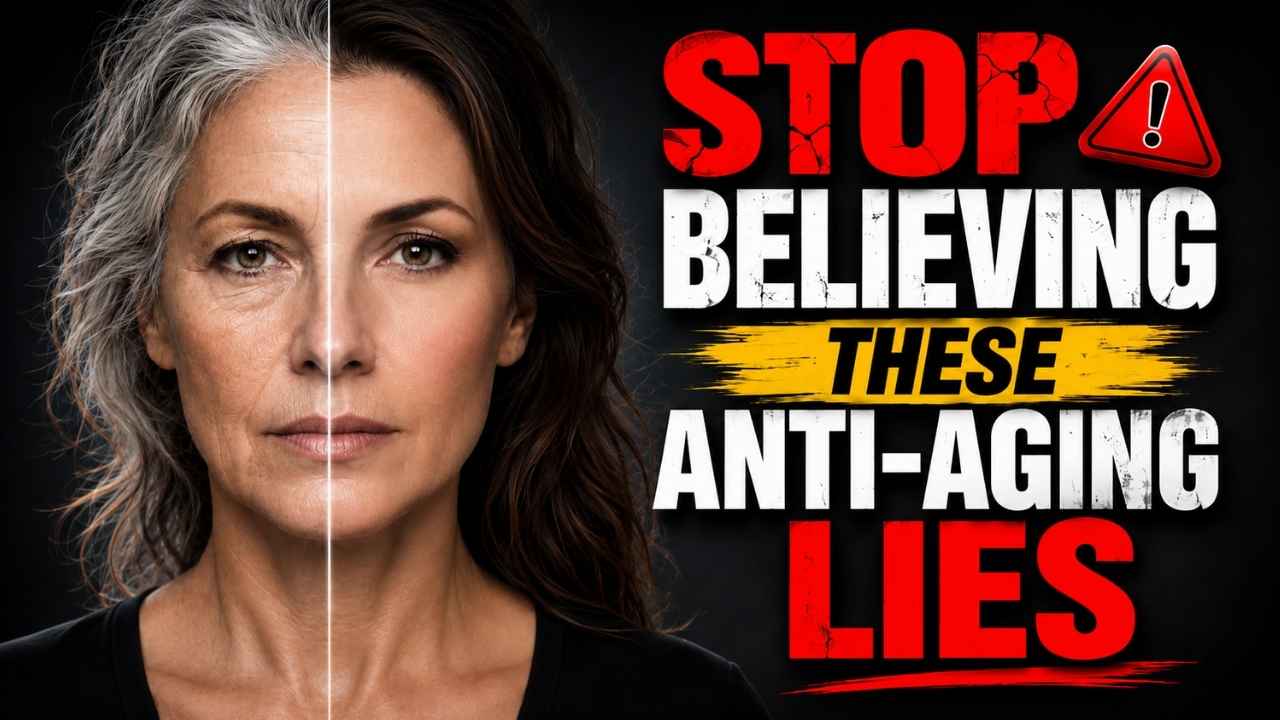
Let’s be honest: getting older comes with enough real challenges without adding a pile of myths on top. Yet so many of us carry around outdated ideas about aging, passed down from well-meaning parents, old wives’ tales, or that one commercial promising a cream will erase twenty years overnight.
The problem is that these myths do more than waste money. They can quietly convince someone to skip the gym, ignore a mood change, or slather on sunscreen only in summer, all because of something that simply isn’t true.
We talked through the research and pulled together the nine myths that geriatricians, dermatologists, and primary care doctors say they hear most often from seniors and their families. Consider this your myth-busting cheat sheet, backed by what medicine actually says about healthy aging.

Aging Is Determined Entirely by Genetics
It’s tempting to believe your fate is written in your DNA the moment your mother’s wrinkles start showing up on your own face. But genetics is only part of the story. Doctors consistently point out that lifestyle factors, including diet, physical activity, stress levels, sun exposure, and sleep, play just as large a role in how your body and skin age.
Chronic stress raises cortisol, which breaks down collagen and elastin in the skin. Diet, hydration, and daily habits influence how quickly you show signs of aging far more than most people realize. In other words, your genes load the gun, but your lifestyle pulls the trigger.
It’s Too Late to Start Exercising
This is one of the most damaging aging myths out there, and geriatric medicine specialists hear it constantly. Many seniors assume that once they’ve crossed a certain age, starting a new workout routine is pointless or even risky.
There is no age at which physical activity stops being beneficial. Movement helps preserve muscle mass, balance, bone density, and cardiovascular health at any stage of life. Starting small, with walking, resistance bands, or chair exercises, and building gradually with a doctor’s guidance can meaningfully improve strength and independence, even for those starting in their 70s or 80s.

Memory Loss and Dementia Are Just Part of Getting Older
It’s one of the most feared myths about aging, and one of the most misleading. Many people assume that forgetting names or losing focus is an inevitable, unstoppable slide toward dementia.
Some mild changes in processing speed are a normal part of aging, but dementia itself is not guaranteed. Brain researchers have found that the brain continues forming new neural connections throughout life. Staying mentally engaged, physically active, and socially connected are all associated with a lower risk of cognitive decline. Occasionally misplacing your keys is normal; significant, progressive memory loss is worth discussing with a doctor, not shrugging off as expected.
Moisturizer Alone Can Prevent Wrinkles
Walk down any skincare aisle and you’ll see promises that the right cream can hold back time. Many people believe a good moisturizer is all their skin needs to stay youthful.
Moisturizer helps hydrate and can temporarily plump the skin, which may mask fine lines, but it does not address the deeper causes of skin aging, such as sun damage and collagen breakdown. Dermatologists emphasize that daily sunscreen, not moisturizer, is the single most effective product for preventing premature skin aging, since UV exposure is responsible for the majority of visible aging changes, even on cloudy days.

Weight Gain After 60 Is Unavoidable
Many seniors chalk up extra pounds to a slowing metabolism and assume there’s nothing to be done about it.
Metabolism does slow somewhat with age, but the bigger factors are usually a decline in muscle mass and activity level. Since muscle burns more calories at rest than fat does, maintaining strength through resistance activity can help offset age-related metabolic changes. Diet quality and consistent movement remain powerful tools at any age.
Depression Is a Normal Part of Growing Older
Because aging often brings loss, whether of loved ones, mobility, or independence, some people assume that feeling sad or withdrawn is simply expected and not worth mentioning to a doctor.
Persistent sadness, loss of interest, or hopelessness is not a normal or automatic part of aging. Depression is a medical condition that can affect people at any age, and it is treatable at any age too. Dismissing these symptoms as “just getting older” can prevent seniors from getting support that genuinely helps.


You Can’t Build Muscle or Strength Later in Life
There’s a common assumption that once muscle loss begins, it’s a one-way street with no way to reverse course.
Research consistently shows that seniors, including those in their 80s and 90s, can build meaningful strength through resistance training. Muscle tissue remains responsive to exercise throughout life. Strength training also supports balance and lowers fall risk, which makes it one of the most valuable habits a senior can adopt.
Expensive Anti-Aging Supplements and Pills Can Reverse Aging
The wellness industry loves to market pills, powders, and serums that claim to turn back the clock from the inside out.
No supplement has been shown to reverse the aging process. Some nutrients, like vitamin D, calcium, and B12, matter more as we age and may warrant supplementation based on bloodwork, but this should be guided by a doctor rather than marketing claims. The most consistently supported “anti-aging” strategies remain unglamorous: balanced nutrition, regular movement, quality sleep, and sun protection.
Sex and Intimacy Are Off the Table for Older Adults
This myth often goes unspoken, but it’s remarkably common and can leave seniors feeling embarrassed to bring up related health concerns with their doctor.
Intimacy and sexual health remain a normal and healthy part of life for many older adults. Physical changes such as erectile dysfunction or symptoms related to menopause are common and very treatable, but they are medical topics worth discussing openly with a doctor rather than accepting as a closed chapter.
The Bottom Line on Healthy Aging
Aging is not something to fight or fear; it’s something to understand. Most of these myths share a common thread: they encourage giving up rather than adapting. The real, evidence backed path to healthy aging looks a lot less dramatic than what’s advertised on TV. It involves staying active, protecting your skin from the sun, eating well, staying socially connected, and being honest with your doctor about what you’re actually experiencing, whether that’s a mood change, a memory concern, or a question about intimacy.
The next time one of these myths comes up at a family dinner or in a commercial, you’ll know the real story behind it.
Disclaimer: This article is for general informational and educational purposes only and does not constitute medical advice. It is not intended to diagnose, treat, cure, or prevent any disease or health condition, and it should not be used as a substitute for professional medical consultation, diagnosis, or treatment. Always seek the advice of a physician or other qualified health provider with any questions you may have regarding a medical condition, medication, supplement, or exercise program, especially before making changes based on information found in this article. Never disregard professional medical advice or delay seeking it because of something you have read here. Reliance on any information in this article is solely at your own risk.
Thinking About Buying, Selling, or Moving? Let’s Talk.
If you’re thinking about buying a home, selling your current property, or moving somewhere new, I’d be happy to help you figure out your next step.
As both a cardiologist and real estate professional, I’ve built my careers around helping people make important decisions with confidence. And through my work as a referral agent with eXp Realty, I can help connect you with the right real estate professional, whether your next move is across town or across the country.
Licensed Real Estate Salesperson & Cardiologist
eXp Commercial Referral Division
10 Body Changes After 60 Worth Discussing With Your Doctor
Download these helpful checklists to guide you through your buying and selling journey.Home Buyer's ChecklistHome Seller's ChecklistMistakes To Avoid
Morning Headaches in Seniors: 9 Causes, Warning Signs and What to Do
Download these helpful checklists to guide you through your buying and selling journey.Home Buyer's ChecklistHome Seller's ChecklistMistakes To Avoid
Sudden Weight Gain From Fluid Retention: Causes, Warning Signs & What to Do
Download these helpful checklists to guide you through your buying and selling journey.Home Buyer's ChecklistHome Seller's ChecklistMistakes To Avoid
Download these helpful checklists to guide you through your buying and selling journey.

Home Buyer’s Checklist

Home Seller’s Checklist

Mistakes To Avoid