
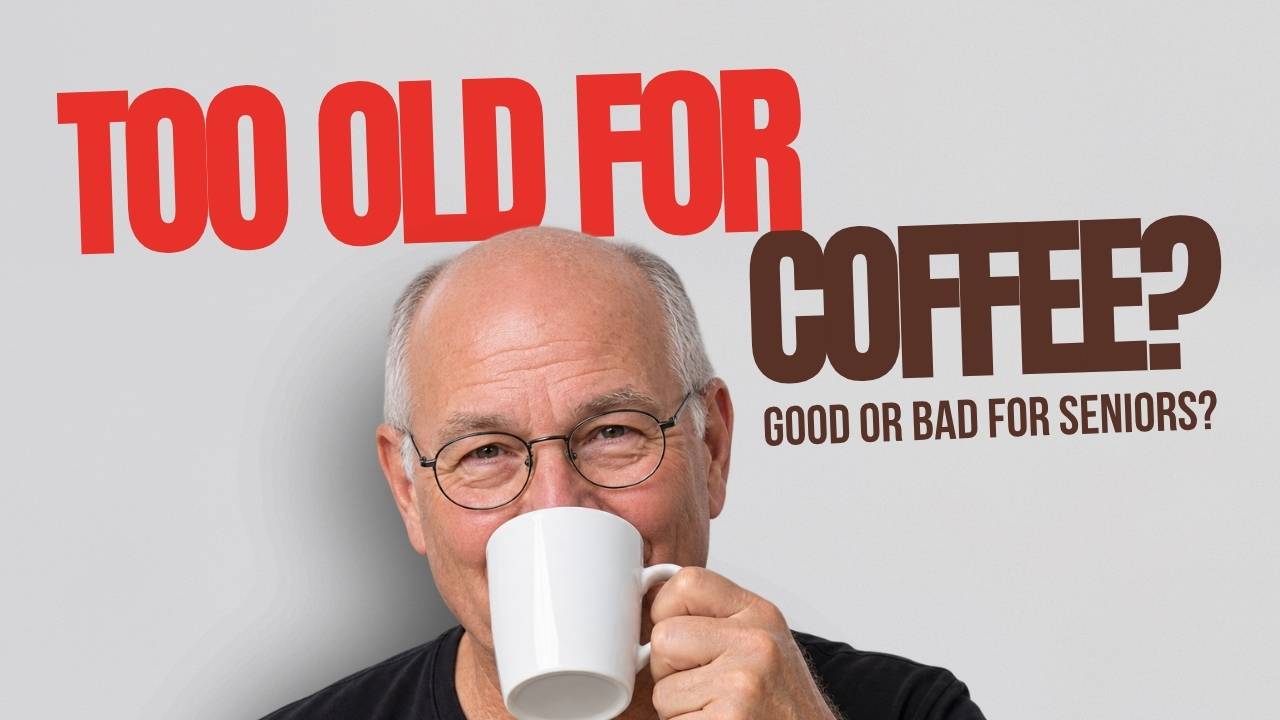

Picture this: it's 7 a.m., the coffee maker is gurgling, and someone's grandmother is already at the kitchen table with her favorite mug, waiting for that first sip. For millions of older adults, coffee isn't just a beverage. It's a ritual, a comfort, and honestly, a reason to get out of bed.

But as we age, our bodies change, and so does the way we process caffeine. So the question naturally comes up, especially from adult children caring for aging parents or seniors trying to make smart choices for their health: is coffee good or bad for seniors?
The honest answer is that it's a bit of both, and the details matter more than you'd think. Let's walk through what the research actually says, so you can sip with confidence (or know exactly when to cut back).
Why This Question Matters More as We Age
Here's something a lot of people don't realize: older adults process caffeine differently than younger adults do. According to researchers at UCLA Health, seniors metabolize caffeine roughly a third more slowly than younger people. That's because liver enzymes become less efficient with age, which means caffeine lingers in the bloodstream longer and its effects, both good and bad, hit harder and last longer.
That single fact explains a lot. It's why a senior might suddenly notice sleep trouble from a coffee habit that never bothered them before.
It's also why moderate coffee drinking can have such a measurable impact on things like memory and heart health in this age group.
The Good NewsThe Case for Coffee: Real Benefits for Older Adults

A Sharper Mind
One of the most encouraging findings for seniors involves brain health. The Cardiovascular Risk Factors, Aging and Dementia (CAIDE) study, which followed participants from midlife into their seventies, found that regular coffee drinkers had a meaningfully lower lifetime risk of dementia. Some research has linked moderate coffee intake, around three to five cups a day, to a lower risk of both Parkinson's and Alzheimer's disease, possibly because caffeine helps protect the blood-brain barrier and reduce harmful protein buildup in the brain.
A Healthier Heart
Coffee has also earned some genuine credibility when it comes to cardiovascular health. Research has connected drinking two to three cups of coffee or tea daily with a notably lower risk of stroke compared to drinking neither. Other studies have tied regular, moderate coffee consumption to a reduced risk of dying from cardiovascular disease and a lower rate of heart failure.
A Longer, More Social Life
A joint study from AARP and the National Institutes of Health found that regular coffee drinkers had a lower overall risk of death compared to non-coffee drinkers. But the benefits aren't only biochemical. Coffee is often woven into daily routines and social connection, morning chats with neighbors, a standing coffee date, a shared pot at the senior center. For older adults navigating isolation, that ritual and companionship can matter just as much as anything happening at the cellular level.
Less Pain, Easier Breathing
Some studies suggest that a cup of coffee before light exercise may reduce post-workout muscle soreness and even enhance the pain-relieving effects of aspirin. Caffeine can also help open airways temporarily, which may ease mild asthma symptoms or congestion.
The Case Against Coffee: What to Watch Out For
It Can Mess With Sleep, Even Hours Later
Because older adults clear caffeine more slowly, a cup enjoyed at 2 p.m. can still be affecting sleep quality at 10 p.m. Since quality sleep is closely tied to mood, memory, and immune health in seniors, this is one of the more common and underrated downsides.
It May Affect Bone Health
Caffeine can interfere with how the body absorbs and retains calcium, and some research has found that consuming more than 300 to 400 milligrams a day (roughly three to four cups) may modestly reduce bone mineral density in older adults, particularly in those who already have low calcium intake. That said, large studies, including the well-known Framingham Osteoporosis Study, have generally found no significant bone density concerns at moderate intake levels (one to three cups daily) when calcium intake is adequate. The takeaway: coffee alone probably won't cause osteoporosis, but seniors at risk for bone loss should be mindful of both their caffeine and calcium intake together.
It Can Raise Heart Rate and Blood Pressure
Caffeine can cause a temporary spike in blood pressure and heart rate. For most healthy seniors this isn't dangerous, but for those with arrhythmias, uncontrolled hypertension, or other cardiovascular conditions, it's worth discussing with a doctor.
It Can Worsen Dehydration and Digestive Issues
Coffee has a mild diuretic effect, and seniors are already more prone to dehydration, which can strain the kidneys and make existing bladder issues more uncomfortable. Coffee's acidity can also aggravate acid reflux and heartburn, and it can interfere with iron absorption if taken with meals, which is worth noting for seniors managing anemia.
It Can Interact With Medications
This is arguably the most important consideration of all. Caffeine can interact with certain medications, including some used for thyroid conditions, osteoporosis, and heart arrhythmias, as well as supplements like ephedrine and echinacea. Any senior starting a new prescription should ask their doctor or pharmacist specifically whether caffeine is safe to combine with it.
So, How Much Coffee Is Actually Safe for Seniors?
For most healthy older adults, moderate intake, generally defined as one to three cups a day (roughly 200 to 300 milligrams of caffeine), appears to offer the best balance of benefits and safety. Here are a few practical guidelines:
- Stick to one to three cups daily. This range shows up again and again in the research as the sweet spot for heart and brain benefits without significant downsides.
- Mind the temperature. For seniors with memory issues or reduced sensation, coffee served between 130°F and 150°F is a safer bet than piping hot brews.
- Pair coffee with calcium-rich foods. Yogurt, cheese, or a calcium supplement alongside coffee can help offset any impact on bone health.
- Avoid coffee late in the day. Cutting off caffeine by early-to-mid afternoon can protect nighttime sleep quality.
- Listen to your body. Sensitivity to caffeine varies widely from person to person and tends to increase with age, so what worked at 50 may need adjusting at 75.
- Always check with a doctor about medication interactions. This is especially important for seniors managing heart conditions, osteoporosis, or thyroid disorders.

The Bottom Line
So, is coffee good or bad for seniors? For most older adults without underlying health conditions, moderate coffee consumption leans more good than bad. It's linked to a sharper mind, a stronger heart, and even a longer life, not to mention the simple joy and social connection that come with the ritual itself. The risks, dehydration, sleep disruption, modest bone density effects, and medication interactions, are real, but they're largely manageable with moderation and a little awareness.
The best approach isn't necessarily quitting coffee cold turkey. It's drinking it thoughtfully: in moderate amounts, at the right temperature, earlier in the day, and always with an eye on how it interacts with any medications. For many seniors, that means the coffee ritual can keep going strong for years to come.
References
- Griswold Home Care. "Is Coffee Good for Seniors and the Elderly?" griswoldcare.com
- Visiting Angels. "Pros and Cons of Seniors Drinking Coffee." visitingangels.com
- Arbor Company. "Why Drinking Coffee May Be a Healthy Choice for Seniors." arborcompany.com
- Sprudge. "Should You Drink Coffee After 70?" sprudge.com
- Samaritan Health Services. "The Benefits of Coffee for Seniors & Boomers." samhealth.org
- Front Porch. "Caffeine & Seniors: Good or Bad?" frontporch.net
- 4 Seasons Home Care. "Is Coffee Good for Seniors? The Good, Bad, and the Jittery." 4seasonscare.com
- Generations Magazine. "Why Coffee Is a Health Food for Older Adults." generations808.com
- National Center for Biotechnology Information. "Longitudinal Association of Coffee and Tea Consumption with Bone Mineral Density in Older Women." ncbi.nlm.nih.gov
- National Center for Biotechnology Information. "Coffee Consumption and CYP1A2 Genotype in Relation to Bone Mineral Density of the Proximal Femur in Elderly Men and Women." ncbi.nlm.nih.gov
- Medical News Today. "Caffeine and Osteoporosis: What Is the Link?" medicalnewstoday.com
- Coffee and Health. "Coffee and Bone Health: Interaction Between Caffeine and Bone Health." coffeeandhealth.org
Disclaimer: This article is for general informational and educational purposes only and is not intended as, and should not be substituted for, medical advice, diagnosis, or treatment. Individual health needs vary, especially for older adults managing chronic conditions or taking prescription medications. Always consult a qualified physician, pharmacist, or healthcare provider before making changes to your diet or caffeine intake. The author and publisher of this article are not liable for any decisions made based on this content.

10 Body Changes After 60 Worth Discussing With Your Doctor
Download these helpful checklists to guide you through your buying and selling journey.Home Buyer's ChecklistHome Seller's ChecklistMistakes To Avoid
Morning Headaches in Seniors: 9 Causes, Warning Signs and What to Do
Download these helpful checklists to guide you through your buying and selling journey.Home Buyer's ChecklistHome Seller's ChecklistMistakes To Avoid
Sudden Weight Gain From Fluid Retention: Causes, Warning Signs & What to Do
Download these helpful checklists to guide you through your buying and selling journey.Home Buyer's ChecklistHome Seller's ChecklistMistakes To Avoid
Download these helpful checklists to guide you through your buying and selling journey.

Home Buyer’s Checklist

Home Seller’s Checklist
Mistakes To Avoid