
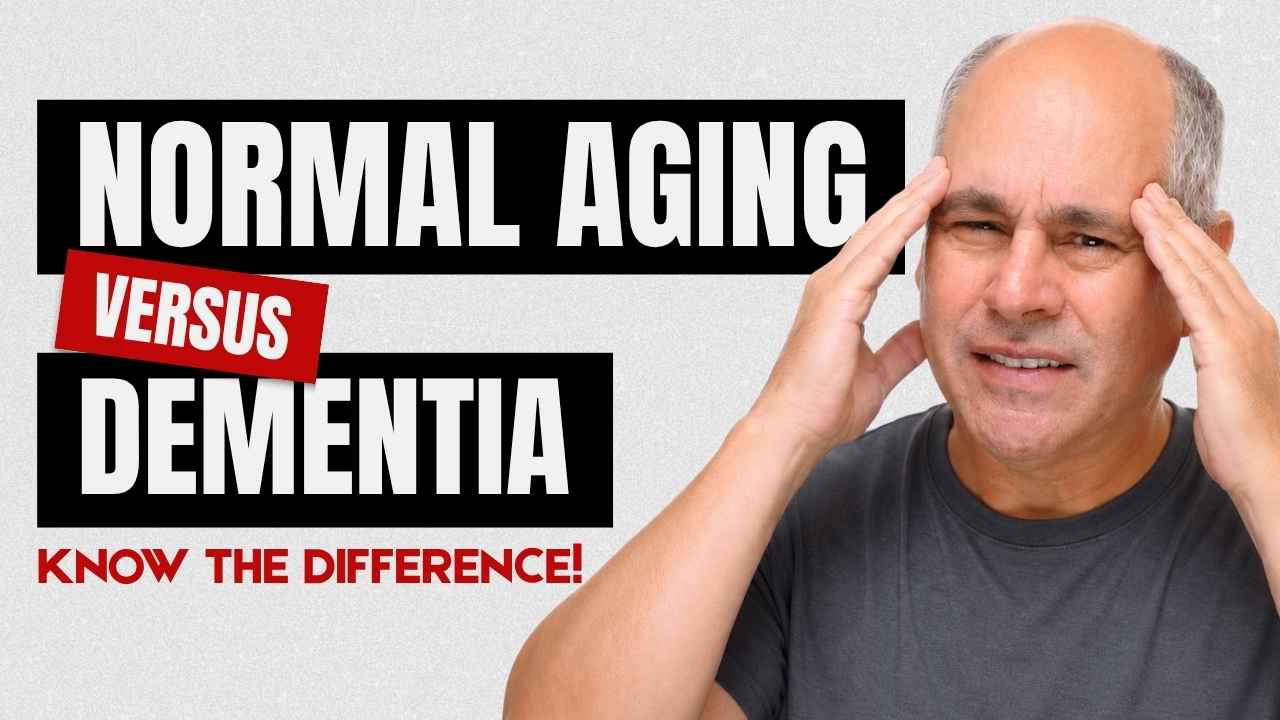

Ever walked into a room and forgotten why you’re there? Or blanked on a word that was just on the tip of your tongue? If you’re over 40, you’ve probably wondered, even just for a second, “Wait, is this normal, or should I be worried?”
You’re not alone. Nearly half of adults aged 40 and older believe they’ll likely develop dementia someday, and that fear makes every little memory slip feel loaded with meaning. But here’s the reassuring truth: dementia is not a normal part of aging. Plenty of people live their entire lives without ever developing it. At the same time, early signs of dementia can be subtle, easy to miss, and easy to explain away, which is exactly why so many cases go undiagnosed until the disease has already progressed.
So how do you actually tell the difference between “I’m just getting older” and “something more serious might be going on”? Let’s walk through it together, clearly and without the medical jargon.
Why This Question Matters So Much
Catching cognitive changes early isn’t about living in fear of every forgotten name. It’s about giving yourself, or someone you love, the best possible shot at options. Earlier identification can open the door to treatment, lifestyle adjustments, and long-term care planning while there’s still time to make thoughtful decisions rather than rushed ones. Misdiagnosis is also more common than people realize, especially in younger patients, so knowing what’s genuinely normal versus what deserves a second look empowers you to advocate for yourself or a family member.
Normal Aging: What’s Actually Expected
Our brains change as we get older, and that’s completely natural. Blood flow and communication between brain cells gradually slow down, and processing speed dips a bit with each passing decade. A 60-year-old brain simply doesn’t move as fast as a 20-year-old brain, and that’s fine. It’s not a warning sign; it’s biology.
Typical, age-related memory changes usually look like this:
- Forgetting where you set your keys or phone, but retracing your steps and finding them
- Blanking on a word mid-sentence, then remembering it later that day
- Forgetting an appointment occasionally, but recalling it once reminded
- Taking a little longer to learn a new gadget or app
- Making an occasional poor decision or missing a bill payment once in a while
The common thread here is that these moments are occasional, mild, and don’t stop you from living independently. You misplace something, but you find it. You blank on a name, but it comes back. Your daily routine stays intact.
Early Signs of Dementia: What’s Different
Dementia related memory loss looks and feels different. It’s not that a word slips your mind; it’s that the moment itself doesn’t get stored properly, so no amount of “thinking harder” brings it back. According to the Alzheimer’s Association, the early warning signs include:
- Memory loss that disrupts daily life, not just occasional forgetfulness
- Trouble planning or solving problems, like following a recipe or managing monthly bills
- Difficulty completing familiar tasks, such as driving to a well-known location or working a household appliance
- Confusion about time or place, including losing track of dates, seasons, or how you got somewhere
- New problems with words, either speaking or writing, like calling things by the wrong name
- Misplacing items and being unable to retrace steps to find them
- Decreased or poor judgment, especially around money or personal care
- Withdrawal from work, hobbies, or social activities
- Noticeable changes in mood or personality, such as increased confusion, suspicion, or anxiety
Family members often notice these shifts before the person experiencing them does. A spouse who repeats the same question multiple times in one conversation, or an adult child who realizes a parent hasn’t paid a bill in months, is often the first to connect the dots.
A Quick Side-by-Side Comparison
| Normal Aging | Early Signs of Dementia |
|---|---|
| Forgets a name, remembers it later | Forgets names of close family members |
| Loses keys occasionally, retraces steps | Puts items in unusual places and can’t retrace steps |
| Takes longer to learn something new | Struggles to complete tasks done for years |
| Misses a bill once, catches it later | Loses track of finances repeatedly |
| Stays engaged socially | Withdraws from hobbies and relationships |
| Personality stays consistent | Noticeable personality or mood changes |
If the changes you’re noticing sit consistently on the right side of that table, and they’re getting worse over time rather than staying the same, that’s the signal worth paying attention to.
Why It’s So Easy to Miss
Here’s the tricky part: many dementia symptoms genuinely resemble normal aging in the beginning. The differences are often about degree, frequency, and impact rather than the symptom itself. Everyone forgets things. The real question is whether that forgetfulness is occasional and recoverable, or frequent and disruptive to everyday independence.
It’s also worth ruling out other explanations before assuming the worst. Conditions like uncontrolled high blood pressure, diabetes, depression, thyroid issues, medication side effects, and even chronic stress can all cause memory and concentration problems that look a lot like early dementia but are actually treatable.
When to Talk to a Doctor
If you’re noticing memory or thinking changes that are frequent, progressive, or starting to interfere with daily responsibilities like driving, managing money, or holding a conversation, it’s time to bring it up with a healthcare provider. This is especially true if:
- The changes are getting worse over several months, not staying the same
- Family or friends have mentioned noticing a difference
- The person seems unaware of or unbothered by the changes (a red flag in itself)
- There’s a family history of Alzheimer’s disease or another dementia
A doctor can run cognitive screening tests, review medications, and check for treatable causes before considering a dementia diagnosis. If something about the answers you get doesn’t sit right, seeking a second opinion is a completely reasonable next step. Early evaluation isn’t about jumping to conclusions; it’s about ruling things in or out so you can plan with clarity instead of guesswork.
Supporting Brain Health at Any Age
Whether you’re dealing with normal aging or trying to reduce your risk of cognitive decline, the same everyday habits tend to help:
- Prioritize a nutrient-rich diet, particularly one similar to the Mediterranean diet, rich in vegetables, fish, olive oil, and omega-3 fatty acids
- Stay physically active with regular movement, even simple daily walks count
- Keep your brain engaged with new skills, puzzles, reading, or learning
- Prioritize quality sleep, since poor sleep is strongly linked to cognitive decline
- Stay socially connected, since isolation is associated with faster cognitive decline
- Manage chronic conditions like blood pressure, blood sugar, and cholesterol
None of these guarantee prevention, but they genuinely support long-term brain health and give you a sense of agency in the process.
The Bottom Line
A little forgetfulness here and there is simply part of being human and getting older. What matters is the pattern: is it occasional and recoverable, or frequent, progressive, and disruptive to daily life? Trust your instincts. If something feels different about how a loved one, or you, are thinking, remembering, or functioning day to day, it’s always worth a conversation with a healthcare provider. Early answers, whatever they turn out to be, give you the power to plan ahead on your own terms.
Disclaimer: This article is for general informational and educational purposes only and does not constitute medical advice, diagnosis, or treatment. It is not a substitute for professional medical consultation. Always seek the advice of a qualified physician or healthcare provider with any questions you may have regarding a medical condition, memory concerns, or symptoms of dementia. Never disregard professional medical advice or delay seeking it because of something you have read here. Reliance on any information provided in this article is solely at your own risk.

10 Body Changes After 60 Worth Discussing With Your Doctor
Download these helpful checklists to guide you through your buying and selling journey.Home Buyer's ChecklistHome Seller's ChecklistMistakes To Avoid

Morning Headaches in Seniors: 9 Causes, Warning Signs and What to Do
Download these helpful checklists to guide you through your buying and selling journey.Home Buyer's ChecklistHome Seller's ChecklistMistakes To Avoid

Sudden Weight Gain From Fluid Retention: Causes, Warning Signs & What to Do
Download these helpful checklists to guide you through your buying and selling journey.Home Buyer's ChecklistHome Seller's ChecklistMistakes To Avoid
Download these helpful checklists to guide you through your buying and selling journey.

Home Buyer’s Checklist

Home Seller’s Checklist

Mistakes To Avoid