
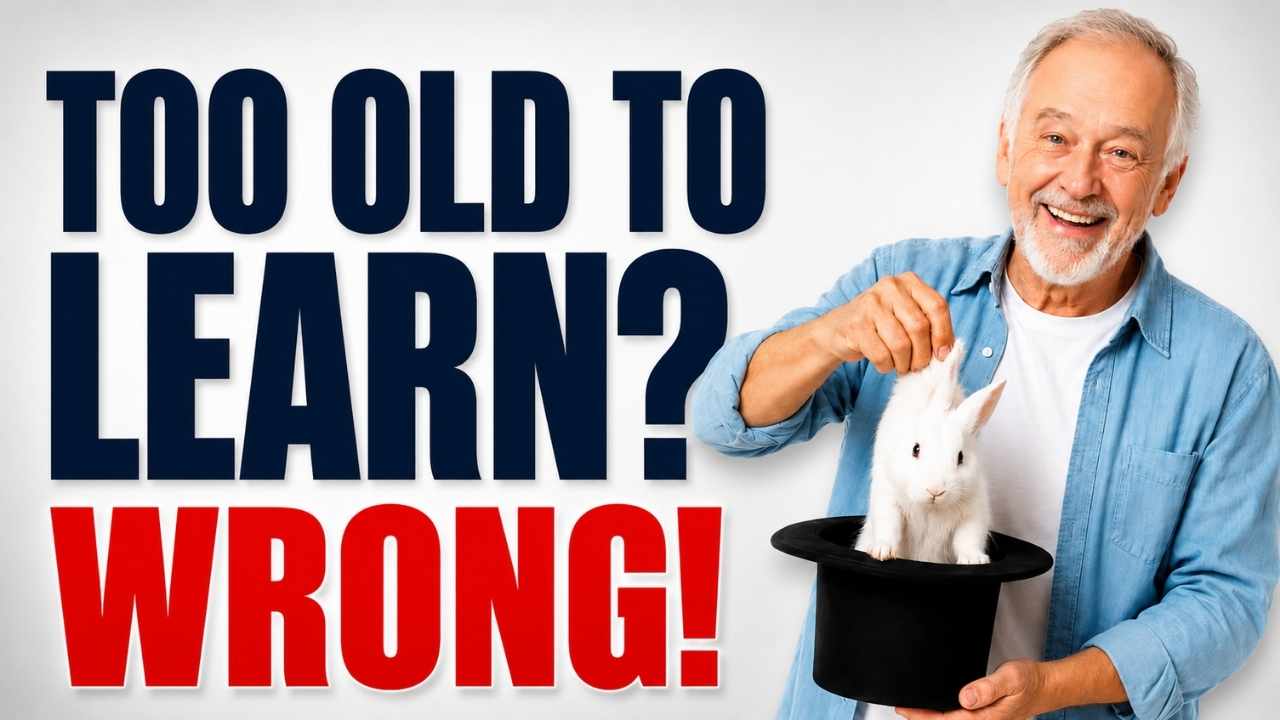

Somewhere along the way, a lot of us picked up the idea that learning is a young person's game. School, exams, cramming for tests. It made sense that once those years were behind us, so was the learning.
Except that is not true, and the research backs this up.
If you are over 60 and have caught yourself thinking about learning a new skill, whether it is painting, a new language, gardening, or finally figuring out your smartphone, this guide is for you. No pressure, no jargon, and no assumption that you need to become an expert overnight. Just a friendly, honest walkthrough of how to learn new skills after 60 without feeling overwhelmed.
Your Brain Is More Capable Than You Think
Let's clear up the biggest myth first: the idea that you cannot teach an old dog new tricks.
Research tells a different story. Studies on older adults who tried unfamiliar activities, like digital photography or quilting, found real improvements in memory compared to people who stuck to familiar routines. Learning something new appears to build fresh pathways in the brain, and those pathways help keep your mind sharp.
There is more good news. People who continue learning later in life tend to report feeling less isolated and less prone to low mood. It makes sense when you think about it: learning often comes with community, curiosity, and a sense of purpose, and all three are protective for your mental health as you age.
There is also encouraging evidence connecting ongoing mental engagement with a reduced likelihood of showing signs of cognitive decline. None of this means learning guarantees anything. It simply means your brain is not done growing, no matter your age.
Why Learning Can Feel Overwhelming After 60 (And Why That's Normal)
If the idea of learning something new makes your stomach tighten a little, you are not alone, and there are real reasons for it.
Lack of confidence is often the biggest hurdle, not lack of ability. Many older adults second guess themselves even on simple tasks, which can make everything feel slower and harder than it actually is.
Test anxiety shows up too. If school was stressful for you decades ago, that old feeling can resurface the moment something feels like a "lesson."
Comparing yourself to younger learners does not help either. Your pace is not their pace, and it does not need to be.
The good news is that none of these obstacles are permanent. They are simply things to work around, and the strategies below are built to do exactly that.

How to Learn New Skills After 60, Without the Overwhelm
Start Absurdly Small
Forget "I'm going to learn Spanish." Try "I'll learn five new words this week." Small, specific goals are far easier to hit, and hitting them builds the kind of momentum that keeps you going.
Progress, not perfection, is the goal. Every small win adds up.
Protect a Short, Consistent Window of Time
You do not need hours of free time to make real progress. Many successful older learners set aside just 15 to 45 minutes a day rather than a big block once a week. A short daily habit, like reading a page before bed or watching one tutorial with your morning coffee, tends to stick far better than an ambitious weekend session that gets skipped when life gets busy.
Choose Something You Actually Want to Learn
This sounds obvious, but it matters. Skills tied to genuine curiosity, whether that is gardening, painting, playing an instrument, or learning to use new technology, are much easier to stick with than skills you feel like you "should" learn. Interest fuels consistency.
Learn With Other People When You Can
Book clubs, community classes, hobby groups, and senior learning programs do double duty. You pick up a new skill and you build connection at the same time. Learning alongside others also takes some of the pressure off, since everyone in the room is a beginner at something.
Expect Frustration, and Don't Let It Be the Signal to Quit
Every new skill comes with an awkward, uncomfortable beginner phase. That frustration is not a sign you are failing. It is a normal part of how learning works, at any age. The people who stick with it are not the ones who never struggle. They are the ones who keep showing up anyway.
Move Your Body
There is a genuine link between physical activity and learning capacity. Staying physically active supports the growth of new brain cells, which can make picking up new information a little easier. You do not need an intense workout routine, regular movement of any kind can help.
Give It Time Before You Judge Your Progress
Many people underestimate how long meaningful skill building takes and give up too early. Roughly 90 days is often cited as a helpful benchmark. This is enough time to move past the frustrating beginner stage into real, felt competence, but short enough to stay motivated. Give yourself that runway before deciding whether a skill is "for you."

Skills Worth Considering After 60
If you are not sure where to start, here are a few approachable, popular options:
- A creative outlet, like painting, drawing, or recitation and storytelling
- A new language, even just conversational basics for travel
- Gardening, which combines gentle physical activity with visible, rewarding progress
- A musical instrument, which can be picked up at any age with patience
- Basic technology skills, like using a smartphone confidently or trying digital photography
- Cooking a new cuisine, which turns learning into something you can taste and share
There is no wrong answer here. The best skill to learn is the one that genuinely pulls at your curiosity.

A Gentle Reminder
You are not behind. There is no deadline on learning, and no rulebook that says you needed to have started sooner. Adult education participation among people 60 and older has grown substantially over the past decade, which means you are in good company.
Learning after 60 is not about proving anything. It is about staying curious, staying connected, and giving yourself permission to be a beginner again. That alone is worth celebrating.
Disclaimer: This article is for general informational and educational purposes only and does not constitute medical, psychological, or professional advice. While it references publicly available research on aging, learning, and cognitive health, individual results can vary, and this content should not be used as a substitute for guidance from a qualified healthcare provider or specialist. Always consult a medical professional before making changes related to your health, cognitive wellbeing, or physical activity levels. The author and publisher are not liable for any actions taken based on the information provided in this article.

10 Body Changes After 60 Worth Discussing With Your Doctor
Download these helpful checklists to guide you through your buying and selling journey.Home Buyer's ChecklistHome Seller's ChecklistMistakes To Avoid
Morning Headaches in Seniors: 9 Causes, Warning Signs and What to Do
Download these helpful checklists to guide you through your buying and selling journey.Home Buyer's ChecklistHome Seller's ChecklistMistakes To Avoid

Sudden Weight Gain From Fluid Retention: Causes, Warning Signs & What to Do
Download these helpful checklists to guide you through your buying and selling journey.Home Buyer's ChecklistHome Seller's ChecklistMistakes To Avoid
Download these helpful checklists to guide you through your buying and selling journey.

Home Buyer’s Checklist

Home Seller’s Checklist

Mistakes To Avoid