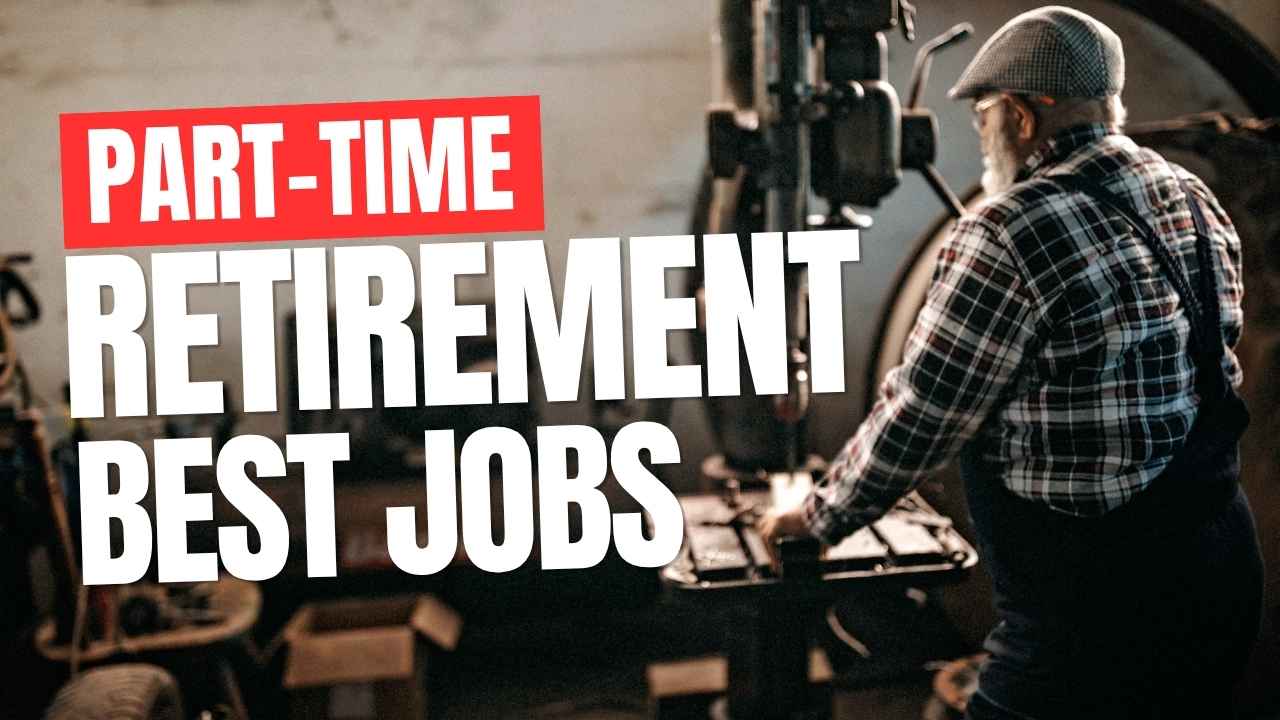

So you’ve retired. Congratulations, that’s a huge milestone. But maybe a few months in, something feels a little off. The days feel long. You miss the people from the office. Or maybe your retirement savings just aren’t stretching quite as far as you’d hoped. If any of that sounds familiar, you’re not alone, and you’re definitely not doing retirement “wrong.”
Here’s a fact that might surprise you: nearly 4 in 10 adults aged 65 and older are still working part time, and more than half of people who plan to retire at 70 or later expect to keep working in some capacity. Retirement today doesn’t always mean a hard stop. For a lot of people, it looks more like a gradual shift, easing out of full-time work and into something lighter, more flexible, and often more meaningful.
So the real question isn’t whether working in retirement is “normal.” It clearly is. The real question is whether it’s right for you. Let’s break down the honest pros and cons, then walk through some of the best part-time jobs retirees are turning to right now, including a few surprising ones in real estate.
Why Retirees Are Going Back to Work (Even a Little)
Before diving into the pros and cons, it helps to understand why this trend keeps growing. It usually comes down to one (or more) of these:
- Retirement savings need a boost, or you want to avoid drawing down your nest egg too fast
- You miss the structure, purpose, and identity that came with your career
- You crave the social connection of coworkers and regular interaction
- You want to fund something specific: travel, grandkids, a hobby, home renovations
- You’re simply not ready to stop being active and engaged
None of these reasons are wrong. In fact, most retirees who work part time say it’s driven by a mix of financial and emotional motivations, not just the paycheck.
The Pros of Working Part-Time in Retirement
1. Extra Income Without Draining Your Savings
This is the most obvious benefit. A part-time paycheck can supplement Social Security, cover discretionary spending like travel or hobbies, and take pressure off your retirement accounts. If you’ve saved enough to get by but don’t want to live entirely off savings and Social Security, even a modest income stream can make your money last significantly longer.
2. A Renewed Sense of Purpose
Many retirees underestimate how much of their identity and daily structure was tied to their job. Once that’s gone, some people feel a real void. A part-time role, even a low-stakes one, can restore a sense of purpose and accomplishment that’s hard to replace with leisure alone.
3. Social Connection
Loneliness is one of the most underdiscussed risks of retirement, especially for those whose social circle was mostly built around coworkers. A part-time job gets you out of the house, talking to people, and building new relationships. Research has even linked strong social ties to lower stress and better long-term health outcomes.
4. Mental and Physical Stimulation
Staying engaged, whether that’s problem-solving, learning new skills, or simply staying on your feet, can help keep your mind sharp. Several recent studies link continued light work to better cognitive health in older adults, as long as the work isn’t overly physically demanding.
5. Flexibility You Never Had Before
The best part about part-time work in retirement is that you’re usually not locked into a 9-to-5 grind. You get to choose roles with schedules that work around your life, not the other way around.
The Cons of Working Part-Time in Retirement
1. It Can Affect Your Social Security Benefits
This is the one that catches people off guard. If you’re collecting Social Security before reaching full retirement age and you earn above a certain annual limit, your benefit can be temporarily reduced. On top of that, part-time income can push your “provisional income” high enough that a portion of your Social Security becomes taxable. It’s not a dealbreaker, but it’s essential to run the numbers before you commit to a job.
2. Tax Bracket Creep
Extra income is great, until it bumps you into a higher tax bracket or triggers additional taxes you weren’t expecting. This is especially worth discussing with a financial advisor or tax professional before you start earning again.
3. Hidden Costs Add Up
Commuting, work attire, meals out, and other small expenses can quietly eat into your extra income. If the job doesn’t pay well or isn’t close to home, the “extra income” might be smaller than it looks on paper.
4. Less Free Time Than You Expected
Retirement is supposed to give you your time back. Even a part-time schedule comes with commitments: set shifts, deadlines, or client expectations. If you’re already busy with grandkids, volunteering, or hobbies, adding a job can create real scheduling stress.
5. The Job Market Isn’t Always Kind to Older Workers
Unfortunately, ageism is real, and some retirees find it harder than expected to land a role that’s actually fulfilling, not just available. It can take patience and some creative searching to find the right fit.
So, Should You Do It?
There’s no universal answer here. It really comes down to a few honest questions:
- Do I need the income, or do I want it for extra flexibility and fun?
- Am I looking for purpose and connection more than a paycheck?
- Can I financially afford for this to not work out?
- Do I have the time and energy to commit to a schedule, even a light one?
If your answers point toward “yes, this could genuinely improve my retirement,” it’s worth exploring. If it feels like an obligation rather than a choice, that’s worth paying attention to as well.
12 Best Part-Time Jobs for Retirees
Here’s a well-rounded list of part-time jobs that tend to be a great fit for retirees, whether you’re chasing extra income, structure, or simply something fun to do with your time.
1. Real Estate Referral Agent
If you like the idea of real estate but don’t want to manage full transactions, you can get licensed and simply refer clients to active agents in exchange for a referral fee. It’s a much lower-effort path into the industry.
2. Consultant in Your Former Field
Whether you were in finance, law, engineering, HR, or healthcare, companies often pay well for experienced consultants on a project basis. It’s flexible, respects your expertise, and doesn’t require a long-term commitment.
3. Tax Preparer
Seasonal, well-paying, and a great fit if you’re detail-oriented. Many retirees work just a few months a year during tax season and take the rest of the year off.
4. Substitute Teacher or Tutor
If you enjoy working with young people, substitute teaching or private tutoring offers flexible scheduling and the reward of staying connected to your community.
5. Bookkeeper or Accountant (Part-Time)
Small businesses often need help a few hours a week, making this a great low-physical-demand option for retirees with a financial background.
6. Museum, Park, or Tour Guide
If you love history, nature, or your local community, working at a museum, national park, or as a tour guide often comes with perks like free admission and a genuinely enjoyable environment.
7. Retail or Customer Service (Seasonal or Flexible)
Retail roles, especially seasonal ones, offer social interaction and structure without the pressure of a full-time commitment.
8. Pet Sitting or Dog Walking
Low physical demand, flexible hours, and a great option if you love animals. Platforms make it easy to find clients without needing to market yourself.
9. Rideshare or Delivery Driver
For retirees who enjoy driving and meeting new people, gig platforms let you set your own hours and work as much or as little as you like.
10. Freelance Writer or Blogger
If you have expertise or a hobby you love, writing (or blogging about it) can turn into steady freelance income over time, and it’s entirely remote.
11. Virtual Assistant or Remote Customer Service
No commute, flexible hours, and minimal physical demand. A solid choice for retirees who want to work from home.
12. Financial Advisor or Planning Consultant
If you have a finance background, part-time advisory work lets you use decades of expertise to help others while working on your own terms.
A Few Tips Before You Start Applying
- Talk to a financial advisor about how part-time income could affect your Social Security and taxes
- Be upfront with employers about your availability, especially if you plan to travel
- Look for roles that align with something you actually enjoy, not just something that pays
- Start small. You can always increase your hours if it’s working well for you
The Bottom Line
Working part-time in retirement isn’t a sign that something went wrong with your plan. For a lot of retirees, it’s simply the next chapter, one with more flexibility, more choice, and a lot less pressure than a full-time career ever offered. Whether you’re drawn to real estate, consulting, tutoring, or something as simple as dog walking, the right part-time job can add income, purpose, and connection to your retirement, without taking away the freedom you worked so hard to earn.
Disclaimer: This article is for general informational and educational purposes only and does not constitute financial, tax, legal, or professional career advice. Social Security rules, tax thresholds, and licensing requirements can change and may vary based on individual circumstances and location. Before making decisions about working during retirement, please consult a qualified financial advisor, tax professional, or licensed attorney who can evaluate your specific situation.

10 Body Changes After 60 Worth Discussing With Your Doctor
Download these helpful checklists to guide you through your buying and selling journey.Home Buyer's ChecklistHome Seller's ChecklistMistakes To Avoid

Morning Headaches in Seniors: 9 Causes, Warning Signs and What to Do
Download these helpful checklists to guide you through your buying and selling journey.Home Buyer's ChecklistHome Seller's ChecklistMistakes To Avoid

Sudden Weight Gain From Fluid Retention: Causes, Warning Signs & What to Do
Download these helpful checklists to guide you through your buying and selling journey.Home Buyer's ChecklistHome Seller's ChecklistMistakes To Avoid
Download these helpful checklists to guide you through your buying and selling journey.

Home Buyer’s Checklist

Home Seller’s Checklist

Mistakes To Avoid