
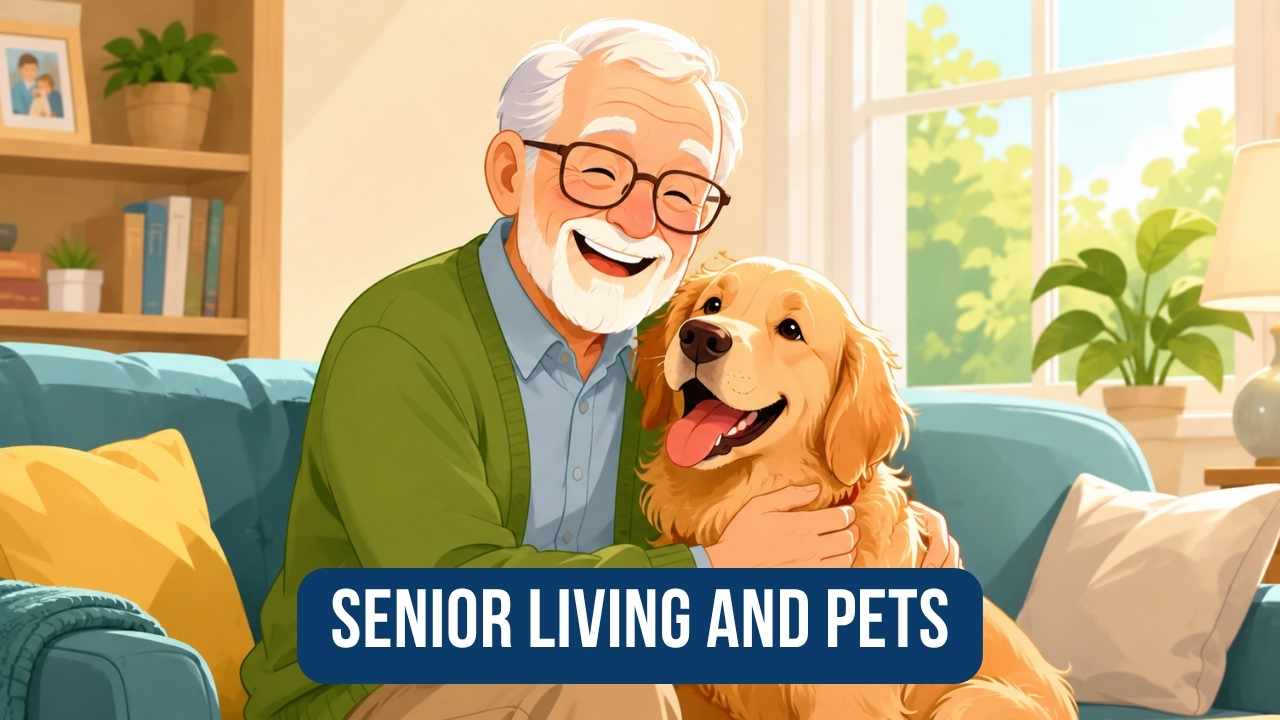

As people age, emotional wellness becomes just as important as physical health. Many seniors experience loneliness, stress, grief, or reduced social interaction after retirement, health changes, or the loss of loved ones. One surprisingly powerful source of comfort and emotional support can come from pets.
Studies have shown that pets can improve mental well-being, encourage physical activity, and provide emotional stability for older adults. Whether it’s a loyal dog, a calming cat, or even a small bird or fish, animals can bring meaningful companionship into a senior’s daily life.
Here are some of the biggest ways pets improve emotional wellness for seniors.
1. Pets Help Reduce Loneliness
Many seniors live alone or spend long hours without regular social interaction. Pets provide companionship and emotional connection that can reduce feelings of isolation.
Having a pet nearby creates comfort and routine. Even simple interactions like petting a dog or talking to a cat can make a home feel more alive and less empty.


2. Pets Can Lower Stress and Anxiety
Research suggests that interacting with pets may help lower stress hormones and promote relaxation. The act of petting an animal can have a calming effect on the nervous system.
For seniors dealing with anxiety, grief, or emotional stress, pets can provide comfort during difficult moments.


3. Pets Encourage Daily Routine and Purpose
Caring for a pet creates structure and responsibility. Feeding, walking, grooming, and interacting with an animal gives seniors a sense of purpose and motivation each day.
Daily routines can improve emotional stability and help reduce feelings of boredom or sadness.


4. Pets Promote Physical Activity
Dogs especially encourage movement through daily walks and outdoor activity. Even light physical activity can support better mood, mobility, and overall wellness for seniors.
Exercise also helps improve sleep quality and energy levels.


5. Pets Help Seniors Stay Socially Connected
Pets often create opportunities for conversations and social interaction. Walking a dog, visiting a pet park, or talking with neighbors about pets can help seniors build social connections.
This can be especially beneficial for retirees who may no longer have regular workplace interaction.


6. Certain Pets May Support Heart Health
Some studies suggest that pet ownership may contribute to lower blood pressure and improved cardiovascular wellness due to reduced stress and increased activity.
While pets are not a replacement for medical care, they may positively support overall lifestyle habits.


7. Choosing the Right Pet Matters
Not every pet is ideal for every senior lifestyle. Energy level, mobility, housing situation, allergies, and financial responsibilities should all be considered before adopting an animal.
For some seniors, lower-maintenance pets such as cats, birds, or fish may be a better fit than large active dogs.


Final Thoughts
Pets can bring comfort, companionship, emotional support, and daily purpose into the lives of seniors. While they are not a cure for loneliness or mental health conditions, they can play an important role in improving emotional wellness and quality of life.
For many older adults, the bond between a person and a pet becomes one of the most meaningful relationships in healthy aging.
Disclaimer
This article is for informational and educational purposes only and does not constitute medical, psychological, or professional healthcare advice. Individuals should consult qualified healthcare providers, therapists, or medical professionals regarding emotional wellness, mental health concerns, or physical limitations before adopting or caring for a pet. Pet ownership also involves financial, physical, and long-term responsibilities that should be carefully considered.

10 Body Changes After 60 Worth Discussing With Your Doctor
Download these helpful checklists to guide you through your buying and selling journey.Home Buyer's ChecklistHome Seller's ChecklistMistakes To Avoid

Morning Headaches in Seniors: 9 Causes, Warning Signs and What to Do
Download these helpful checklists to guide you through your buying and selling journey.Home Buyer's ChecklistHome Seller's ChecklistMistakes To Avoid
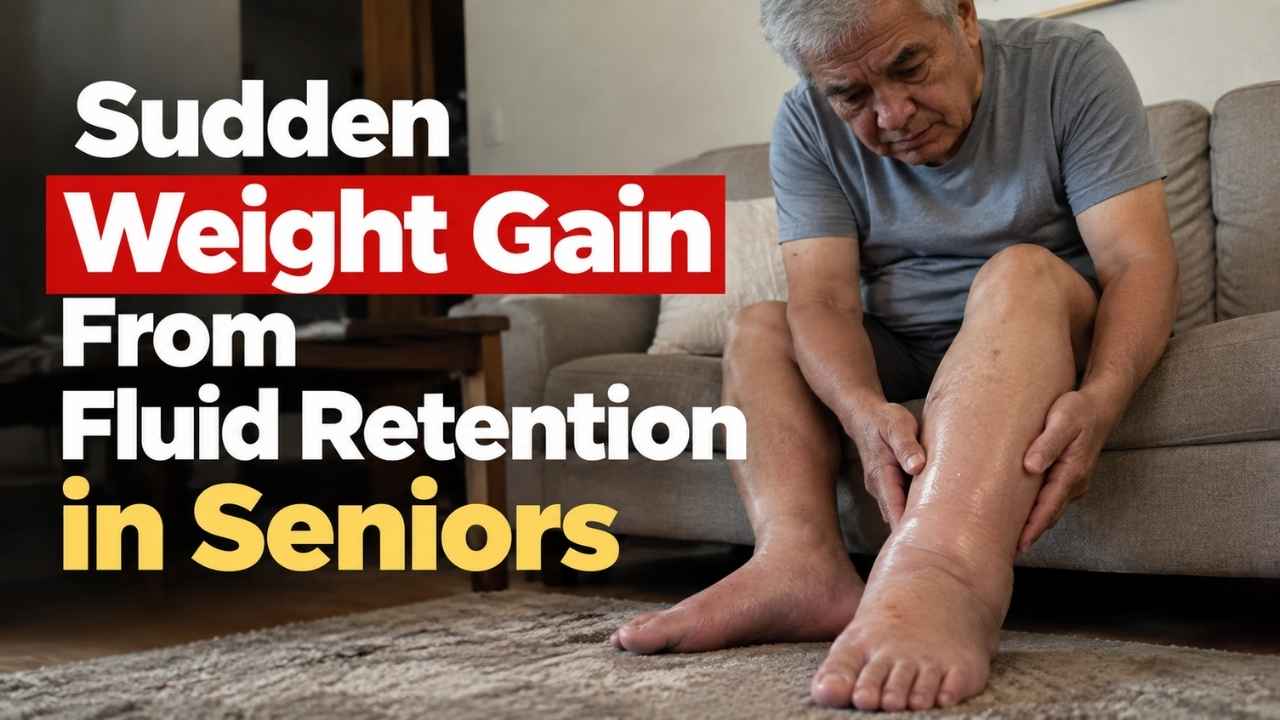
Sudden Weight Gain From Fluid Retention: Causes, Warning Signs & What to Do
Download these helpful checklists to guide you through your buying and selling journey.Home Buyer's ChecklistHome Seller's ChecklistMistakes To Avoid
Download these helpful checklists to guide you through your buying and selling journey.

Home Buyer’s Checklist

Home Seller’s Checklist

Mistakes To Avoid