
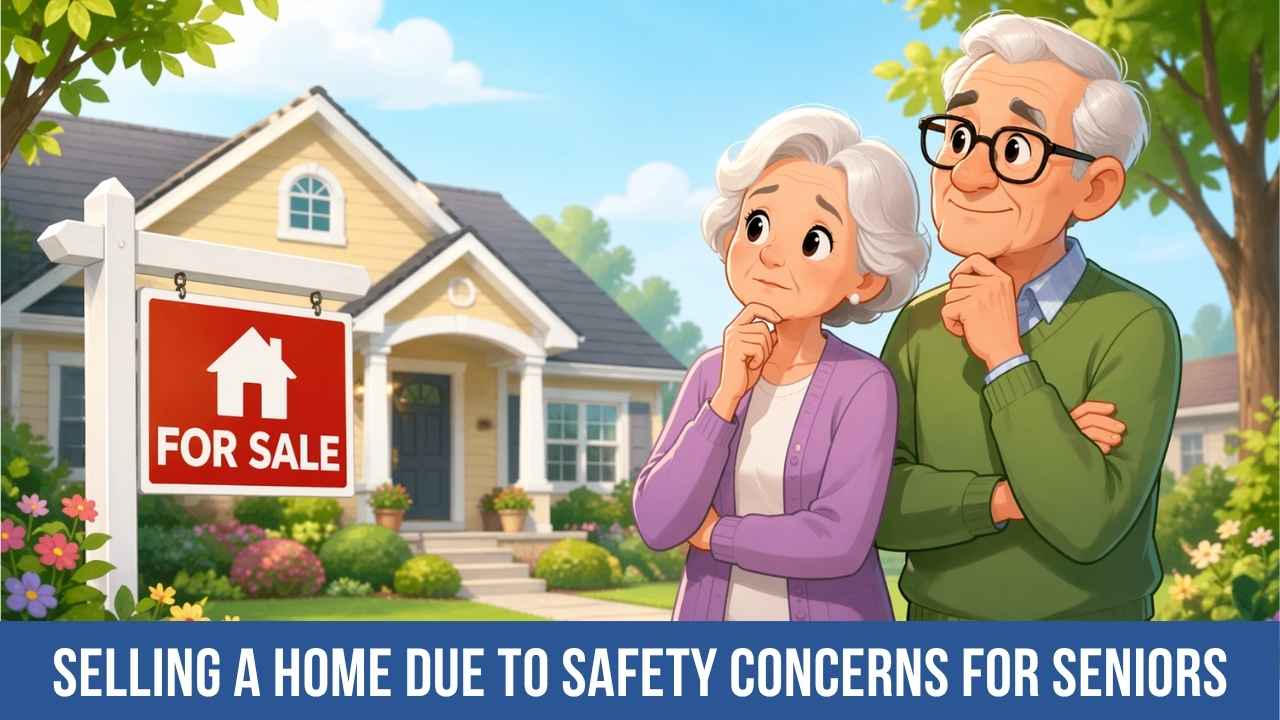

Selling a Home Due to Safety Concerns: What to Know
As homeowners age, the house that once felt comfortable can gradually become a source of risk. Falls, limited mobility, and outdated layouts are among the leading reasons families consider selling. Understanding when to act—and how to do it strategically—can protect both safety and financial well-being.
Below are the key factors to evaluate before making that decision.
1. Recognizing Safety Red Flags


Common indicators that a home is no longer safe include:
- Frequent near-falls or actual falls
- Difficulty navigating stairs
- Poor lighting in key areas
- Cluttered or narrow walkways
These risks aren’t minor—falls are one of the leading causes of injury among older adults. If incidents are recurring, modifications may no longer be enough.
2. Evaluating Whether Modifications Are Enough


Before selling, assess whether the home can be adapted. Common upgrades include:
- Installing grab bars and ramps
- Adding stair lifts
- Converting bathrooms to walk-in showers
However, structural limitations, high costs, or layout constraints (multi-level homes, tight spaces) can make renovations impractical or only partially effective.
3. Financial Considerations


Selling a home involves both costs and opportunities:
- Agent commissions and closing costs
- Potential capital gains implications
- Equity that can fund safer housing options
For many seniors, selling unlocks liquidity that can be redirected into a safer, more manageable living environment.
4. Choosing the Next Living Arrangement


Safety-driven moves often lead to:
- Single-level homes or condos
- Senior-friendly communities
- Assisted living environments
- Multi-generational housing setups
The right choice depends on mobility, health status, and desired level of independence.
5. Timing the Sale Strategically


Waiting too long can increase risk. Ideally:
- Sell before a major incident occurs
- Plan during stable health conditions
- Consider current market demand and pricing trends
A proactive sale provides more control over timing, pricing, and relocation decisions.
6. Involving Family and Professionals


This decision shouldn’t happen in isolation. Key contributors include:
- Family members or caregivers
- Real estate professionals
- Financial advisors
- Healthcare providers
A collaborative approach ensures the decision balances safety, finances, and emotional readiness.
Final Thought
Selling a home due to safety concerns is not just a real estate transaction—it’s a quality-of-life decision. The goal isn’t simply to move, but to transition into an environment that supports independence, reduces risk, and aligns with long-term health needs.
Disclaimer
This article is for informational purposes only and does not constitute medical, legal, or financial advice. Every situation is unique. Consult with qualified healthcare providers, licensed real estate professionals, and financial advisors before making decisions related to home safety or property sales.
Download these helpful checklists to guide you through your buying and selling journey.

Home Buyer’s Checklist

Home Seller’s Checklist

Mistakes To Avoid

10 Body Changes After 60 Worth Discussing With Your Doctor
Download these helpful checklists to guide you through your buying and selling journey.Home Buyer's ChecklistHome Seller's ChecklistMistakes To Avoid

Morning Headaches in Seniors: 9 Causes, Warning Signs and What to Do
Download these helpful checklists to guide you through your buying and selling journey.Home Buyer's ChecklistHome Seller's ChecklistMistakes To Avoid

Sudden Weight Gain From Fluid Retention: Causes, Warning Signs & What to Do
Download these helpful checklists to guide you through your buying and selling journey.Home Buyer's ChecklistHome Seller's ChecklistMistakes To Avoid