
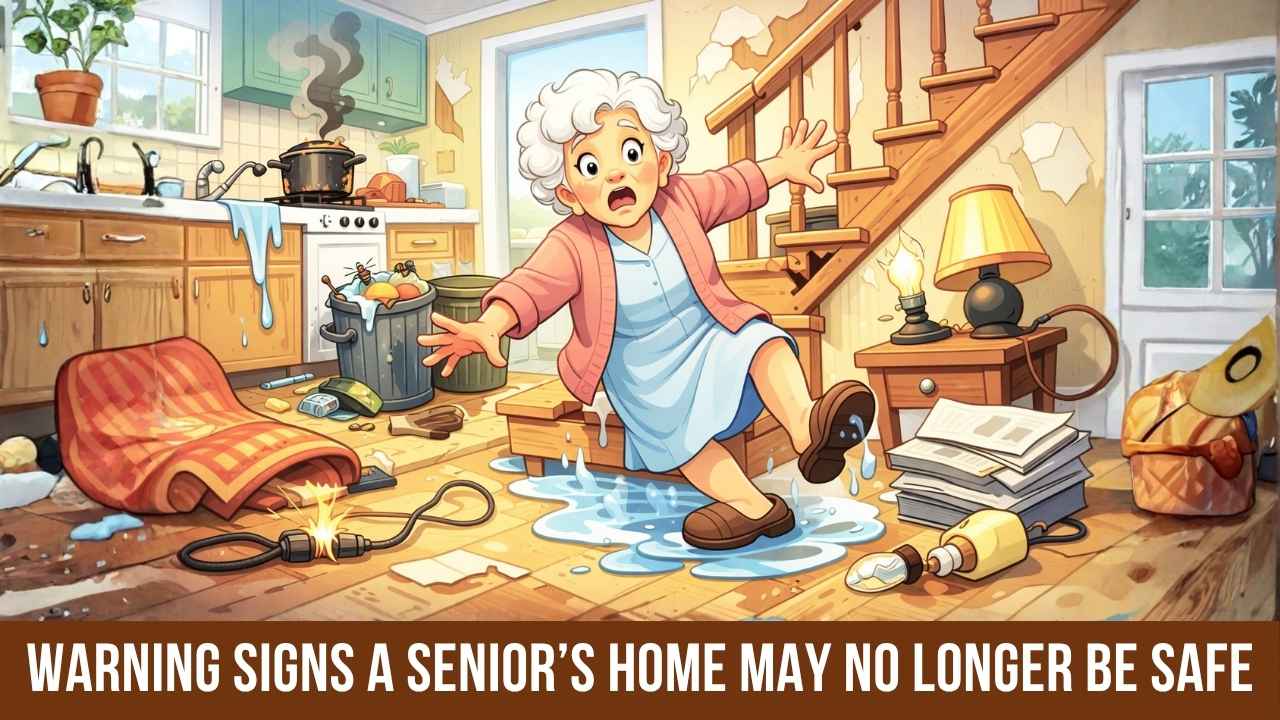

As more older adults choose to age in place, ensuring their home remains safe becomes critical. However, safety risks often develop gradually—making them easy to overlook until a serious incident occurs. Recognizing early warning signs can help prevent injuries, hospitalizations, and a decline in quality of life.
Below are 10 key indicators that a senior’s home environment may no longer be safe.
1. Frequent Falls or Near Misses


Repeated falls—or even “almost falls”—are one of the strongest predictors of future injury. These often result from poor lighting, loose rugs, or declining balance and strength.
2. Cluttered Walkways and Living Spaces

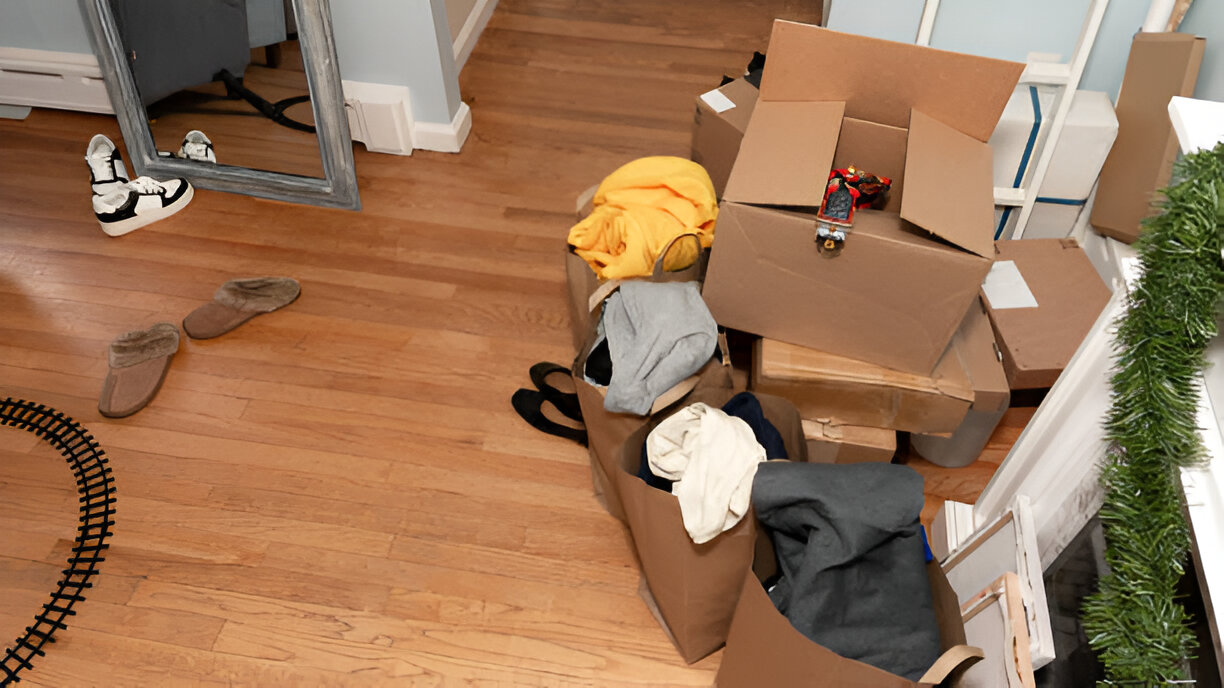
Excessive clutter increases fall risk and may signal cognitive decline, mobility issues, or difficulty maintaining the home.
3. Poor Personal Hygiene or Unkempt Appearance



If a senior appears consistently unclean or disheveled, it may indicate challenges with bathing, dressing, or accessing bathroom facilities safely.
4. Burn Marks or Kitchen Accidents


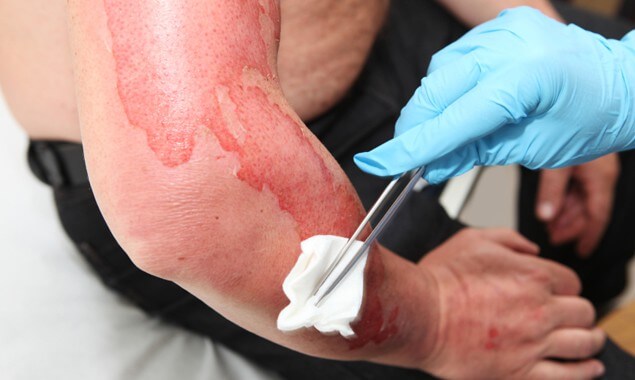
Scorched cookware, burn marks, or frequent minor kitchen mishaps suggest declining memory, vision, or coordination—raising fire and injury risks.
5. Unpaid Bills or Disorganized Paperwork


Missed payments or financial disorganization can point to cognitive impairment or difficulty managing daily responsibilities.
6. Expired or Mismanaged Medications


Improper medication use—such as missed doses, duplicates, or expired prescriptions—can lead to serious health complications.
7. Noticeable Weight Loss or Spoiled Food



An empty fridge or expired food may indicate difficulty shopping, cooking, or remembering to eat regularly.
8. Limited Mobility Within the Home

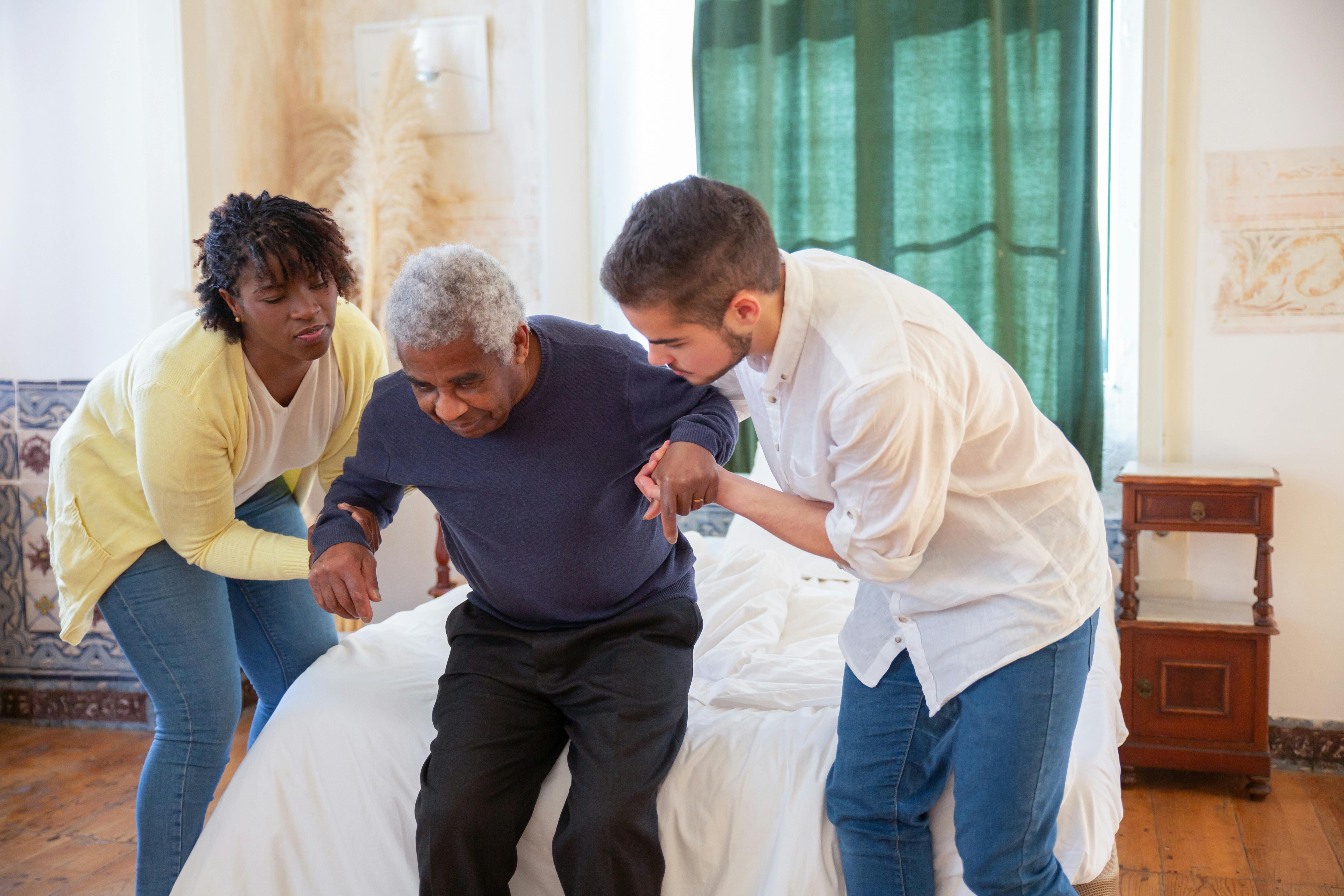
Struggling to move between rooms, climb stairs, or stand up safely suggests the home layout may no longer match the senior’s physical capabilities.
9. Neglected Home Maintenance
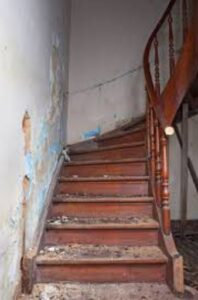


Broken fixtures, poor lighting, or unrepaired hazards increase the risk of injury and may reflect an inability to manage upkeep.
10. Social Withdrawal or Isolation

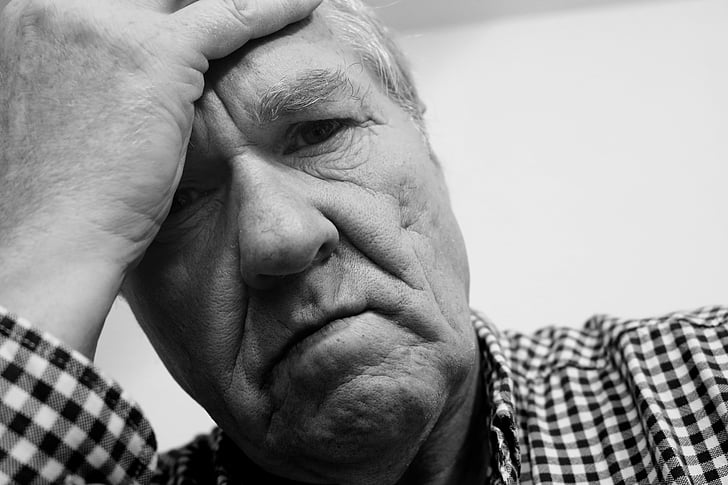
Reduced social interaction can contribute to depression, cognitive decline, and decreased awareness of safety risks inside the home.
Final Thoughts
A safe home is not just about structure—it’s about how well it supports a senior’s physical, cognitive, and emotional needs. When multiple warning signs appear, it may be time to consider home modifications, caregiver support, or alternative living arrangements.
Early intervention can significantly reduce risks and help seniors maintain independence longer.
Disclaimer
This article is for informational purposes only and does not constitute medical, legal, or professional advice. Always consult with a qualified healthcare provider, licensed contractor, or certified aging-in-place specialist before making decisions regarding a senior’s health, safety, or living arrangements. Individual needs and conditions may vary, and professional assessment is recommended for accurate evaluation.
Download these helpful checklists to guide you through your buying and selling journey.

Home Buyer’s Checklist

Home Seller’s Checklist
Mistakes To Avoid

10 Body Changes After 60 Worth Discussing With Your Doctor
Download these helpful checklists to guide you through your buying and selling journey.Home Buyer's ChecklistHome Seller's ChecklistMistakes To Avoid
Morning Headaches in Seniors: 9 Causes, Warning Signs and What to Do
Download these helpful checklists to guide you through your buying and selling journey.Home Buyer's ChecklistHome Seller's ChecklistMistakes To Avoid
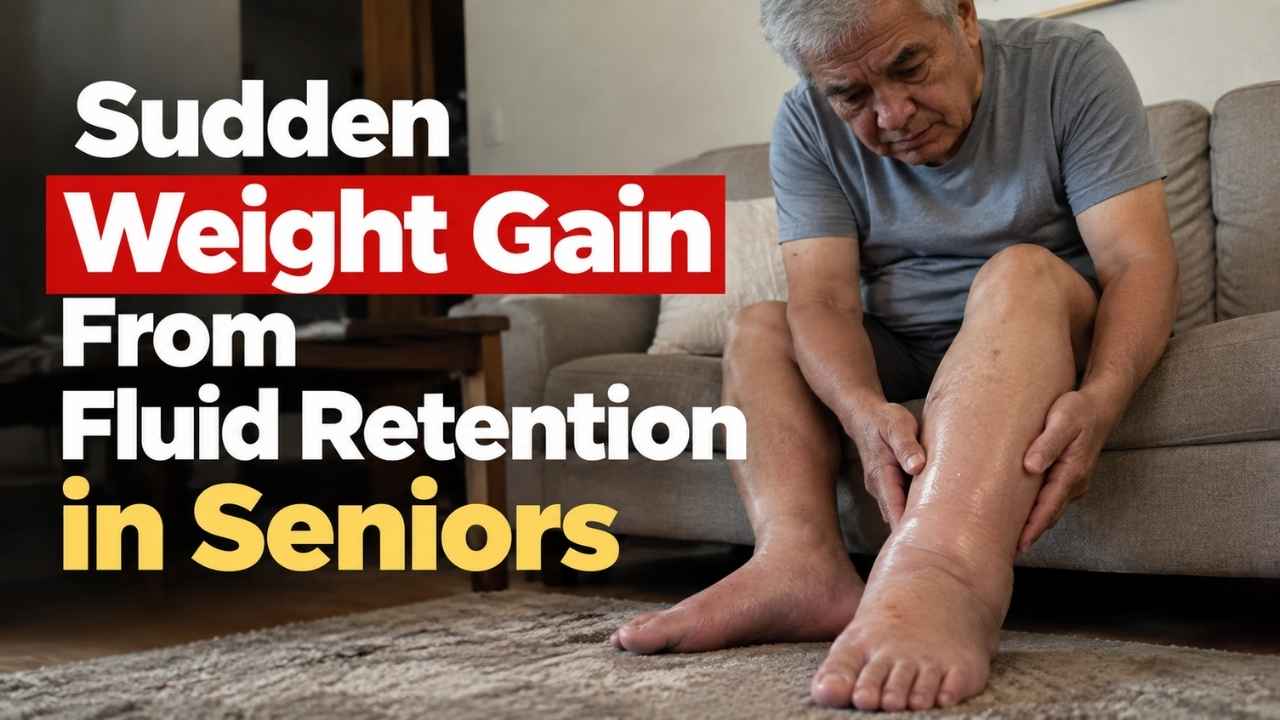
Sudden Weight Gain From Fluid Retention: Causes, Warning Signs & What to Do
Download these helpful checklists to guide you through your buying and selling journey.Home Buyer's ChecklistHome Seller's ChecklistMistakes To Avoid