
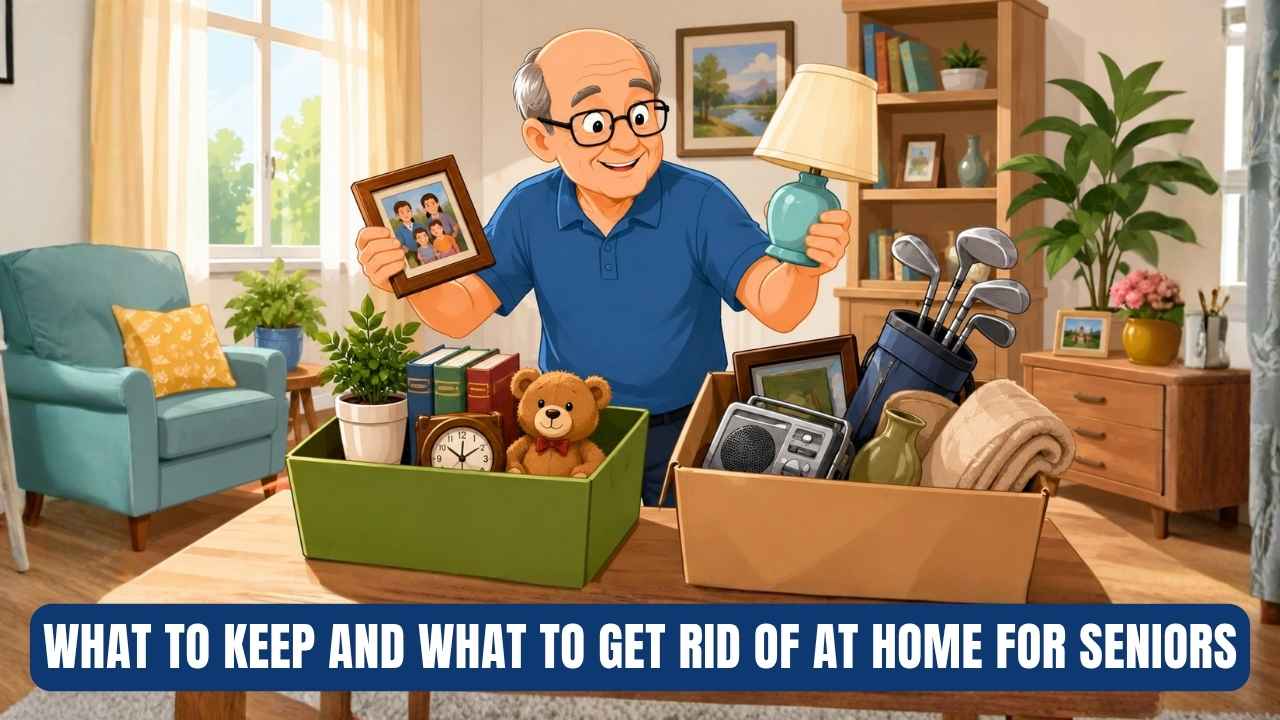

What to Keep and What to Get Rid Of at Home for Seniors: A Room-by-Room Safety & Downsizing Guide
Let’s be honest — most of us hold onto things “just in case.” A closet full of maybe-someday items. A rug that’s been in the family for twenty years. A stack of expired medications tucked in the back of a cabinet. None of it feels dangerous… until it is.
For seniors and the people who love them, the goal isn’t to strip a home down to nothing. It’s to keep what truly matters — the comfort, the memories, the independence — while clearing out what quietly gets in the way. Falls are the leading cause of injury among older adults, and most of them happen at home, in ordinary rooms, because of ordinary clutter. The good news? A few honest decisions in each room can make a home dramatically safer without making it feel any less like home.
Here’s a simple, room-by-room walkthrough of what to keep and what to eliminate.
Living Room: Keep the Comfort, Clear the Clutter
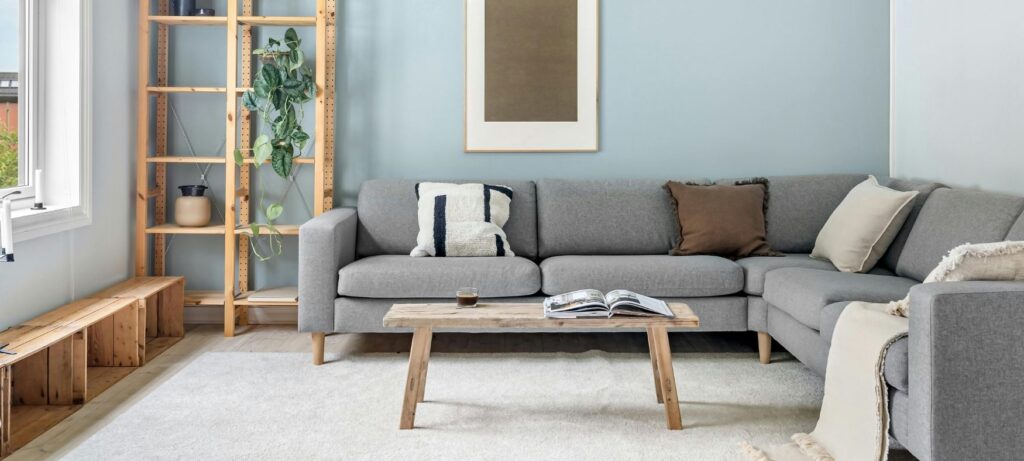
Keep:
- A clear, direct walking path between the door, seating, and hallway
- One or two favorite chairs with sturdy arms for pushing up to stand
- A phone or charging station within arm’s reach of the main seat
- Good lighting, including a lamp that’s easy to reach from a seated position
Eliminate:
- Loose throw rugs and runners, which are one of the most common tripping hazards in the home
- Low coffee tables or ottomans sitting in main walkways
- Tangled or exposed electrical cords stretching across the floor
- Excess side tables, magazine racks, or decorative clutter that narrows the walking path
Bedroom: Keep It Reachable, Remove the Reach-and-Stretch Risks

Keep:
- A nightstand within arm’s reach holding glasses, water, phone, and a flashlight
- A bed at a height that allows easy, stable sitting and standing
- A nightlight or motion-activated light for nighttime trips to the bathroom
Eliminate:
- Clothing, shoes, or bags left on the floor near the bed
- Heavy blankets or bedding that are hard to manage
- Bedside rugs that shift underfoot
- Anything stored on high shelves that requires climbing or stretching to reach
Bathroom: Keep the Support, Remove the Slip Risk
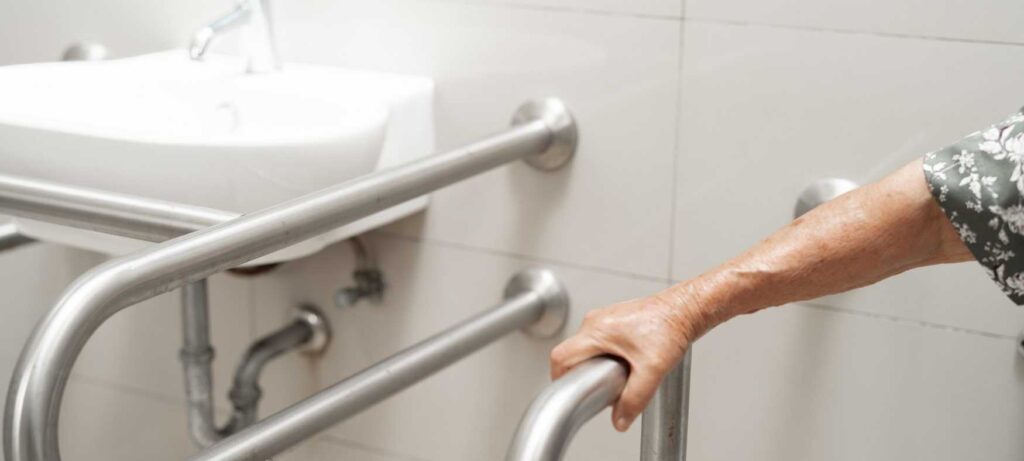
The bathroom carries some of the highest fall risk in the entire home, largely because of wet, hard surfaces.
Keep:
- Grab bars near the toilet, shower, and tub
- A non-slip mat inside the tub or shower and a non-skid bath mat on the floor
- A shower chair or bench, if standing for long periods is tiring
- Nightlights for visibility during nighttime visits
Eliminate:
- Bath mats without a rubber, non-slip backing
- Clutter on the bathroom floor, including scales, hampers, and trash cans in the walking path
- Old or unused medications, cosmetics, and toiletries that are just taking up cabinet space (dispose of expired medications properly, ideally through a pharmacy take-back program)
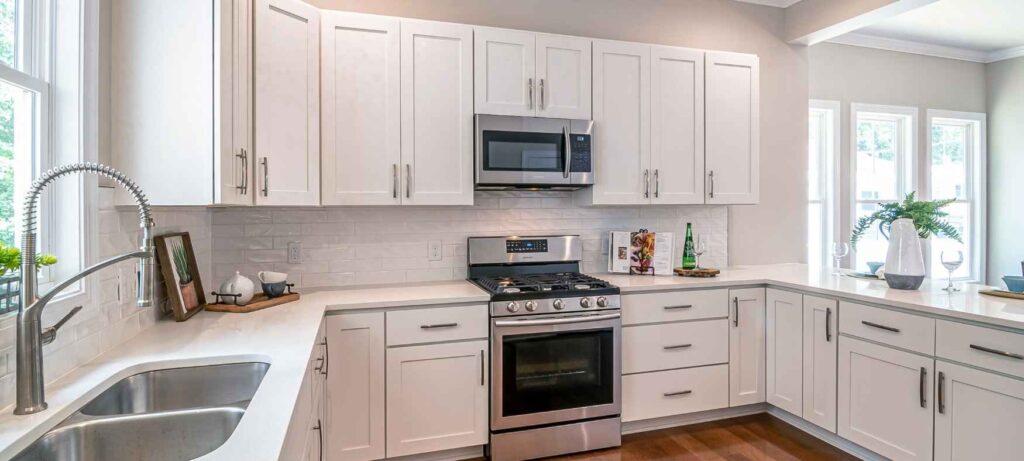
Kitchen: Keep What’s Used Weekly, Let Go of the Rest
Keep:
- Everyday dishes, pots, and utensils stored at waist-to-shoulder height, not up high or down low
- A sturdy step stool with a handrail, only if reaching high shelves is unavoidable
- Good task lighting over counters and the stove
Eliminate:
- Duplicate gadgets, extra sets of dishes, or appliances that haven’t been used in over a year
- Heavy items stored on high shelves
- Slippery throw rugs near the sink or stove
- Cluttered countertops that make food prep cramped and rushed
Hallways & Stairs: Keep It Clear, Remove Anything That Blocks the Path
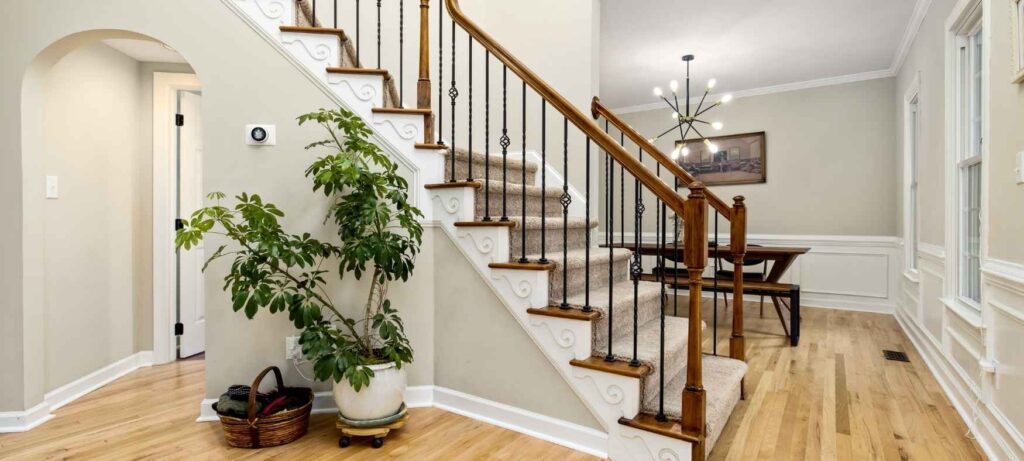
Keep:
- Handrails on both sides of any staircase
- Light switches at both the top and bottom of stairs
- Non-slip treads on bare wood or tile steps
Eliminate:
- Boxes, laundry baskets, or furniture stored in hallways
- Anything left sitting on stairs, even temporarily
- Loose carpet or rugs on stair landings
Documents & Paperwork: Keep the Essentials Organized, Shred the Rest

Downsizing isn’t only physical — paper clutter builds up too, and losing track of essential documents can create real stress.
Keep, in one secure, accessible folder or file box:
- Medical records and a current medication list
- Birth certificate, passport, and Social Security card
- Insurance policies and financial account information
- A list of emergency contacts
Eliminate:
- Outdated bills, expired warranties, and old statements (shred anything with personal information rather than tossing it directly)
- Duplicate paperwork
- Old catalogs, mailers, and unopened junk mail
Sentimental Items: Keep What Brings Joy, Let Go of Guilt
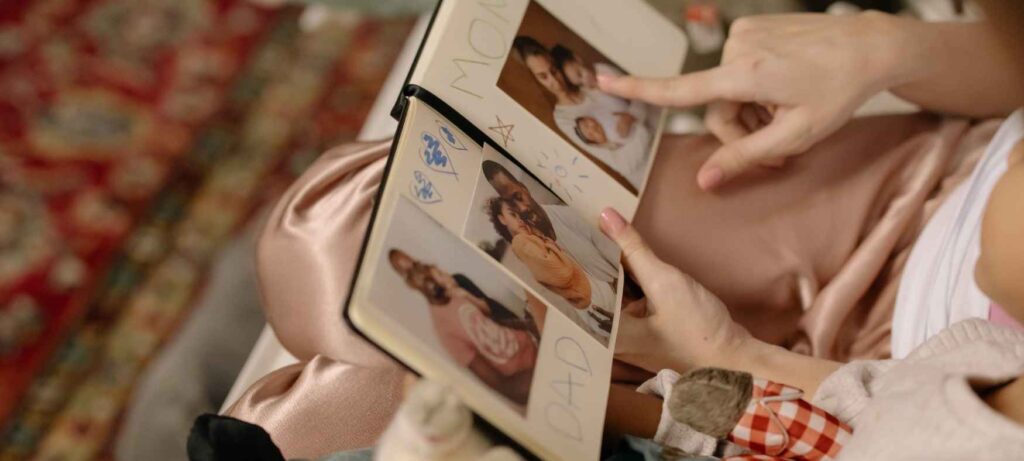
This is often the hardest category, and it deserves patience rather than pressure. A helpful approach is to keep a smaller, meaningful selection — a few photographs, one or two treasured pieces — rather than an entire collection kept purely out of obligation. Photographing sentimental items before letting them go can preserve the memory without keeping the physical clutter. There’s no need to decide everything in one day; a little progress at a time is enough.
A Simple Way to Decide
When in doubt about any single item, ask:
- Have I used this in the past year?
- Does keeping it make my home safer and easier to move through, or harder?
- Would a friend or family member trip over it, struggle to lift it, or need to climb for it?
If an item fails more than one of these, it’s likely a candidate to donate, store elsewhere, or let go of entirely.
The Bottom Line
A safer home for seniors isn’t a bare or impersonal one — it’s a thoughtful one. Keeping the items that support daily comfort and independence, while removing the clutter and hazards that quietly increase fall risk, allows seniors to age in place with more confidence and far less worry. Small, steady changes — room by room, drawer by drawer — add up to a home that works with you, not against you.
Disclaimer: This article is provided for general informational and educational purposes only and does not constitute medical, legal, financial, or professional home-safety advice. It is not a substitute for a personalized in-home safety assessment conducted by a qualified occupational therapist, physician, contractor, or other licensed professional. Every home and individual’s needs differ, and readers should consult with appropriate professionals before making significant changes to their living space, discarding important documents or medications, or altering their home for safety or accessibility purposes. The author and publisher assume no liability for any injury, loss, or damage arising from the use of, or reliance on, the information provided in this article.
Disclaimer
This article is for informational purposes only and does not constitute medical, legal, or financial advice. Individual needs vary widely. Always consult with qualified healthcare providers, licensed financial advisors, or elder care professionals before making decisions regarding senior living arrangements.

10 Body Changes After 60 Worth Discussing With Your Doctor
Download these helpful checklists to guide you through your buying and selling journey.Home Buyer's ChecklistHome Seller's ChecklistMistakes To Avoid

Morning Headaches in Seniors: 9 Causes, Warning Signs and What to Do
Download these helpful checklists to guide you through your buying and selling journey.Home Buyer's ChecklistHome Seller's ChecklistMistakes To Avoid

Sudden Weight Gain From Fluid Retention: Causes, Warning Signs & What to Do
Download these helpful checklists to guide you through your buying and selling journey.Home Buyer's ChecklistHome Seller's ChecklistMistakes To Avoid
Download these helpful checklists to guide you through your buying and selling journey.

Home Buyer’s Checklist

Home Seller’s Checklist
Mistakes To Avoid