
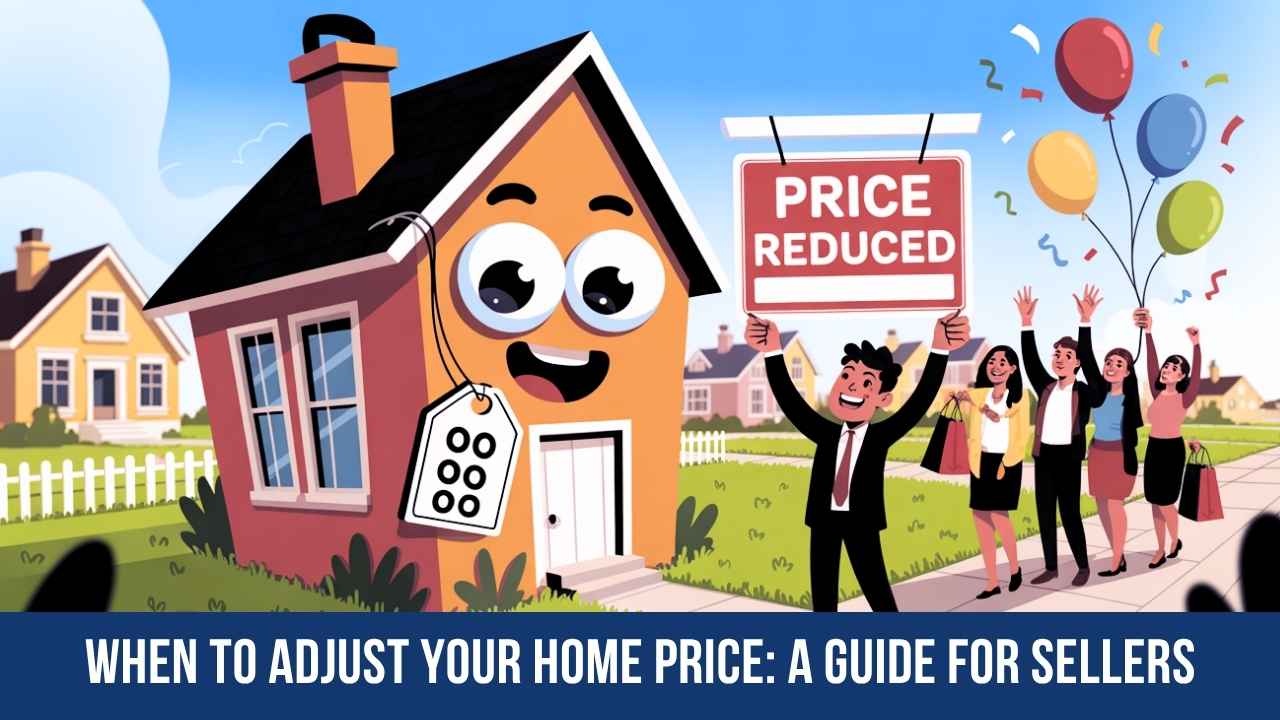

Pricing your home correctly is one of the most important decisions you’ll make when selling. A well-priced home attracts buyers quickly, while an overpriced home can sit on the market, becoming less appealing over time.
If you’re wondering whether it’s time to adjust your price, here are clear, factual signs that may indicate it’s time to reconsider your strategy.
1. Your Home Has Been Sitting Too Long
In many North American markets, homes typically generate the most interest within the first 2–3 weeks. If your home has been on the market for 30 days or longer with little activity, it may signal that buyers think the price is too high.
The longer your home sits, the more buyers begin to question what’s wrong—even if nothing is.
2. You’re Getting Showings but No Offers
This is one of the clearest indicators that your price may be too high.
If buyers are touring your home but not making offers, they likely:
- Like the home
- But don’t see enough value at the current price
Buyers compare your home with similar listings. If yours is priced higher without clear justification, they may move on.
3. Limited Online Interest
Most buyers start their home search online. If you’re seeing:
- Low listing views
- Few saves
- Minimal inquiries
Your price may not be competitive in search filters. Many buyers search within price brackets, and your home might be missing key visibility.
4. Comparable Homes Are Selling — But Yours Isn’t
If similar homes in your area are selling faster, it’s time to review:
- Square footage
- Condition
- Location
- Features
- Pricing
Buyers naturally gravitate toward the best value. If comparable homes sell first, price could be the deciding factor.
5. Your Listing Has Gone “Stale”
When a listing stays on the market too long, it can develop a stale listing effect. Buyers may assume:
- Something is wrong
- The seller isn’t motivated
- There’s room for aggressive negotiation
A strategic price adjustment can refresh buyer interest.
6. Feedback from Showings Suggests Pricing Concerns
Pay attention to feedback from agents and buyers. If you hear:
- “Priced too high”
- “Better value elsewhere”
- “Needs price adjustment”
These comments often reflect broader market sentiment.
7. Market Conditions Have Changed
Interest rates, inventory levels, and seasonal shifts can impact buyer demand. If:
- Interest rates rise
- More homes hit the market
- Buyer demand slows
You may need to adjust your pricing strategy to stay competitive.
The Bottom Line
Adjusting your price isn’t a failure—it’s a strategic move. A well-timed price adjustment can:
- Attract new buyers
- Generate offers
- Reduce time on market
- Help maximize your final sale price
Sometimes, pricing correctly now helps you net more money in the long run.
Disclaimer
This article is for informational purposes only and should not be considered financial, legal, or real estate advice. Real estate markets vary by location, and individual circumstances differ. Sellers should consult with a licensed real estate professional, financial advisor, or legal professional before making pricing decisions.
Download these helpful checklists to guide you through your buying and selling journey.

Home Buyer’s Checklist

Home Seller’s Checklist

Mistakes To Avoid

10 Body Changes After 60 Worth Discussing With Your Doctor
Download these helpful checklists to guide you through your buying and selling journey.Home Buyer's ChecklistHome Seller's ChecklistMistakes To Avoid

Morning Headaches in Seniors: 9 Causes, Warning Signs and What to Do
Download these helpful checklists to guide you through your buying and selling journey.Home Buyer's ChecklistHome Seller's ChecklistMistakes To Avoid

Sudden Weight Gain From Fluid Retention: Causes, Warning Signs & What to Do
Download these helpful checklists to guide you through your buying and selling journey.Home Buyer's ChecklistHome Seller's ChecklistMistakes To Avoid