
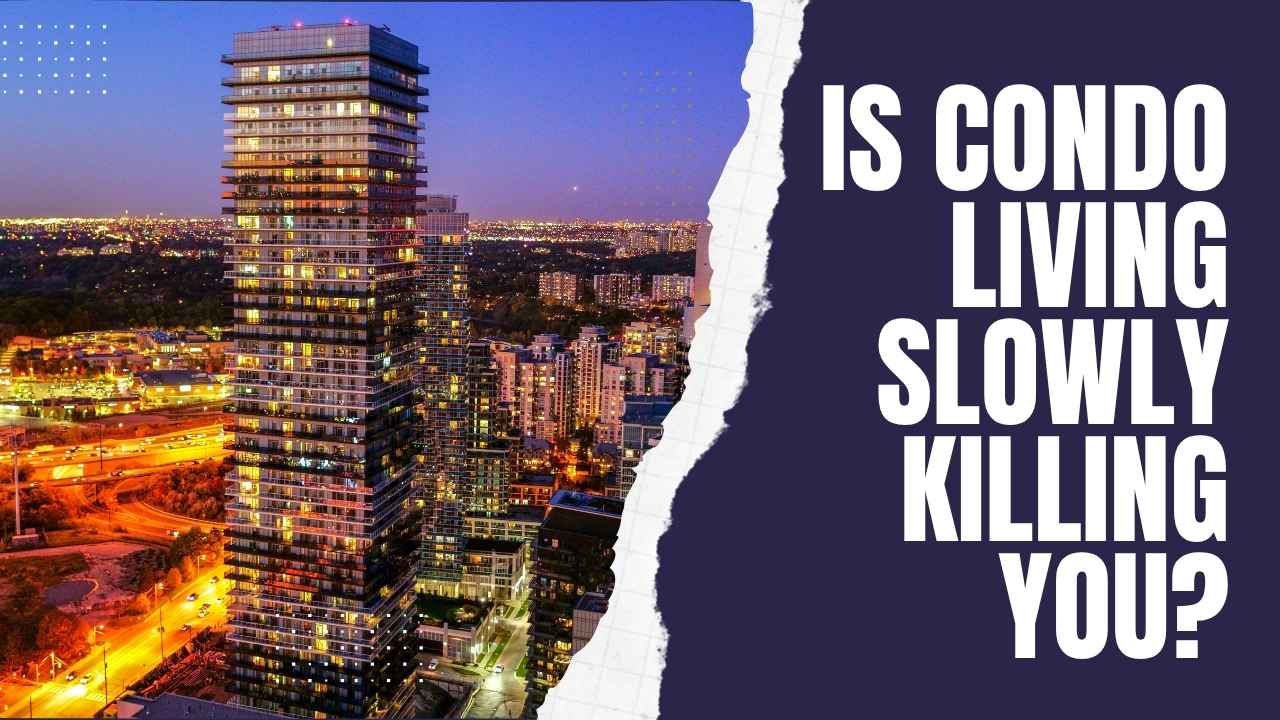

When I was still practicing cardiology, I used to think of “stress” as something that only came from long hospital shifts, traffic jams, or difficult patients. Then I moved into a condo.
Don’t get me wrong—condo life has its perks: convenience, security, and the luxury of walking just a few steps to the gym or pool. But over the years, I’ve seen patterns—both in my own health and my patients’. And it made me ask a serious question: Is condo living slowly killing us?
Let’s talk about it.
🧠 1. The Stress of Small Spaces
Living in a condo can feel cozy—or claustrophobic. Studies show that smaller living spaces increase stress hormones like cortisol, especially when you can’t find personal space or peace.
When you’re surrounded by walls (and sometimes noisy neighbors), your brain can’t fully “turn off.” That chronic background tension? It raises your blood pressure.
If you’ve ever felt your heart race when someone upstairs drags furniture across the floor—you know what I mean.
🌇 2. The Air You Breathe Isn’t Always Healthy
Here’s a fact most people overlook: condos can have poor air circulation. Pollutants, cooking fumes, and off-gassing from furniture or building materials can linger longer than in single-family homes.
If you live in a high-rise in the city, you’re also breathing in fine particulate matter from traffic below—linked directly to heart disease and strokes.
A good HEPA air purifier and some green plants can help—but they can’t fully replace fresh outdoor air.
🚶 3. The “Elevator Lifestyle” Problem
Condo life often means convenience, but convenience can be dangerous. We take elevators instead of stairs, order food deliveries instead of walking, and drive to work instead of commuting by foot.
Sedentary living is one of the leading risk factors for cardiovascular disease.
I had a patient who lived on the 20th floor and hadn’t taken the stairs in five years. His heart? Not as efficient as it could’ve been.
😴 4. The Hidden Toll of Noise and Light
Even when you’re in your unit, you’re rarely in true silence. The hum of the AC, traffic noise from outside, the glow of city lights at night—these all disrupt your body’s natural rhythm.
Chronic exposure to noise increases heart rate and stress hormones during sleep, leading to higher risks of hypertension and heart attacks.
Blackout curtains and soundproofing help, but if your body never fully rests, your heart doesn’t either.
🧍♀️ 5. The Loneliness Paradox
It’s ironic—condos are built to bring people closer, yet many residents feel isolated. You might see dozens of faces in the elevator each day and never know a single name.
Loneliness increases the risk of heart disease as much as smoking 15 cigarettes a day.
If your social life has been reduced to waving at neighbors through the mailroom door, your heart might be missing more than just exercise—it’s missing connection.
💡 So What’s the Solution?
I’m not saying you should sell your condo tomorrow and move to the countryside. (Although some people do and swear it changed their life.)
What I am saying is that condo living requires balance. You have to create your own micro-environment of health.
-
Open your windows daily for at least 15 minutes of fresh air. 🌬️
-
Walk to nearby shops instead of always driving. 🚶
-
Build real relationships with neighbors—community heals hearts. ❤️
-
Take “noise vacations”: a day trip to somewhere quiet. 🌿
-
And for goodness’ sake—take the stairs once in a while. 🪜
❤️ Final Thoughts
Condo living isn’t the villain. It’s how we live within it that matters.
As someone who’s been both a cardiologist and a realtor, I’ve seen that where we live shapes not just our lifestyle—but our lifespan.
So before you renew that condo lease or buy that penthouse, ask yourself:
Is your home giving you peace, or just convenience?
Because your heart deserves more than comfort—it deserves space to breathe. 🫶
10 Body Changes After 60 Worth Discussing With Your Doctor
Download these helpful checklists to guide you through your buying and selling journey.Home Buyer's ChecklistHome Seller's ChecklistMistakes To Avoid
Morning Headaches in Seniors: 9 Causes, Warning Signs and What to Do
Download these helpful checklists to guide you through your buying and selling journey.Home Buyer's ChecklistHome Seller's ChecklistMistakes To Avoid
Sudden Weight Gain From Fluid Retention: Causes, Warning Signs & What to Do
Download these helpful checklists to guide you through your buying and selling journey.Home Buyer's ChecklistHome Seller's ChecklistMistakes To Avoid

Drug Interactions and Heart Rate: Medications That Can Speed Up or Slow Down Your Heartbeat
Download these helpful checklists to guide you through your buying and selling journey.Home Buyer's ChecklistHome Seller's ChecklistMistakes To Avoid
Fatigue After Minor Exertion in Seniors: Normal Aging or Warning Sign?
Download these helpful checklists to guide you through your buying and selling journey.Home Buyer's ChecklistHome Seller's ChecklistMistakes To Avoid