
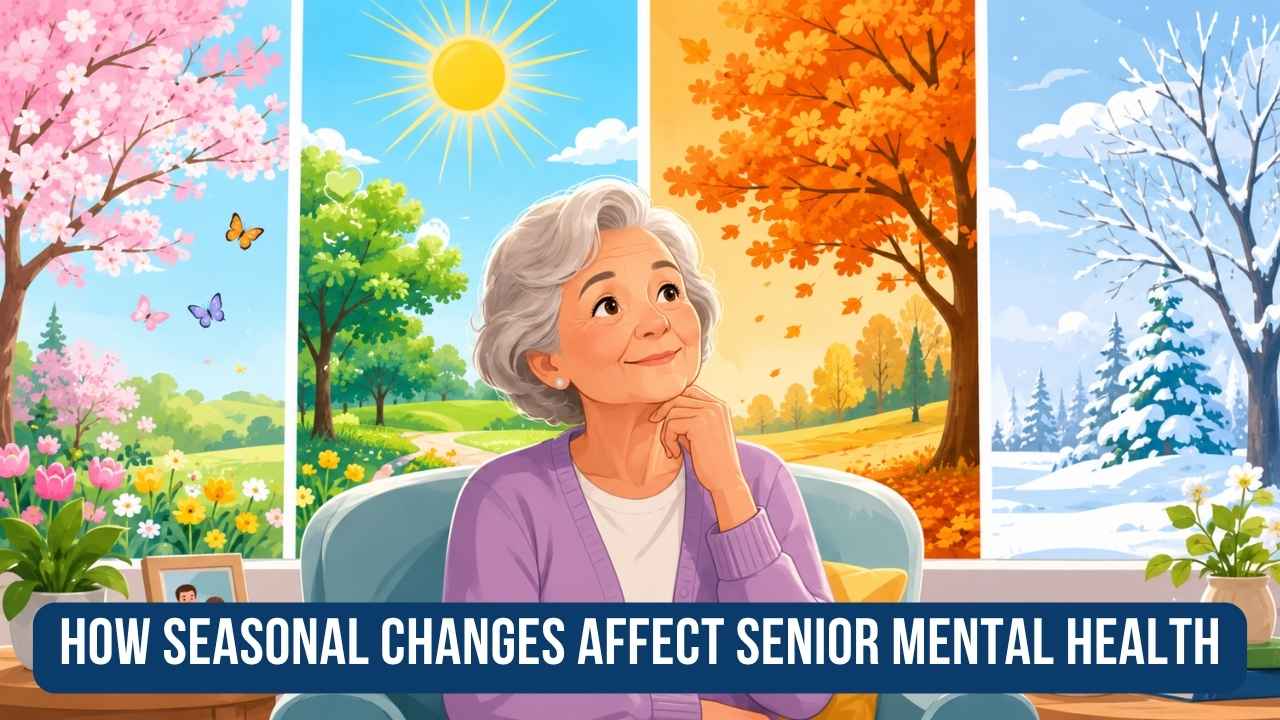

As the seasons change, many older adults experience noticeable emotional and mental shifts. Shorter daylight hours, colder temperatures, extreme heat, and social isolation can significantly affect a senior’s mood, sleep, energy, and overall quality of life.
While many people experience “seasonal blues,” seniors may be more vulnerable due to health conditions, reduced mobility, retirement, loss of loved ones, or living alone. Understanding these seasonal effects can help families create safer, healthier, and more supportive living environments for aging loved ones.
1. Reduced Sunlight Can Increase Depression Symptoms
During fall and winter months, reduced sunlight may affect serotonin and melatonin levels in the brain. This can contribute to sadness, fatigue, irritability, and low motivation. Some seniors may experience Seasonal Affective Disorder (SAD), a form of depression linked to seasonal changes.
Common signs include:
- Sleeping more than usual
- Loss of interest in hobbies
- Low energy
- Increased isolation
- Changes in appetite
Wellness Solution
Encourage seniors to:
- Spend time near natural sunlight
- Open curtains during daytime
- Take short morning walks
- Use bright indoor lighting
- Maintain regular sleep schedules


2. Seasonal Isolation Can Increase Loneliness
Bad weather, snow, heavy rain, or extreme heat may reduce social activity. Seniors living alone may go days without meaningful interaction, increasing feelings of loneliness and emotional distress.
Research continues to show that social isolation in older adults is associated with increased risks of depression, anxiety, memory decline, and physical health problems.
Wellness Solution
Helpful ways to reduce isolation include:
- Scheduling regular family calls
- Joining senior activity groups
- Participating in community events
- Encouraging hobbies and routines
- Using video calls for social connection


3. Seasonal Changes Can Disrupt Sleep Patterns
Changes in daylight and weather can affect circadian rhythms, especially in older adults. Seniors may experience insomnia, daytime fatigue, or irregular sleep schedules during seasonal transitions.
Poor sleep may contribute to:
- Increased anxiety
- Irritability
- Reduced memory function
- Lower energy levels
- Higher fall risk
Wellness Solution
To improve sleep quality:
- Keep consistent bedtime routines
- Avoid excessive daytime naps
- Reduce screen time before bed
- Keep bedrooms cool and comfortable
- Increase daytime physical activity


4. Extreme Temperatures Can Increase Stress and Anxiety
Very hot summers or freezing winters may create anxiety for seniors concerned about safety, medical conditions, mobility, or utility costs. Some older adults may avoid going outside completely, leading to inactivity and emotional strain.
Extreme temperatures may also worsen:
- Heart conditions
- Arthritis pain
- Respiratory illnesses
- Fatigue and dehydration
Wellness Solution
Families can help by:
- Checking on seniors regularly
- Ensuring safe indoor temperatures
- Encouraging hydration
- Preparing emergency supplies
- Making homes easier and safer to navigate


5. Seasonal Routines Can Improve Mental Wellness
Creating healthy seasonal routines can give seniors structure, purpose, and emotional stability. Even simple activities can improve mood and reduce feelings of uncertainty.
Positive seasonal activities may include:
- Indoor exercise
- Gardening
- Holiday decorating
- Journaling
- Listening to music
- Reading
- Cooking healthy meals
Wellness Solution
Encourage routines that promote:
- Daily movement
- Social interaction
- Mental stimulation
- Relaxation
- Consistency


Final Thoughts
Seasonal changes affect more than just the weather — they can also influence a senior’s emotional wellness, sleep, social habits, and overall mental health. Recognizing these changes early allows families and caregivers to create safer, more supportive environments that help older adults maintain independence and quality of life throughout the year.
Small lifestyle adjustments, stronger social connections, and safe home environments can make a major difference in helping seniors stay emotionally healthy during every season.
Disclaimer
This article is for informational and educational purposes only and should not be considered medical, psychological, or professional healthcare advice. Always consult a licensed physician, mental health professional, or qualified healthcare provider regarding concerns about depression, anxiety, cognitive decline, or any medical condition affecting older adults. Individual situations and health needs may vary.

10 Body Changes After 60 Worth Discussing With Your Doctor
Download these helpful checklists to guide you through your buying and selling journey.Home Buyer's ChecklistHome Seller's ChecklistMistakes To Avoid
Morning Headaches in Seniors: 9 Causes, Warning Signs and What to Do
Download these helpful checklists to guide you through your buying and selling journey.Home Buyer's ChecklistHome Seller's ChecklistMistakes To Avoid
Sudden Weight Gain From Fluid Retention: Causes, Warning Signs & What to Do
Download these helpful checklists to guide you through your buying and selling journey.Home Buyer's ChecklistHome Seller's ChecklistMistakes To Avoid
Download these helpful checklists to guide you through your buying and selling journey.

Home Buyer’s Checklist

Home Seller’s Checklist

Mistakes To Avoid